













The escalating military confrontation between the United States and Israel against Iran has triggered a full-scale global energy crisis, sending shockwaves through gas markets, oil benchmarks and maritime trade routes. What began as coordinated operations—Operation Epic Fury (United States) and Operation Roaring Lion (Israel)—has evolved into a destabilizing force affecting consumers from Europe to Asia.
Below is a detailed breakdown of the economic and energy fallout as of Day 4 of the conflict.
Qatar LNG Halt Sends Shockwaves Through Global Gas Markets
In a dramatic development, QatarEnergy—the world’s largest exporter of liquefied natural gas (LNG)—declared force majeure and suspended production operations on Monday.
Cause of Disruption
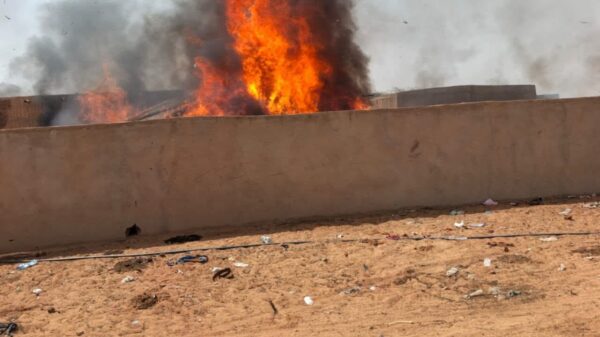
Iranian drone strikes reportedly targeted critical infrastructure in Mesaieed Industrial City and Ras Laffan Industrial City, damaging a water tank linked to a power generation facility and an associated energy installation. The sites are central to Qatar’s LNG export operations.
Global Impact
Qatar accounts for roughly 20 percent of global LNG supply. The sudden outage triggered extraordinary volatility in European gas markets. The Dutch Title Transfer Facility (TTF)—Europe’s benchmark gas contract—surged more than 33 percent in a single trading session after rising 40 percent the previous day.
Energy traders described the back-to-back spikes as among the sharpest short-term increases in recent history, raising concerns over heating costs, electricity pricing and industrial output across Europe.
India and Asia Face Acute Supply Pressure
Asia’s energy-importing economies are among the hardest hit by the Qatari production halt.
India’s Industrial Gas Cuts
India, the world’s fourth-largest LNG importer, has begun rationing supply. State-owned firms, including GAIL and Indian Oil Corporation, reduced gas allocations to industrial consumers by between 10 and 30 percent.
Fertilizer production, petrochemicals and city gas distribution networks are among the sectors most affected, raising concerns about downstream inflationary pressures.
Spot Market Volatility
Indian buyers are attempting to secure alternative cargoes on the spot market. However, freight rates and war-risk insurance premiums have climbed sharply amid heightened Gulf instability. Traders warn replacement cargoes are scarce and prohibitively expensive in the near term.
Across Asia, governments are monitoring strategic reserves while utilities assess fuel-switching options where possible.
Strait of Hormuz: The Global Economic Flashpoint
The Strait of Hormuz remains the single most volatile variable influencing global markets.
Naval Engagements
According to United States Central Command, U.S. naval forces have sunk at least 11 Iranian vessels in operations aimed at preventing a maritime blockade. Despite the show of force, shipping risks remain elevated.
Commercial Shipping Damage
At least three commercial oil tankers reportedly sustained damage in retaliatory strikes. Insurance underwriters responded by imposing record-high war-risk premiums for vessels transiting the Gulf.
With roughly one-fifth of global oil supply moving through the Strait, even limited disruption carries immediate price implications. Brent crude is trending toward historic highs, compounding inflationary pressures already building in gas markets.
Broader Conflict Snapshot Day 4
Energy Critical: Qatari LNG halt; Brent crude nearing record levels.
Military Active: More than 2,000 strikes reported; Iranian air defenses significantly degraded.
Political Unstable: Ali Khamenei confirmed killed; interim governing council formed in Tehran.
Humanitarian Severe: 165 reported killed in Minab school strike; displacement intensifies in southern Lebanon.
Political Outlook
U.S. President Donald Trump reiterated that although operations were initially projected to last four to five weeks, the United States retains the capacity to continue significantly longer if required to dismantle Iran’s nuclear and missile capabilities.
Diplomatic channels remain strained, with no immediate indication of de-escalation efforts gaining momentum.
Global Economic Implications
Inflation Risk: Rising LNG and crude prices are likely to accelerate inflation across energy-importing economies.
Industrial Disruption: Gas rationing may constrain manufacturing output in Asia and Europe.
Financial Market Volatility: Energy equities have surged, while transport, airline and heavy industry stocks face mounting pressure.
Shipping & Insurance: Maritime insurance premiums in the Gulf have reached unprecedented levels, further increasing delivered energy costs.
Outlook
Energy analysts warn that unless Qatari production resumes or maritime security stabilizes, global markets could face sustained volatility. The Strait of Hormuz remains the decisive variable, with even minor escalation capable of triggering disproportionate economic consequences.
As the conflict moves into its fifth day, the intersection of military operations and energy infrastructure underscores that this is no longer solely a regional war it is a global economic event.