












The regional conflict has entered a pivotal phase as direct attacks on critical energy infrastructure mark a significant escalation threatening global energy markets and reshaping regional security dynamics.
The shift followed a strike on a major gas field in southern Iran one of the largest reserves in the world signaling a transition from conventional military operations to economic warfare targeting key revenue sources.
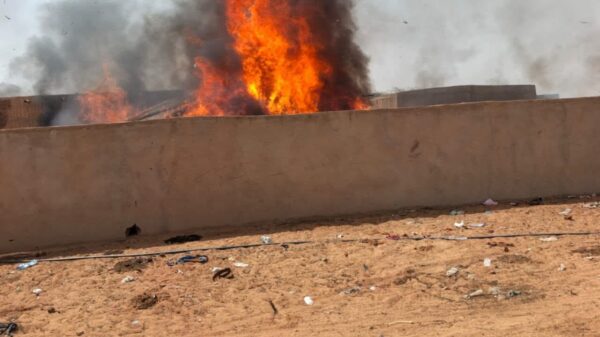
The attack triggered fires at processing facilities and caused partial disruption to production raising immediate concerns about global supply stability.
Iran responded with coordinated strikes targeting energy facilities across multiple Gulf states including major liquefied natural gas infrastructure resulting in significant damage and operational disruptions.
Additional attacks hit gas processing sites and refinery related facilities indicating a broader strategy aimed at disrupting energy flows across several fronts simultaneously.
Diplomatic tensions escalated sharply with a Gulf state expelling Iranian affiliated officials and describing the strike as a direct threat to its sovereignty.
The United States issued strong warnings against further attacks on Gulf energy infrastructure signaling readiness for a large scale response if new red lines are crossed.
Global markets reacted immediately with oil prices surging amid fears of prolonged supply disruption particularly around key maritime routes.
Shipping and aviation sectors were also affected with flight rerouting and transport disruptions due to rising security risks.
Analysts say targeting energy infrastructure represents a structural shift toward sustained economic attrition rather than short term military engagement.
Observers warn that continued escalation could trigger prolonged instability in global energy markets with broader implications for inflation trade and geopolitical alliances.