











The global energy crisis is intensifying as prospects for a diplomatic resolution to the ongoing conflict continue to fade raising fears of prolonged disruption to oil supply routes.
Official positions from both sides suggest increasing rigidity reducing the likelihood of near term de escalation.
At the center of the crisis the Strait of Hormuz has seen a sharp decline in shipping activity severely restricting global oil flows.
Oil prices have risen significantly with analysts warning of further increases if supply disruptions persist.
Several countries have begun fuel rationing while others are releasing strategic reserves to stabilize domestic supply.
Financial markets particularly in Asia have reacted negatively reflecting concerns over energy security and economic slowdown.
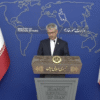
Diplomatic efforts remain stalled with indirect communication failing to produce meaningful progress.
At the same time concerns are growing over nuclear safety after strikes near sensitive facilities prompting international warnings.
The humanitarian impact is also expanding with damage to civilian infrastructure including schools and medical facilities.
Analysts warn that prolonged disruption could increase inflation and strain global supply chains.
With diplomacy stalled the risk of further escalation remains high.
The coming days are expected to determine whether the crisis can be contained or worsens further.