













The humanitarian situation in Gaza has reached a critical stage as severe border restrictions and the wider regional conflict continue to disrupt food supplies and essential services, according to the United Nations and several humanitarian organizations.
Aid agencies warn that the limited progress achieved in stabilizing food security in recent months is rapidly unraveling, raising fears that the enclave could again approach famine conditions if humanitarian access does not improve.
Border crossings into Gaza are currently operating far below the level required to meet the basic needs of the population.
The main commercial crossing through which most aid enters recently resumed limited operations after a complete shutdown. However United Nations reports indicate that only about 200 aid trucks per day are currently entering the territory.
Humanitarian officials say that Gaza requires roughly 600 trucks daily to meet the basic needs of its residents.
At the same time another critical crossing remains largely closed, sharply limiting the entry of humanitarian assistance and preventing medical evacuations.
Relief agencies report that thousands of patients and wounded individuals, including many children, urgently need to be transported outside Gaza for treatment but remain unable to leave.
Fuel shortages have further compounded the crisis.
Fuel shipments were halted for several days, forcing humanitarian organizations to ration their supplies.
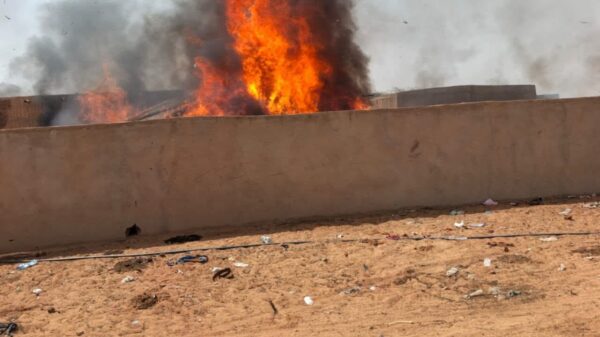
As a result essential municipal services have been significantly reduced. Waste collection has been suspended in several areas while water production facilities are operating at limited capacity, raising concerns about sanitation and public health.
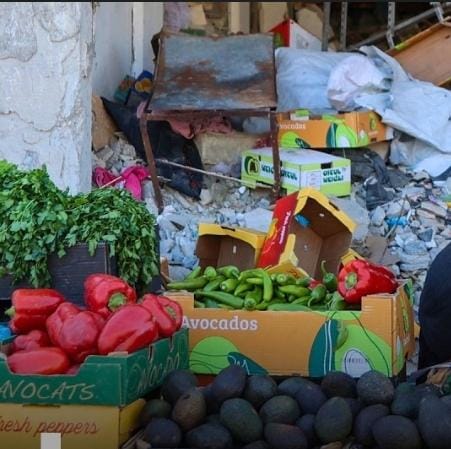
Local markets are also experiencing severe shortages as residents rush to purchase the remaining food supplies.
Prices of fresh produce have surged sharply within a short period due to rising demand and dwindling availability.
Local commercial estimates suggest that many vendors now have only a few days of food stock remaining.
Staple items such as flour cooking oil and canned goods are becoming increasingly difficult to find.
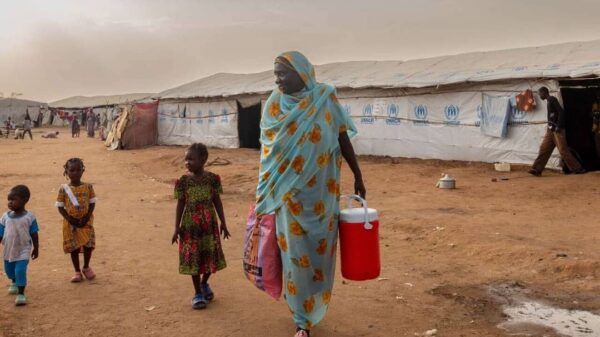
Despite these pressures humanitarian programs continue to provide limited food support.
Bakeries supported by the World Food Programme are still producing thousands of bread bundles each day to provide a basic food source for residents.
A large portion of these supplies is sold at subsidized prices to help families cope with rising food costs.
Food security analysts warn that the situation could deteriorate rapidly if humanitarian access does not expand.
Humanitarian assessments indicate that tens of thousands of children may suffer from acute malnutrition if current food supply restrictions persist.
The World Food Programme has also warned that it may soon be forced to reduce food rations for a large portion of Gaza’s population if humanitarian corridors are not expanded.
Aid organizations say the worsening conditions are also linked to the broader regional conflict that has disrupted supply chains across the Middle East and further complicated humanitarian access to Gaza.
Humanitarian agencies continue to call for expanded aid corridors increased fuel deliveries and the reopening of key border crossings in order to prevent a catastrophic deterioration in food security.