











The regional conflict has entered its third week with a dangerous escalation targeting critical energy infrastructure across the Gulf leading to major disruptions in global markets and worsening humanitarian conditions.
Recent days have seen repeated strikes on oil and gas facilities as retaliatory operations expand the conflict into key economic assets.
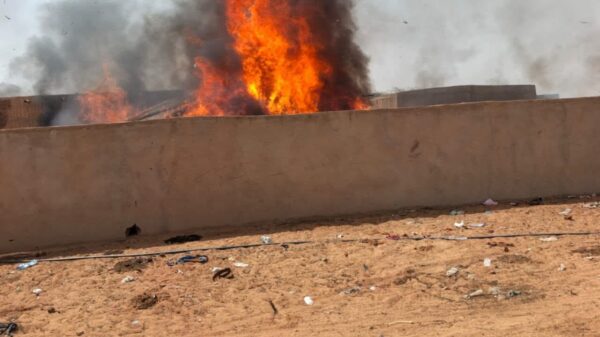
In Kuwait a major refinery was struck by drones for a second consecutive day causing fires and partial shutdowns without reported casualties according to officials.
In Qatar a missile strike caused extensive damage to a key liquefied natural gas facility with repairs expected to take years significantly impacting global energy supply.
Tensions have also intensified around a major maritime corridor where military activity has effectively disrupted commercial shipping while efforts are underway to restore access.
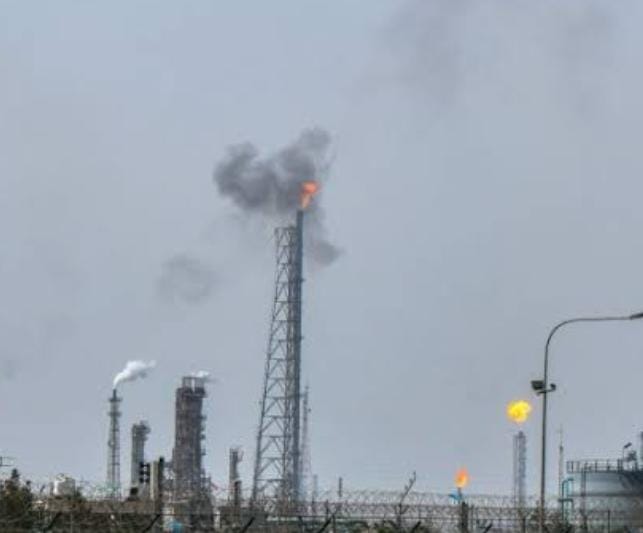
In Israel a major refinery complex was hit by a missile strike raising concerns about domestic fuel supply stability.
Military losses continue to mount across multiple actors with casualties reported since the start of hostilities.
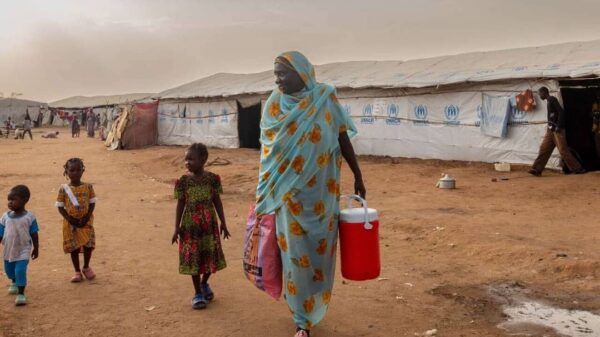
Humanitarian conditions are deteriorating sharply with rising death tolls and mass displacement particularly in Lebanon where more than one million people have been forced from their homes while other areas face worsening shortages.
Global markets have reacted with oil prices surging amid fears of prolonged supply disruptions with potential consequences for inflation and economic growth.
Analysts warn that continued targeting of energy infrastructure and shipping routes could prolong and complicate the crisis in the absence of de escalation.
With military operations intensifying and diplomatic efforts limited the situation remains highly volatile with global implications.