










The escalating conflict involving the United States, Israel and Iran has entered a deeply troubling phase as strikes reported across several areas have damaged civilian infrastructure, including schools and medical facilities, intensifying concerns about the humanitarian consequences of the war.
Reports from Iranian sources and international monitoring organizations indicate that missile strikes have struck multiple locations linked to civilian life, raising alarm among humanitarian agencies and prompting renewed calls for the protection of non-combatants under international law.
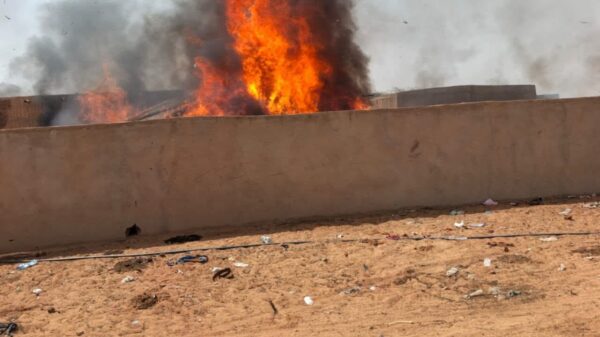
Local media reported that two schools in a town southwest of the capital were hit during recent strikes. Images circulated from the scene show classrooms reduced to rubble and surrounding residential buildings damaged by blast waves.
Emergency responders continued rescue operations amid debris and collapsed structures, while authorities have yet to release confirmed casualty figures. Local officials warned that the psychological impact on children and families could be severe, particularly in the aftermath of earlier attacks affecting educational facilities.
One of the most controversial incidents since the beginning of the conflict occurred when a strike destroyed a girls’ elementary school in a southern Iranian city during the first day of hostilities.
Iranian authorities said the attack killed 165 people, including teachers and dozens of girls between the ages of seven and twelve. The incident quickly became a symbol of the civilian toll of the war and triggered widespread international condemnation.
Officials in Washington and Tel Aviv initially denied direct responsibility for the strike. Some military sources suggested the location may have been close to a facility associated with Iran’s Islamic Revolutionary Guard Corps.
However, independent visual assessments suggested that the school was a clearly identifiable civilian structure located several hundred meters from the nearest military compound.
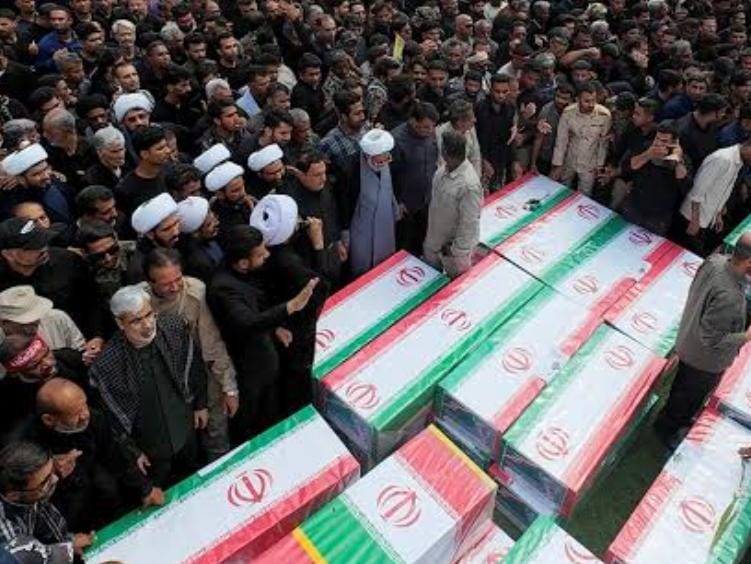
Mass funeral ceremonies for the victims were held days later, drawing large crowds of mourners amid a nationwide communications blackout that has restricted the flow of information from inside the country.
Beyond schools, several other civilian institutions have reportedly been damaged during the fighting.
Iranian authorities said a major hospital suffered structural damage during an attack earlier in the conflict and is now operating with limited capacity while emergency crews attempt to restore medical services.
In a separate operation, Israeli officials confirmed striking the headquarters of the country’s state broadcasting organization, an attack that reportedly disrupted national broadcasting and communications infrastructure.
Humanitarian organizations say the overall death toll continues to rise.
The Iranian Red Crescent has estimated that more than one thousand people have been killed since the conflict began, including both civilians and military personnel, though independent verification remains difficult.
Officials warn the number of victims could increase as search teams continue clearing debris from destroyed buildings.
The escalating violence has also triggered widespread displacement.
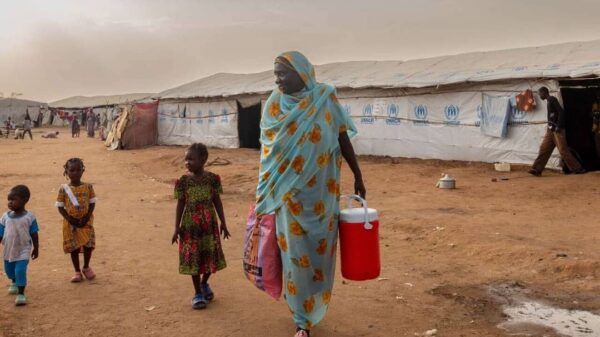
Reports indicate that thousands of residents have left major urban areas and moved toward smaller towns and rural regions in search of safety.
Humanitarian efforts have been further complicated by a near-total shutdown of internet connectivity across the country. Monitoring organizations say national connectivity levels have dropped to roughly one percent of normal capacity, forcing journalists and activists to rely on satellite imagery and limited proxy connections to share information.
International organizations have expressed growing alarm over the attacks on civilian facilities.
The Secretary-General of the United Nations warned that the conflict risks setting off a chain of events beyond global control and called for urgent diplomatic efforts to prevent further escalation.
Members of the United Nations Security Council held an emergency meeting as the United States defended its military campaign as an effort to dismantle Iran’s nuclear and missile capabilities.
Humanitarian agencies including UNESCO and the World Health Organization urged all parties to respect international humanitarian law, which grants special protection to schools, hospitals and other civilian facilities during armed conflict.
The head of the International Atomic Energy Agency also warned that military activity near nuclear facilities increases the risk of a serious safety incident, even though inspectors say no radiation leaks have been detected so far.
With communications severely restricted and rescue efforts still underway, humanitarian groups caution that the full scale of the crisis may not be known for days or weeks.
Aid organizations are calling for the establishment of humanitarian corridors and the deployment of international monitoring mechanisms to protect civilians as the conflict continues to intensify.