












More than 1,200 people have been killed across Iran since the start of the ongoing military strikes, according to health officials, as the conflict continues to place severe pressure on the country’s healthcare system and trigger environmental concerns in the capital.
Authorities said the nationwide death toll has reached 1,255 since hostilities began, with officials reporting that the victims include children and medical personnel.
Health authorities also reported more than 12,000 people injured during the strikes, many suffering severe burns, blast trauma and crush injuries caused by collapsing buildings and fires.
Officials warned that the scale of casualties is placing significant strain on emergency medical services and hospitals across the country.
Data released by national health authorities and humanitarian organizations indicate that numerous medical facilities have been damaged during the strikes.
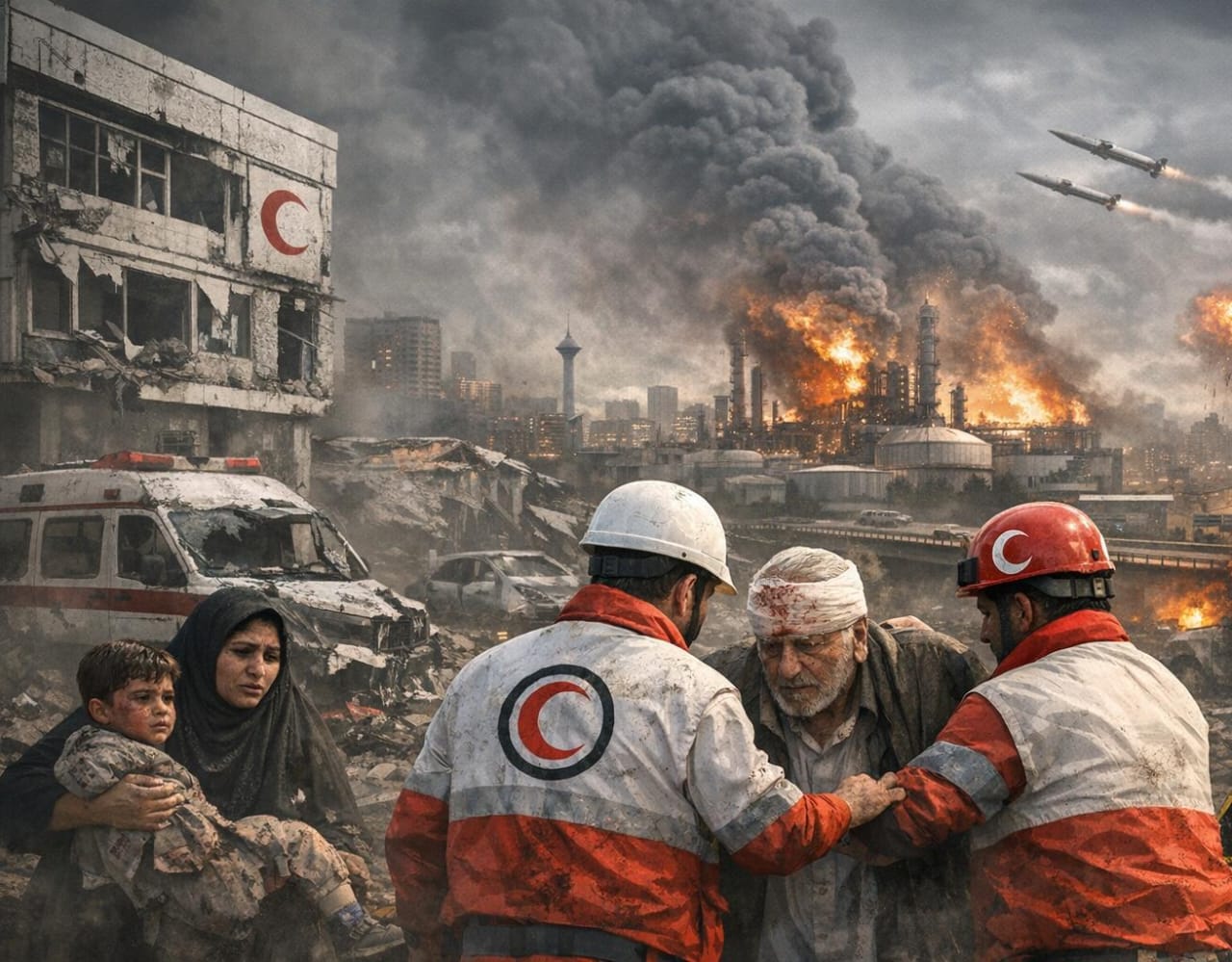
Several hospitals have been forced to suspend operations entirely, while dozens of health centers and emergency response facilities have sustained structural damage.
Emergency transport services have also been affected, with ambulances destroyed during strike incidents.
Officials said the loss of medical infrastructure is increasing pressure on the remaining operational hospitals, particularly in densely populated urban areas.
Environmental concerns have also emerged in the capital following fires at major fuel storage facilities struck during recent attacks.
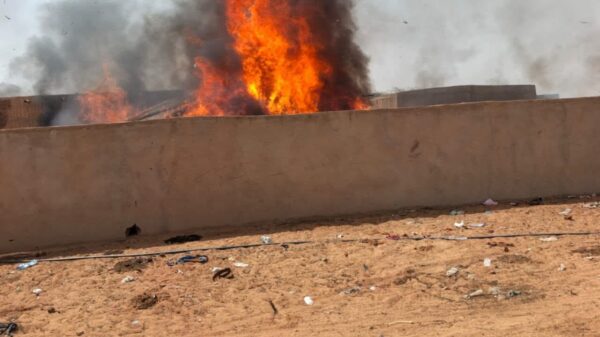
Authorities issued health advisories after large fires broke out at several fuel depots and refinery installations, sending thick smoke across parts of the city.
Officials said the fires released high concentrations of sulfur dioxide and particulate pollutants, creating a dense haze over several districts.
Residents, particularly older people and those with respiratory illnesses, were advised to remain indoors and limit exposure to the polluted air.
Meteorological authorities also warned that forecast rainfall could interact with airborne chemical pollutants, potentially producing acid rain and increasing the risk of long-term contamination of soil and water sources.
Officials said the strikes have affected hundreds of urban areas across the country since the beginning of the military campaign.
While Israeli officials say the attacks target infrastructure used to support military logistics, Iranian authorities argue that many of the impacted locations are situated near residential neighborhoods and public facilities.
Explosions were reported in several cities as the aerial campaign continued into its second week.
Analysts describe the ongoing operations as part of a large-scale military campaign aimed at weakening Iran’s strategic capabilities, though officials involved have not announced a timetable for its conclusion.
Humanitarian organizations warn that if the strikes continue and air pollution levels remain elevated, the public health impact could extend far beyond the immediate casualties and affect millions of residents in the capital and surrounding areas.