









Zimbabwe is facing a pivotal constitutional confrontation as liberation war veterans challenge proposed amendments that could extend presidential term limits and alter the method of electing the head of state.
Court challenge by war veterans
A group of war veterans, represented by constitutional law scholar Lovemore Madhuku, filed a case before the Constitutional Court contesting draft amendments approved by Cabinet on Feb. 10 and widely referred to as the “2030 agenda.”
The proposed changes could significantly reshape executive authority and the country’s political trajectory.
Core legal arguments
The applicants base their case on two principal arguments:
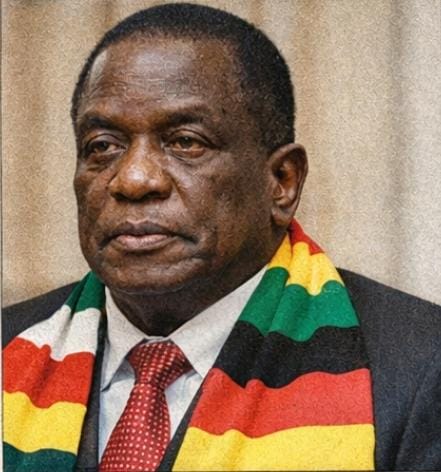
Conflict of interest: They argue that President Emmerson Mnangagwa, as the potential beneficiary of the amendments, cannot lawfully oversee or assent to changes that would extend his tenure, citing constitutional principles of impartiality and good governance.
Section 328(7): Zimbabwe’s 2013 Constitution states that any amendment extending a term limit cannot benefit an individual who held that office before the amendment. The applicants seek a declaratory order affirming that the sitting president cannot benefit from the proposed extension.
Legal analysts note that the clause was designed to prevent incumbents from altering term limits for personal advantage.
What the amendments propose
The Cabinet-approved bill includes:
- Extending the presidential term from five to seven years.
- Replacing direct popular elections with parliamentary selection of the president.
- Potentially allowing Mnangagwa, 83, to remain in office until at least 2030 instead of stepping down in 2028.
The ruling party, ZANU-PF, holds the two-thirds parliamentary majority required for constitutional amendments.
Government’s defence
Justice Minister Ziyambi Ziyambi and other officials say the reforms are necessary for political stability and continuity.
They argue the extension would facilitate completion of the national development plan known as “Vision 2030,” and that parliamentary election of the president would reduce costs and political tensions associated with nationwide polls.
Internal and external resistance
Despite its parliamentary majority, ZANU-PF faces reported internal divisions, with factions linked to Vice President Constantino Chiwenga said to be cautious about further consolidating executive power.
Opposition figures including Tendai Biti and Jameson Timba argue that amendments affecting term limits require a national referendum.
Human rights groups have reported arrests of activists protesting the proposed reforms.
What happens next
The Constitutional Court’s ruling is expected to determine whether the proposed amendments can proceed in their current form. Analysts say the outcome could redefine the balance of executive power and shape Zimbabwe’s political direction in the years ahead.