












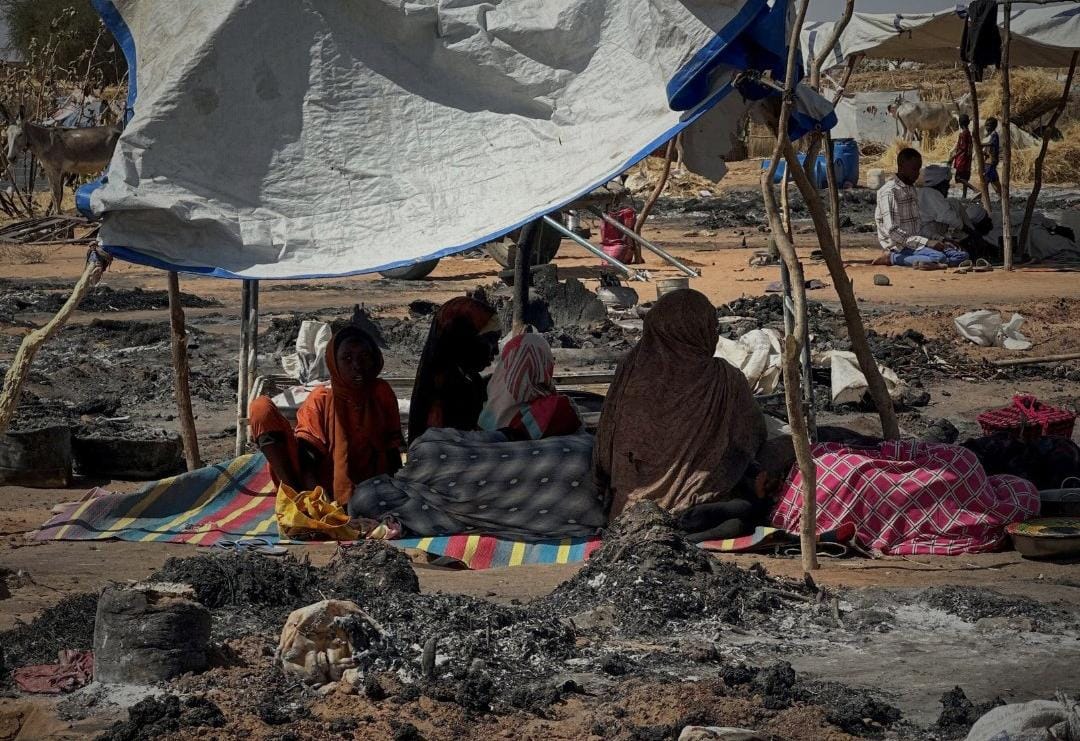
The United Nations Independent International Fact-Finding Mission for Sudan has released a landmark report concluding that atrocities committed by the Rapid Support Forces (RSF) in El-Fasher bear the “hallmarks of genocide,” according to official document A/HRC/61/77. The report documents what it describes as a systematic campaign targeting the non-Arab Zaghawa and Fur communities.
Siege and Fall of El-Fasher
The investigation focuses on the period leading to the fall of El-Fasher in late October 2025 after an 18-month siege.
According to the report, more than 6,000 civilians were killed during the first three days of the final RSF offensive (October 26–28, 2025). Approximately 4,400 were killed inside the city, while 1,600 were shot while attempting to flee.
UN experts documented the deliberate use of starvation as a weapon, with food, water, and medical supplies cut off throughout the siege to weaken the population. Only 40 percent of the city’s 260,000 residents are confirmed to have escaped alive, with tens of thousands still unaccounted for.
Evidence of Genocide
The report concludes that RSF actions meet at least three of the five legal criteria under the 1948 Genocide Convention:
- Killing members of the group: documented massacres and summary executions of non-Arab civilians.
- Causing serious bodily or mental harm: widespread torture and systematic sexual violence.
- Deliberately inflicting conditions of life calculated to bring about physical destruction: strategic starvation and destruction of communal kitchens and hospitals.
Survivor testimonies include exterminatory rhetoric from RSF fighters, including statements such as: “Is there anyone Zaghawa among you? If we find Zaghawa, we will kill them all.”
Sexual Violence as a Weapon
The mission documented coordinated sexual violence used as a weapon of war. Victims ranged from girls to women aged 7 to 70, including pregnant women subjected to gang rape, forced nudity, and whipping.
Victims were targeted based on non-Arab ethnicity and perceived political affiliation.
Humanitarian Crisis
As of February 2026, the Integrated Food Security Phase Classification (IPC) reports widespread famine conditions in North Darfur.
The conflict has intensified with the deployment of advanced drones by both the RSF and the Sudanese Armed Forces (SAF), increasing civilian casualties.
Accountability
The International Criminal Court is reportedly preparing new arrest warrants against senior RSF leaders based on the UN findings.
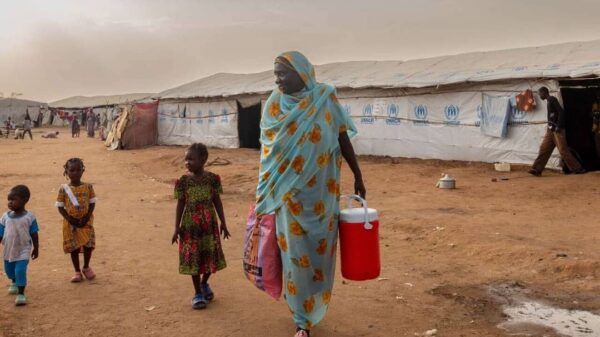
Humanitarian agencies continue cross-border operations into Chad despite severe access restrictions.
The UN report stresses the urgent need for international action to protect civilians, ensure humanitarian access, and pursue accountability for alleged war crimes and acts of genocide in Darfur.