











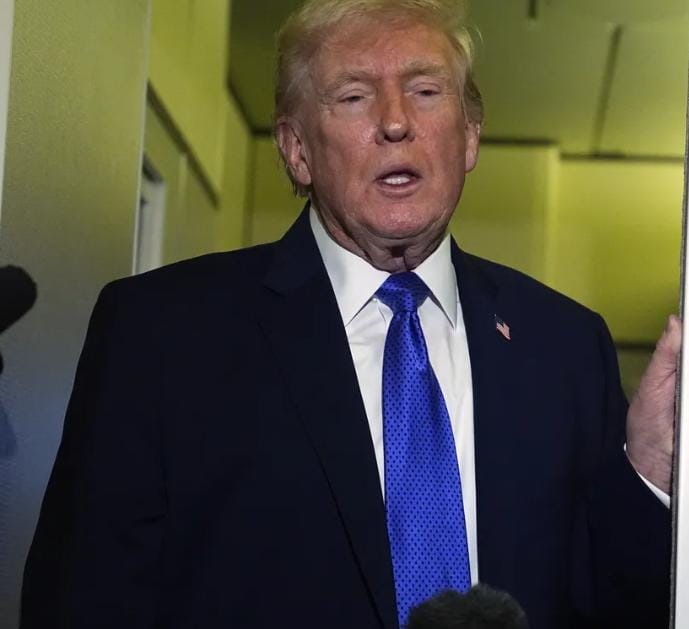
The second administration of U.S. President Donald Trump has significantly expanded a controversial immigration enforcement strategy known as the “third-country removal” programme, deporting non-citizens to countries other than their nations of origin, according to official statements and congressional reports.
The policy, which officials describe as a necessary tool to enforce U.S. immigration law, has drawn legal, humanitarian and diplomatic scrutiny.
Flights to Cameroon
On Feb. 16, 2026, a deportation flight carrying eight migrants arrived in Yaoundé, Cameroon. Legal representatives said none of the individuals had prior ties to Cameroon.
The flight followed an earlier removal on Jan. 14, when nine migrants – five women and four men from countries including Zimbabwe, Morocco and Ghana – were sent to Cameroon.
According to attorneys, eight of those individuals held U.S. court protections such as “withholding of removal” or relief under the Convention Against Torture, which barred deportation to their home countries due to credible fears of persecution or torture.
Lawyers argue that transferring them to a third country with no prior connection circumvents the intent of those protections. The administration maintains that because individuals are not being returned to their countries of origin, court orders are not violated.
As of mid-February, several deportees in Cameroon were reportedly housed in a state-owned compound in Yaoundé, with authorities informing them they could leave only if they agreed to voluntary repatriation.
Financial cost and scope
A Feb. 13 report by the Democratic minority of the U.S. Senate Foreign Relations Committee estimated that at least $40 million has been spent on third-country removals, with roughly 300 migrants deported to third countries as of early 2026.
In some cases, costs reportedly exceeded $1 million per deportee due to charter flights, security arrangements and bilateral agreements.
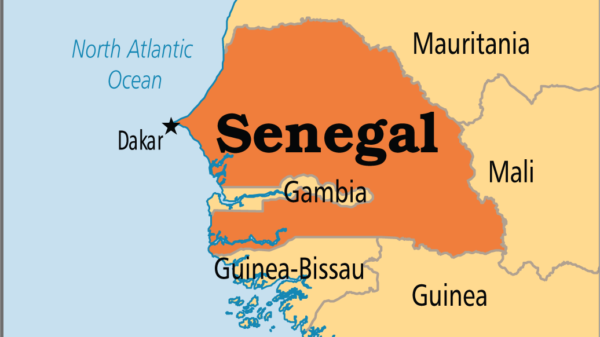
Cameroon is among at least seven African countries that have participated. According to congressional findings, others include:
- Eswatini
- Equatorial Guinea
- Rwanda
- Ghana
- Uganda
- South Sudan
Many agreements remain undisclosed. Ghanaian officials have publicly denied receiving direct payments.
Administration’s defence
Officials, including Secretary of State Marco Rubio, have defended the programme as lawful and focused on individuals deemed dangerous or whose home countries refuse repatriation.
The administration says the policy prevents prolonged detention in the United States.
Legal and human rights concerns
Immigration attorneys and rights advocates argue the policy raises due process concerns and may expose deportees to detention or indirect return to countries where they face harm.
Legal challenges are ongoing in U.S. courts, and the expansion of the programme has become a focal point in debates over immigration enforcement and executive authority.