





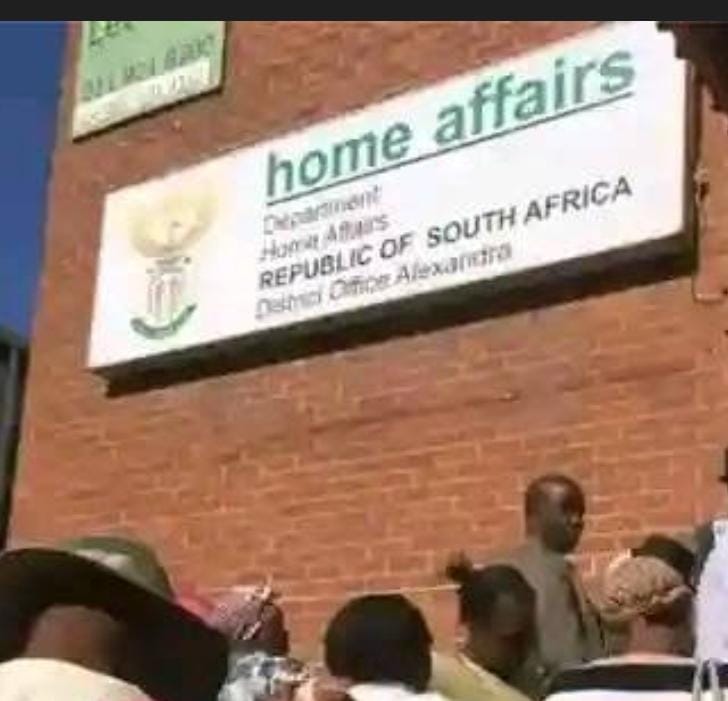
The South African government has announced plans to revoke more than 2,000 visas—primarily study permits—after a sweeping investigation uncovered what officials described as a two-decade-long corruption scheme within the country’s immigration system.
The announcement was made during a high-level briefing on Monday by Home Affairs Minister Leon Schreiber, following the release of an interim report by the Special Investigating Unit (SIU).
A “Marketplace” Inside the Immigration System
According to the SIU, the investigation spanned a 20-year period from 2004 to 2024 and revealed that elements within the Department of Home Affairs had effectively turned the visa system into a “marketplace,” where permits were allegedly sold to the highest bidder.
The report outlines a pattern of systemic abuse involving low-ranking officials who allegedly facilitated the fast-tracking and approval of fraudulent visa applications in exchange for illicit payments.
Financial Exploitation and Lavish Lifestyles
Investigators found that just four junior officials—each reportedly earning less than R25,000 per month—collectively received more than R16 million (approximately $1 million) in unexplained deposits over the review period.
In one case highlighted in the report, an official allegedly constructed a luxury mansion and even built a private access road, assets deemed grossly disproportionate to their government salary. Authorities have indicated that lifestyle audits played a key role in exposing the discrepancies.
How the Scheme Operated
The SIU detailed a streamlined and covert method of operation:
Visa applications were allegedly sent directly to corrupt officials via WhatsApp for expedited processing.
Payments were often funneled through spouses or associates to avoid detection.
In some cases, cash was reportedly concealed inside physical application documents.
The findings suggest that fraudulent documentation may have enabled individuals to enter or remain in South Africa under false pretenses for years.
High-Profile Religious Links
The interim report also referenced alleged irregular visa approvals connected to networks involving self-proclaimed religious leaders, including Shepherd Bushiri and Timothy Omotoso.
While the report did not detail specific charges in relation to the individuals named, it indicated that certain visa processes linked to their networks were flagged as irregular and subject to further scrutiny.
Enforcement and Deportation Measures
Minister Schreiber confirmed that the government will not only revoke the affected visas but also “ringfence” any subsequent documentation obtained through fraudulent approvals. This measure is intended to prevent individuals from using derivative or follow-up permits to delay removal proceedings.
Authorities say the revocations will facilitate deportations where warranted and support potential criminal prosecutions against both officials and beneficiaries of the scheme.
Accountability Tracker (As of February 2026)
Visas identified for revocation: 2,000+ (primarily study permits)
Investigation period: 2004–2024
Officials implicated: Multiple, including at least four junior staff members
Illicit funds identified: R16 million+
Lifestyle audits conducted: Ongoing
Deportations and prosecutions: Pending further legal processes
A Broader Reform Agenda
The Home Affairs Ministry indicated that structural reforms are underway to prevent future abuse. These include tightening internal oversight mechanisms, digitizing application tracking systems, and enhancing collaboration with law enforcement agencies.
Officials framed the crackdown as part of a broader effort to restore public confidence in South Africa’s immigration system and safeguard national security.
The SIU’s investigation remains ongoing, with further findings and possible criminal referrals expected in the coming months.