












The Government of Ghana has confirmed the killing of seven Ghanaian nationals in an armed ambush targeting a truck carrying tomato traders in northern Burkina Faso, highlighting mounting security risks along cross-border trade routes in the Sahel region.
According to official statements from the Ministry of the Interior and the Ghana Armed Forces (GAF), the attack occurred on Saturday, February 14, 2026, in the town of Titao. Armed militants intercepted a truck transporting 18 Ghanaian traders through the area.
Details of the Attack
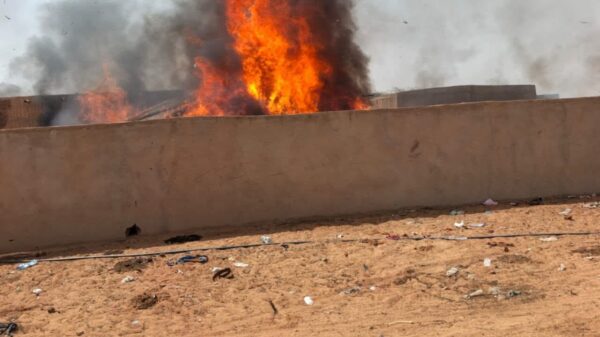
Interior Minister Muntaka Mohammed-Mubarak stated that the assailants separated the men from the women before opening fire, killing seven male traders at the scene. Authorities reported that the victims were subsequently burned alongside the truck.
Eleven individuals survived the ambush. Seven women escaped unharmed, while four others — three men and one woman — sustained various injuries.
Due to the condition of the remains and prevailing security challenges associated with cross-border transportation, the deceased were buried in Burkina Faso on Monday, February 16. The burial was attended by the surviving female traders.
Government Response
In the immediate aftermath, the Government of Ghana initiated what officials described as a “coordinated humanitarian and security response” involving multiple state institutions.
The Ministry of the Interior worked closely with the Ghana Embassy in Ouagadougou and Burkinabe authorities to secure the attack site and assist in victim identification.
On February 17, the Ghana Air Force carried out an emergency aero-medical evacuation to repatriate the injured survivors. The three most critically wounded were transferred to the 37 Military Hospital in Accra for specialized treatment.
The Ghana Armed Forces extended condolences to the bereaved families and reaffirmed continued coordination with Burkinabe security forces to monitor developments.
Rising Security Concerns
The attack comes amid escalating militant activity across the Sahel, raising concerns about potential spillover by extremist groups linked to Al Qaeda and Daesh into Ghana’s northern border areas.
The incident has also renewed attention to the risks faced by traders engaged in informal cross-border commerce. Many northern Ghanaian communities depend on trade routes into Burkina Faso for agricultural produce, particularly tomatoes.
While the government is promoting increased domestic tomato production to reduce reliance on cross-border supply chains, informal trade remains a crucial source of livelihood for many households.
Authorities say security surveillance along the northern corridor has been intensified as investigations continue.