










Tensions between Pakistan and Afghanistan have escalated dramatically, with Pakistani officials formally declaring what they describe as “open war” following weeks of border clashes and a large-scale Afghan ground offensive.
In the early hours of Friday, February 27, Pakistan launched extensive airstrikes across multiple Afghan cities, including the capital, Kabul. The strikes mark the most significant military escalation between the two neighboring countries in recent years.
Pakistan Announces Operation “Ghazab Lil Haq”
Pakistan’s Defense Minister, Khawaja Asif, declared that Islamabad’s “patience has run out,” characterizing the latest strikes as a direct response to Afghan “aggression.” He accused the Taliban government of harboring international militant groups and facilitating cross-border attacks.
The Ministry of Information confirmed the launch of Operation “Ghazab Lil Haq” (Wrath of Justice), stating that the campaign targets Taliban military installations and defense infrastructure.
According to Pakistani officials, airstrikes began at approximately 1:50 a.m. local time in Kabul and extended to the southern city of Kandahar and eastern Paktia province.
Conflicting Military Claims
Both governments have issued sharply divergent casualty reports, which remain difficult to independently verify amid ongoing hostilities.
Pakistan’s Claims:
133 Taliban fighters killed
Over 200 wounded
2 Pakistani soldiers killed and 3 wounded in prior border clashes
27 Taliban posts destroyed and 9 captured
Afghanistan’s Claims:
55 Pakistani soldiers killed
Several Pakistani personnel captured
8 Afghan soldiers killed and 11 wounded
19 Pakistani posts and 2 bases seized
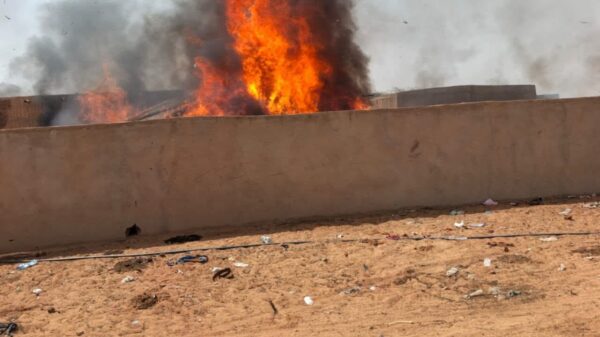
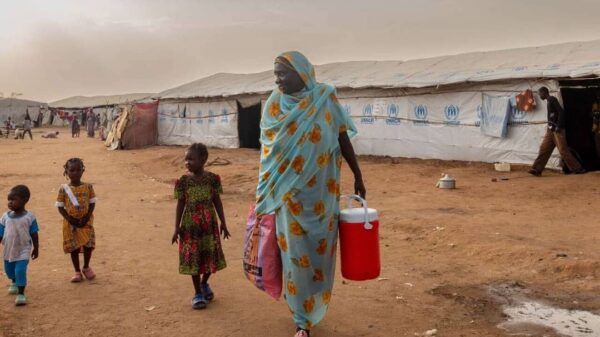
Taliban spokesperson Zabihullah Mujahid stated that no casualties occurred in the Kabul strikes. However, local health officials in Nangarhar reported that a Pakistani mortar shell struck a refugee camp near the Torkham border crossing, injuring seven civilians, including one woman in critical condition.
Ground Fighting Along the Durand Line
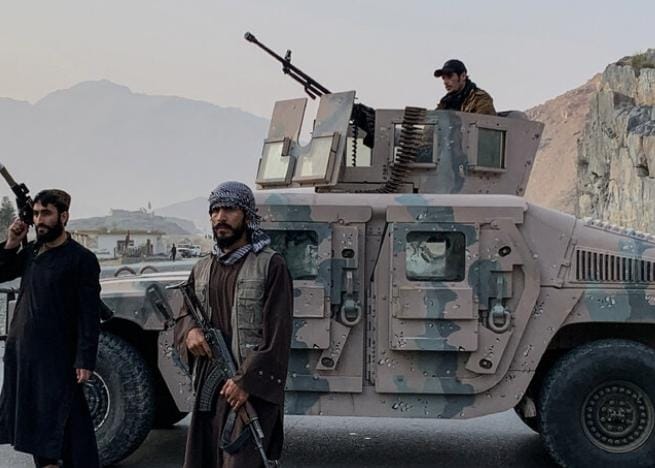
The escalation follows a large-scale Taliban ground assault along the disputed Durand Line border. Afghan authorities claim their forces seized between 15 and 17 Pakistani military outposts in Nangarhar and Paktia before the air campaign began.
On its side of the border, Pakistan has intensified internal security operations in Khyber Pakhtunkhwa, particularly in Chitral, Khyber, Mohmand, Kurram, and Bajaur districts. Islamabad alleges that militant groups operating in these areas receive direct support from the Afghan Taliban.
Major crossings at Torkham and Chaman remain largely closed, restricting civilian and commercial movement except for limited refugee returns.
International Calls for Restraint
UN Secretary-General António Guterres called for “maximum restraint” and immediate political dialogue. UN Human Rights Chief Volker Türk warned that continued escalation could trigger a humanitarian catastrophe.
Regional powers, including Russia and Iran, have expressed concern and offered mediation. Former U.S. envoy Zalmay Khalilzad suggested that a neutral third-party monitor, such as Turkey, could oversee a permanent ceasefire.
A Region on the Brink
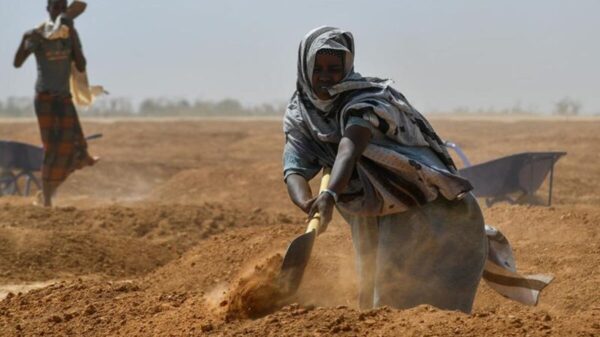
With both militaries reinforcing positions and aerial operations ongoing, the situation remains volatile. Independent verification is limited, and humanitarian agencies warn that civilians along the frontier face mounting risks.
Observers caution that without immediate de-escalation, the confrontation could evolve into a prolonged regional conflict with severe humanitarian and economic consequences.