













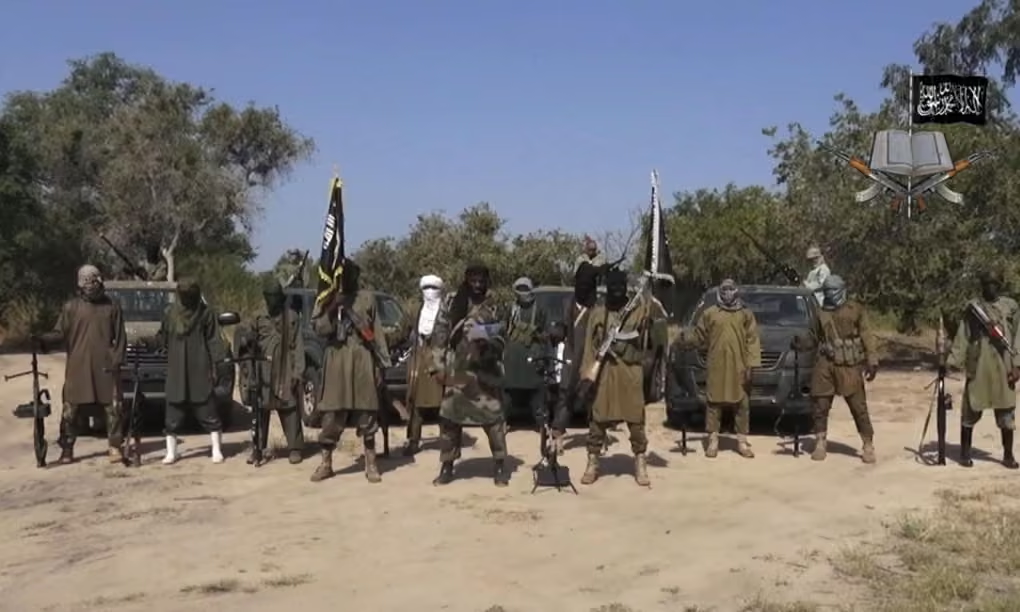
In a weekend of intensifying violence, coordinated assaults on two military bases in Nigeria’s Borno State have left several soldiers dead and raised fresh alarms over the reach of Islamist militants in the region.
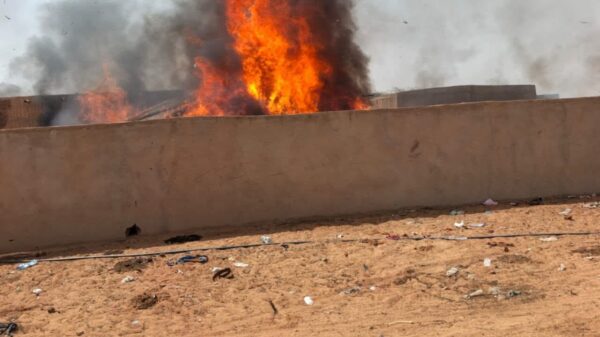
The attacks, which took place between Saturday and Sunday, targeted military outposts in Pulka and Mandagairo, both of which serve as critical fronts in the long-standing conflict against Boko Haram and the Islamic State West Africa Province (ISWAP).
Conflicting Casualty Reports
While the Nigerian military officially reported that their forces met the attackers with a “Waterloo,” claiming no casualties on the side of the army and heavy losses for the militants, independent security reports paint a grimmer picture. These reports indicate an “unknown number” of soldiers were killed during the fierce exchanges.
One significant blow to the insurgency was confirmed: the elimination of Abua Isisha, a prominent militant leader.
A Growing Crisis
Borno State remains the epicenter of a 17-year insurgency that has shown no signs of abating. Despite repeated government claims that the militants have been “decimated,” the groups continue to regroup and launch “full force” operations.
The tactics remain consistent and brutal:
Mobility: Large groups of fighters arrive on motorbikes and gun trucks.
Firepower: Assailants are equipped with AK-47s, AK-48s, and heavy weaponry to ambush security forces.
Destruction: Beyond military targets, entire villages are frequently seized and set ablaze.
Fear of Escalation
The violence is no longer confined to the northeast. Experts warn of a dangerous escalation as Boko Haram and ISWAP increasingly align with bandit groups in North Central and Northwest Nigeria. Recent atrocities include a massacre earlier this month in Borno where over 160 people were killed, and an attack in Niger State just yesterday that claimed at least 30 lives.
Public Skepticism
Despite a renewed military partnership with the United States—which includes a small mission and increased arms shipments—public confidence in the Nigerian government’s ability to win the war is at an all-time low.
Many Nigerians fear the true scale of the crisis is underreported. “Each day you wake up, some of the attacks are not even reported because they happen in remote areas where there is no internet access,” noted DW correspondent Olusegun Idris.
As the insurgency enters its eighteenth year, the twin attacks in Pulka and Mandagairo serve as a stark reminder that for the people of Borno, the promise of peace remains elusive.