








The discovery of multiple mass graves on the outskirts of Uvira in eastern Democratic Republic of the Congo has intensified concerns over escalating human rights violations in South Kivu province, underscoring the fragile security situation despite ongoing peace efforts.
Discovery of Mass Grave Sites
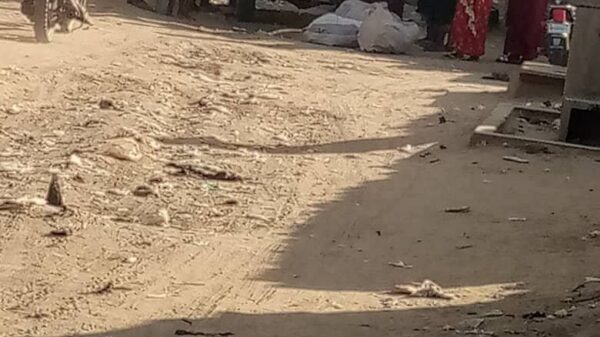
The Governor of South Kivu, Jean-Jacques Purusi, confirmed the discovery of two primary mass grave sites following heavy rainfall that exposed burial areas near the strategic border city of Uvira.
Kavimvira neighborhood: Authorities reported the recovery of 141 bodies from a large mass grave.
Kiromoni neighborhood: Approximately 30 bodies were found near the Burundian border.
Sange (30 kilometers from Uvira): Local civil society leaders identified a third burial site containing 10 bodies.
The combined reported total stands at 181 victims.
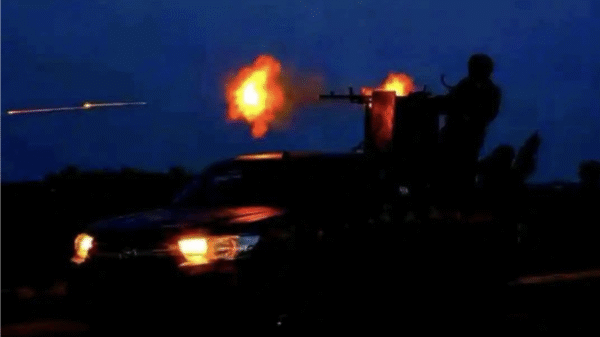
Uvira, a key commercial hub near Lake Tanganyika and the border with Burundi, had been under the control of the M23 rebel group before its recent withdrawal.
Allegations Against M23 Rebels
Governor Purusi and the Local Network for the Protection of Civilians allege that the victims were killed by fighters from the March 23 Movement (M23) during their occupation of the city.
According to local authorities, the victims are believed to have been civilians suspected by the rebels of collaborating with the Congolese national army (FARDC) or with pro-government Wazalendo militias.
The M23 seized Uvira in December 2025 during a rapid offensive that, according to regional estimates, resulted in more than 1,500 civilian deaths and displaced approximately 300,000 people. The group later announced its withdrawal in January 2026, describing the move as a “trust-building measure” within U.S.- and Qatari-mediated peace negotiations.
Restricted Access to Sites
Although the graves were uncovered by rainfall, local civil society organizations report that the Congolese military has since restricted access to the sites, preventing independent documentation and forensic assessment.
The military has not publicly detailed the reasons for the access limitations, raising concerns among human rights advocates about transparency and evidence preservation.
International Response and Monitoring Efforts
The discovery comes amid mounting international concern.
In late January, Human Rights Watch warned that civilians in Uvira remained at “grave risk” following the M23 withdrawal, citing reports of summary executions, enforced disappearances, and torture during the occupation.
The United Nations peacekeeping mission, MONUSCO, has announced plans to deploy a monitoring team to Uvira to verify compliance with the ceasefire and investigate alleged human rights violations. Officials caution, however, that the security environment remains volatile.
Fragile Peace Process
The mass grave discoveries occur less than a month after the signing of the Doha Framework Agreement on February 2, 2026. The accord was intended to establish a permanent ceasefire between the Congolese government and the Alliance Fleuve Congo coalition, which includes M23.
The revelations risk undermining confidence in the peace process and could complicate ongoing diplomatic mediation efforts.
Humanitarian Impact
The broader humanitarian crisis in eastern DRC continues to deepen:
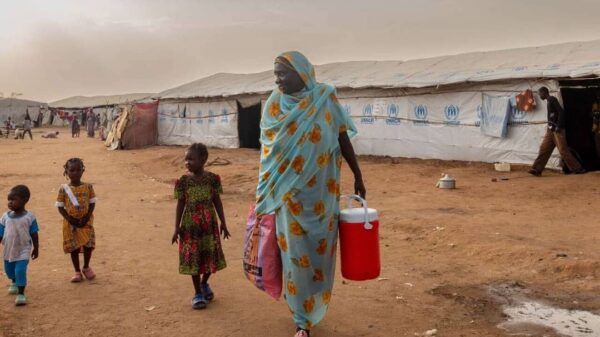
Total displaced nationwide: Over 7 million people
Uvira displacement (December–January): Approximately 300,000 people
Estimated M23 strength: Around 6,500 fighters (per UN experts)
Reported civilian casualties during Uvira offensive: 1,500+
As investigations begin, calls are mounting for independent forensic examinations, protection of evidence, and accountability for potential war crimes. With millions displaced and tensions high in South Kivu, the coming weeks are likely to test both the ceasefire’s durability and the credibility of the broader peace process.