






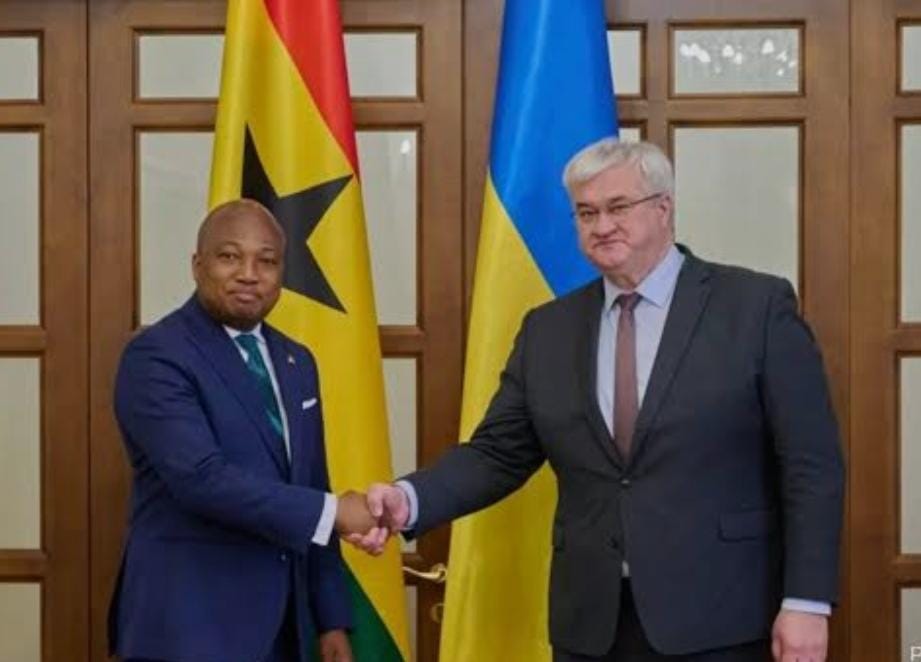
diplomatic relations between Ukraine and Ghana have entered a historic phase following the first-ever standalone wartime visit by an African foreign minister to Kyiv.
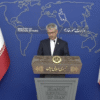
The visit by Ghana’s Foreign Minister, Samuel Okudzeto Ablakwa, on February 25–26 included high-level meetings with Ukrainian President Volodymyr Zelenskyy and Foreign Minister Andrii Sybiha. The talks focused on security, deceptive military recruitment, agricultural cooperation, and Ghana’s emerging continental leadership role.
Combatting Deceptive Recruitment of African Nationals
A central focus of the bilateral discussions was what both sides described as the “deceptive luring” of African nationals into the Russian military.
According to official Ukrainian data presented during the meetings, 272 Ghanaian citizens are currently fighting on the Russian side. Broader figures indicate that approximately 1,780 African nationals from 36 countries have been recruited into Russian forces since the start of the full-scale invasion.
Minister Ablakwa stated that many recruits were misled through dark web channels and social media platforms, where job advertisements falsely promised employment in hospitality, security, or logistics roles in Russia. Upon arrival, many were reportedly deployed to frontline combat positions without adequate military training.
In a rare diplomatic gesture, Ukraine granted Ghanaian diplomats access to several Ghanaian nationals captured while fighting for Russia. Ukrainian authorities confirmed they are processing formal requests for repatriation in coordination with Ghanaian officials.
Foreign Minister Sybiha sharply criticized Moscow’s recruitment tactics, stating:
“The Russians are dragging Ghanaians to their deaths, while Ukraine offers cooperation for the sake of life, education, and mutually beneficial projects.”
Strategic Agricultural Partnership and Grain Hub Proposal
Beyond security concerns, the visit also produced concrete economic proposals under Ukraine’s “Food from Ukraine” initiative.
Kyiv confirmed its readiness to establish a Processing and Distribution Center — informally described as a “Grain Hub” — in Ghana. The proposed facility would receive Ukrainian wheat and food products, process them locally, and distribute them across the West African region.
The agreement framework includes provisions for agricultural technology transfer, with Ukraine offering modern farming equipment and technical expertise to support Ghana’s agro-industrial development. Officials on both sides described the initiative as a long-term strategic partnership aimed at food security and regional supply-chain resilience.
While no construction timeline has yet been formally announced, diplomatic sources indicate feasibility assessments and logistical planning are expected to begin later this year.
Ghana’s Role in the African Union
The meetings also underscored Ghana’s growing diplomatic weight on the continent. Ghana is endorsed to chair the African Union (AU) in 2027, a position that both sides see as strategically significant.
President Zelenskyy emphasized that Ghana’s anticipated AU chairmanship offers a critical window to strengthen Africa–Ukraine relations and align continental positions with international law principles regarding sovereignty and territorial integrity. He also proposed continent-wide awareness campaigns aimed at preventing foreign military recruitment of African nationals.
Ukrainian officials view enhanced cooperation with Ghana as a gateway to broader engagement with African states amid intensified geopolitical competition for influence on the continent.
Official Data Snapshot
According to figures presented during the visit:
Ghanaian nationals active in Russian forces: 272
Total African nationals active in Russian forces: Approximately 1,780
Estimated Ghanaian prisoners of war (POWs) in Ukraine: 10–15
Total African POWs in Ukraine: More than 140
Countries of origin: 36 African nations, including Ghana, Kenya, and South Africa
The visit marks a diplomatic milestone not only for bilateral relations but also for Ukraine’s broader strategy of strengthening ties with African nations during the ongoing conflict.
As the war continues, the outcomes of this engagement — particularly the handling of repatriation cases and the implementation of the proposed Grain Hub — will serve as key indicators of how wartime diplomacy between Kyiv and African capitals evolves in the months ahead.