











As Ukraine approaches the fourth anniversary of Russia’s full-scale invasion on February 24, the conflict has entered one of its most volatile phases, marked by intensified aerial warfare, rising civilian casualties, and deepening geopolitical fractures across Europe and beyond.
Massive Aerial Assault Strikes Ukrainian Cities
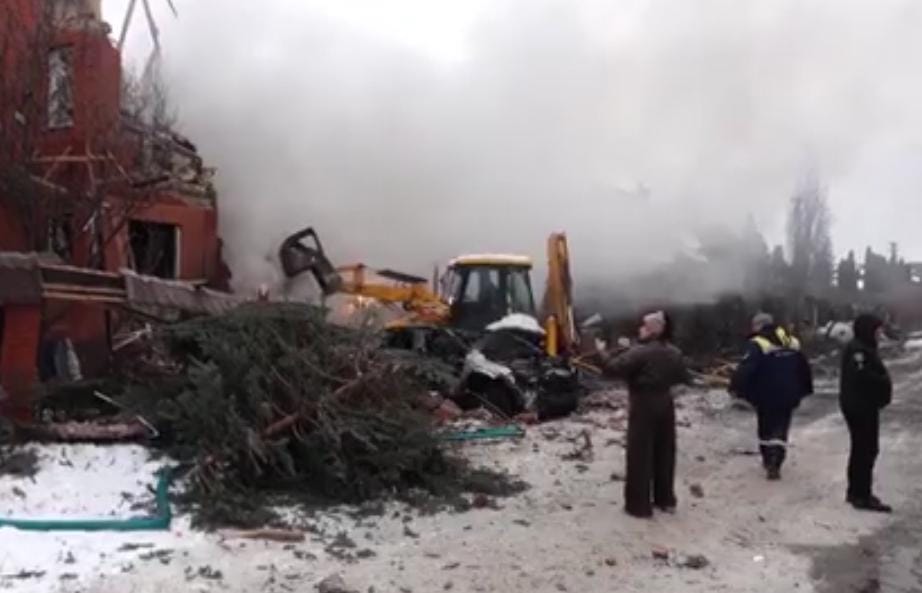
Ukrainian officials reported that Russia launched one of its largest combined aerial assaults of the war overnight, deploying 345 weapons, including 50 missiles and 297 drones. Air defense systems intercepted 33 missiles and 274 drones, but several strikes penetrated defenses, causing extensive damage to critical energy infrastructure.
Civilian casualties were reported across multiple regions. In the Odesa region, two people were killed, while one fatality was confirmed in Zaporizhzhia. In Kyiv, one person died and 17 others were injured, including four children, according to local authorities.
In the western city of Lviv, typically considered distant from front-line hostilities, a targeted explosive attack on a central shopping street killed a 23-year-old policewoman. President Volodymyr Zelenskyy condemned the attack as terrorism, underscoring concerns that the conflict’s reach is expanding beyond traditional combat zones.
Ukrainian Counter-Strikes Target Russian Infrastructure
Ukraine responded with what officials described as a “massive” drone and missile campaign. Russian authorities claimed to have intercepted 130 Ukrainian drones, but confirmed impacts were reported.
Strikes hit a fuel reservoir in Russian-occupied Luhansk and damaged energy infrastructure in the Belgorod border region, signaling Kyiv’s continued effort to disrupt logistics and supply lines supporting Russian military operations.
Nuclear Posturing and Diplomatic Strains
Amid the escalation, Russian President Vladimir Putin declared the strengthening of Russia’s nuclear forces an “absolute priority,” following the expiration of the last remaining nuclear arms treaty with the United States. The statement has heightened concerns among Western policymakers about strategic stability at a time of acute conventional conflict.
Within the European Union, internal divisions are complicating collective action. Hungarian Prime Minister Viktor Orbán is blocking a new sanctions package against Moscow. Budapest is reportedly pressing Kyiv to resume the flow of Russian oil through the Druzhba pipeline, which Ukraine recently halted. Ukrainian officials have characterized the move as political blackmail, exposing fractures in Europe’s unified front.
Meanwhile, Pope Leo XIV issued an urgent appeal for peace, declaring that ending the four-year war “cannot be postponed,” as humanitarian costs continue to mount.
Broader Global Flashpoints
The war in Ukraine unfolds against a backdrop of mounting international tensions.
In the diplomatic sphere, Iran has signaled “encouraging” signs ahead of high-stakes nuclear negotiations with the United States scheduled later this week in Geneva, raising cautious optimism about potential de-escalation in another volatile region.
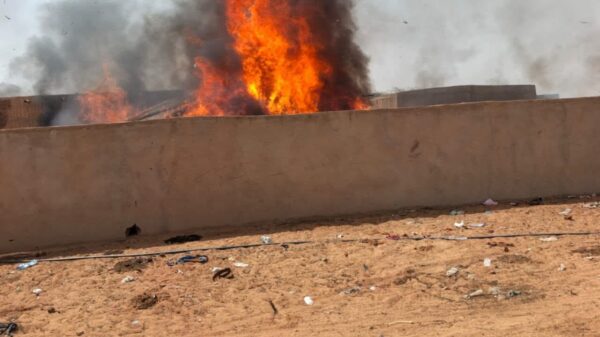
In Mexico, widespread unrest and arson have been reported following the alleged killing of a major cartel leader, prompting heightened security operations.
A Pivotal Moment
As the fourth anniversary approaches, global attention is intensifying at what appears to be a pivotal juncture. Between escalating aerial assaults, nuclear signaling, and European divisions, fears are growing that the conflict could expand in scope beyond Ukraine’s borders.
For Ukrainians entering their fourth year under fire, the anniversary represents not merely a date on the calendar, but an ongoing test of national resilience amid an increasingly unstable international landscape.