










Tensions in the occupied West Bank intensified this week as Palestinian families were displaced from the northern Jordan Valley and Israel approved a new land registration policy in Area C that critics say could accelerate de facto annexation.
Displacement in the Jordan Valley
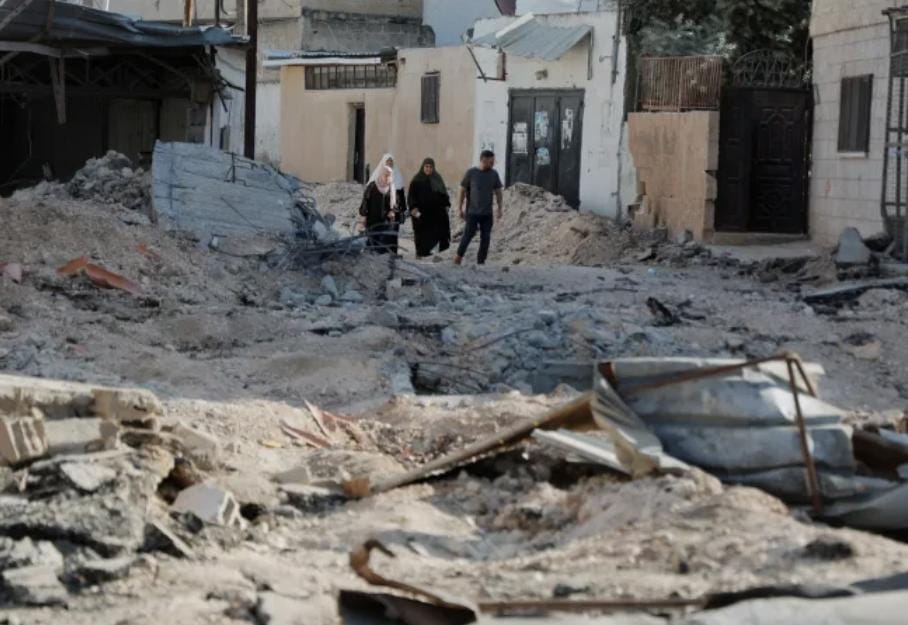
At least 15 Palestinian families in al-Malih village in the northern Jordan Valley dismantled their homes and left the area following what residents described as escalating attacks by Israeli settlers. Families reported incidents of tents being burned and threats aimed at forcing them to vacate the land.
Days earlier, seven families in the nearby Maita community were also displaced under similar circumstances, according to local accounts, which described a pattern of pressure through settler violence and intimidation.
Monitoring groups say more than 37,000 Palestinians were displaced in 2025 due to military incursions and settler-related incidents. In January 2026 alone, nearly 170 Palestinians were displaced as a result of home demolitions.
“State property” decision
The displacement coincides with a cabinet decision on Feb. 15 approving the registration of large areas of the West Bank as “state property,” the first such initiative since Israel took control of the territory following the 1967 war.
Under the regulation, individuals claiming ownership of land designated for registration must provide formal documentation. Critics argue that the measure disproportionately affects Palestinians, many of whom rely on traditional land tenure systems and may lack paperwork required under Israeli administrative standards.
The Israeli watchdog Peace Now described the move as a “mega land grab,” warning it could enable Israel to assert control over up to 83% of Area C, which comprises roughly 60% of the West Bank and remains under full Israeli civil and security control under the Oslo Accords.
Palestinian officials and international observers said the policy could lay groundwork for formal annexation, undermining prospects for a sovereign Palestinian state.
International reaction
Foreign ministers from Jordan, the United Arab Emirates, Indonesia, Pakistan, Türkiye, Saudi Arabia, Qatar and Egypt issued a joint statement calling the decision a “grave escalation.”
At the United Nations, Secretary-General António Guterres urged Israel to reverse the measures, describing them as illegal under international law and citing advisory opinions by the International Court of Justice.
Growing uncertainty
As displacement continues and the land registration process begins, analysts say the developments mark a significant moment in the trajectory of the Israeli-Palestinian conflict, with diplomatic pressure rising alongside tensions on the ground.