











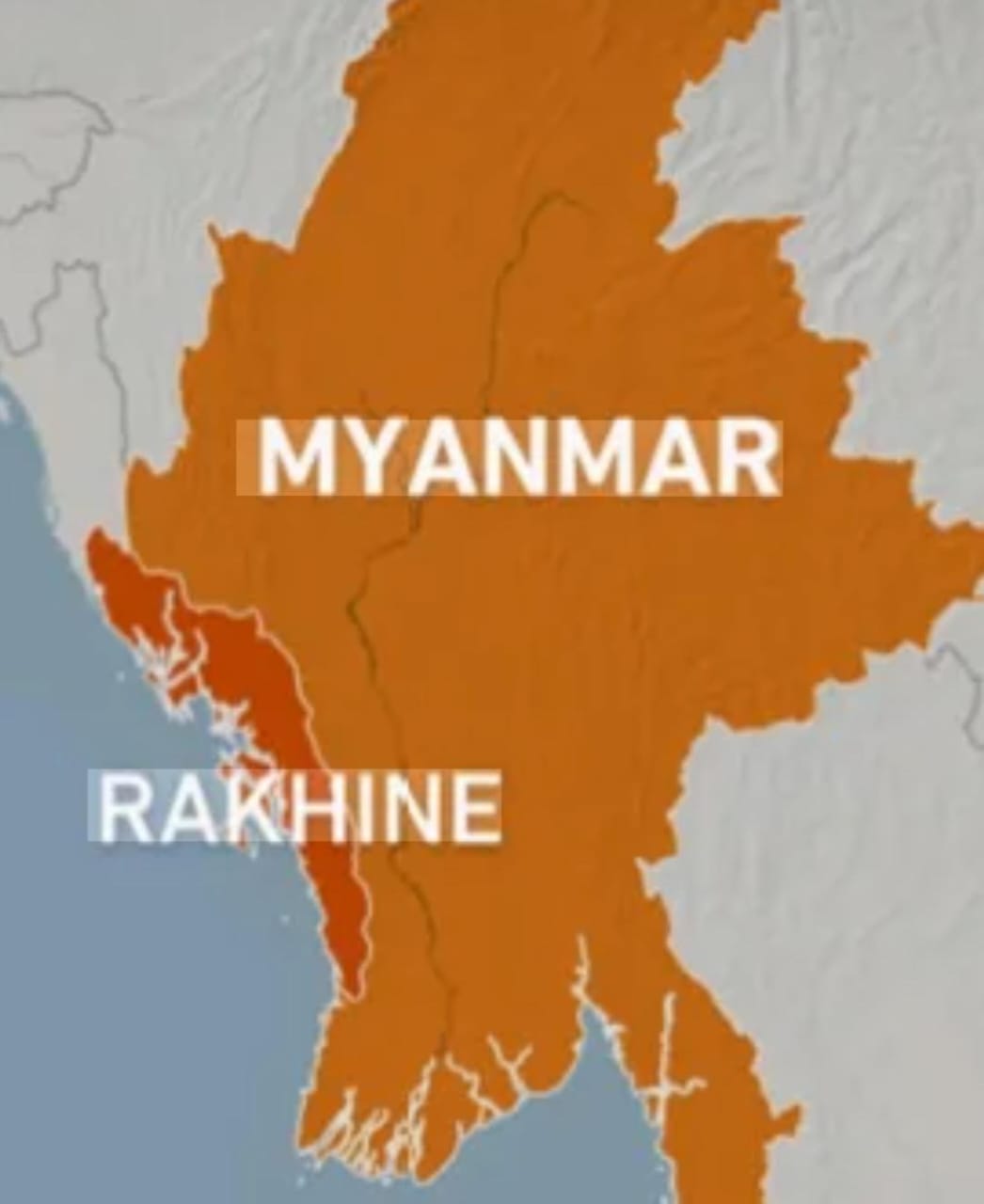
The death toll from Tuesday’s air strike on Yoengu village in Myanmar’s Rakhine State has risen to 18, according to official reports from local humanitarian groups and the Arakan Army (AA). The latest fatality, an elderly woman injured in the blast, succumbed to her wounds on Wednesday.
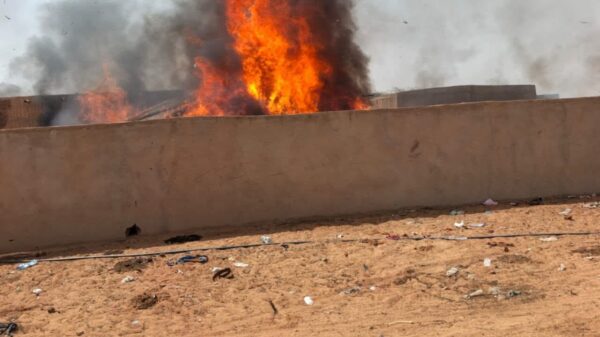
Verified reports from the independent outlet The Irrawaddy and the Ponnagyun Youths Association (PYA) state that a Myanmar military fighter jet dropped two 300-pound bombs on a crowded village market at approximately 2:00 PM local time on Tuesday.
Casualties and Damage
The strike reportedly targeted a non-military site where local residents and internally displaced persons (IDPs) had gathered.
Fatalities:
18 confirmed dead
17 killed instantly at the scene
1 elderly woman died from injuries on Wednesday
At least 4 children (aged 6 to 15)
Several women among the deceased
Injuries:
Between 15 and 16 individuals wounded
3 children (aged 4 to 7) remain in critical condition
Infrastructure Impact:
At least 13 homes destroyed
Multiple market stalls burned following the explosions
Local responders described the aftermath as chaotic, with fires spreading rapidly through wooden structures surrounding the marketplace.
Escalating Conflict in Rakhine State
The attack comes amid intensified fighting in Rakhine State, where the Myanmar military has reportedly lost control of 14 out of 17 townships to the Arakan Army in recent months. Analysts view the air strike as part of a broader aerial campaign aimed at countering territorial losses.
The humanitarian situation in the region continues to deteriorate. The United Nations Office for the Coordination of Humanitarian Affairs (UNOCHA) and the World Food Programme (WFP) have warned that the ongoing military blockade of Rakhine has led to a “dramatic rise in hunger,” restricting access to food, medical supplies, and essential goods.
Nationwide, the United Nations estimates that approximately 3.6 million people remain displaced as of early 2026, with Rakhine identified as one of the most volatile regions in the country.
Aviation Fuel and International Scrutiny
Monitoring organization Justice For Myanmar reported that jet fuel imports into Myanmar nearly doubled between 2024 and 2025, reaching approximately 106,604 metric tonnes. Observers argue that sustained aviation fuel access has enabled an increase in the frequency of air strikes in contested areas.
The issue of aviation fuel has become central to international sanctions discussions, with advocacy groups urging tighter restrictions to limit aerial bombardments.
Official and International Responses
The Arakan Army condemned the Yoengu strike as a “war crime” and a “crime against humanity,” stating that no military installations or outposts were present in the village at the time of the attack.
In January 2026, marking five years since Myanmar’s military coup, UN Secretary-General António Guterres stated that “the cycle of impunity persists,” while condemning the continued targeting of civilians across the country.
International human rights organizations, including Human Rights Watch, have also criticized the military’s January 2026 election results, describing them as illegitimate and asserting that violence has intensified since the polls concluded.
Ongoing Crisis
As fighting escalates and humanitarian access remains restricted, civilians in Rakhine State continue to bear the brunt of the conflict. Aid agencies warn that without immediate de-escalation and expanded humanitarian corridors, casualty figures and displacement numbers could rise further in the coming months.