










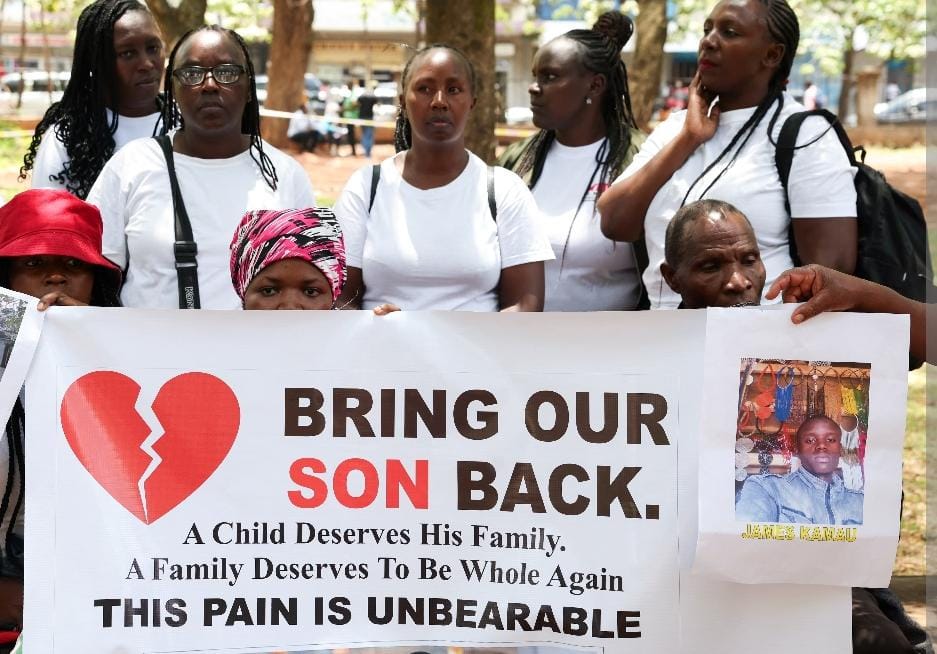
The arrest of Festus Arasa Omwamba has intensified Kenya’s investigation into what authorities describe as a sophisticated transnational “mercenary-luring” syndicate that allegedly trafficked hundreds of young Kenyans into the Russia-Ukraine conflict under false pretenses.
Arrest in Moyale
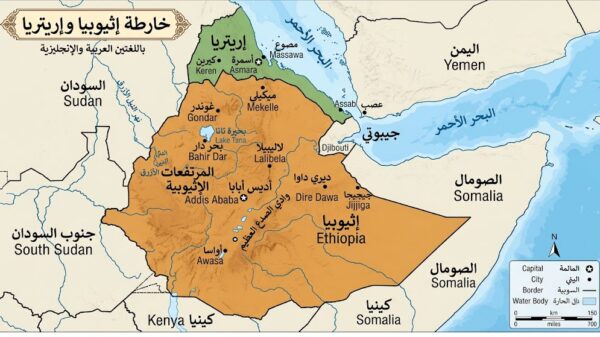
Omwamba, 33, was apprehended on Wednesday, February 25, 2026, in the northern border town of Moyale, near Ethiopia. According to police spokesperson Michael Muchiri, the suspect was attempting to flee the country after recently returning from Russia.
On Thursday, February 26, Omwamba appeared before an anti-terror court in Nairobi, where he was formally charged with trafficking 25 Kenyans to Russia in 2025.
Investigators say several returnees from the Ukraine front lines identified Omwamba as the primary recruiter who facilitated their tourist visa applications and purchased their air tickets. Victims reportedly believed they were being placed in skilled labor positions — including truck driving and electrical work — only to later find themselves deployed to active combat zones.
Intelligence Report Reveals Scale
The scale of the recruitment network was outlined in a February 2026 intelligence report by the National Intelligence Service (NIS), presented to Parliament by Majority Leader Kimani Ichung’wah on February 19.
Official Status of Kenyans in the Conflict:
Total Recruited: Over 1,000
Active on Front Line: 89
Hospitalized: 39
Missing in Action (MIA): 28
Confirmed Deceased: 1 — Clinton Mogesa, 29
The report alleges widespread collusion involving rogue recruitment agencies, airport staff, immigration officials, and personnel linked to both the Russian Embassy in Nairobi and the Kenyan Embassy in Moscow.
Recruitment Routes and Tactics
Authorities say recruits initially traveled on tourist visas through transit hubs such as Istanbul and Abu Dhabi. After Kenyan authorities heightened airport surveillance, syndicates reportedly shifted routes through Uganda, South Africa, and the Democratic Republic of Congo.
Victims were allegedly promised monthly salaries of approximately 350,000 Kenyan shillings (about $2,600) and significant sign-on bonuses — incentives that investigators describe as deliberately misleading.
Diplomatic Fallout
Kenya’s Foreign Affairs Cabinet Secretary Musalia Mudavadi has confirmed plans to travel to Moscow in March 2026. His mission will include verifying the condition of hospitalized Kenyans, negotiating the release of citizens reportedly held as prisoners of war in Ukraine, and addressing what he termed “dubious entities” facilitating the recruitment scheme.
Meanwhile, the Russian Embassy in Nairobi issued a statement on February 19 denying official involvement in what it called “rogue recruitment schemes.” The embassy added, however, that Russian law permits foreign nationals to voluntarily enlist.
Government Crackdown
In response to the revelations, Kenyan authorities have shut down more than 600 recruitment agencies found to be operating illegally or misleading job seekers. The Ministry of Foreign Affairs has also intensified safety advisories warning citizens against unverified overseas job offers, particularly in Eastern Europe.
Officials say investigations remain ongoing, with additional arrests expected as authorities trace financial flows and identify potential collaborators both within Kenya and abroad.
The Omwamba case is now viewed as a critical test of Kenya’s ability to dismantle transnational recruitment networks and protect vulnerable job seekers from exploitation amid ongoing global conflicts.