












South Sudan is bracing for a major escalation in its long-running conflict after government forces issued an urgent 48-hour evacuation order for civilians and international personnel in parts of Jonglei State, raising fears of heavy civilian casualties and a new wave of displacement.
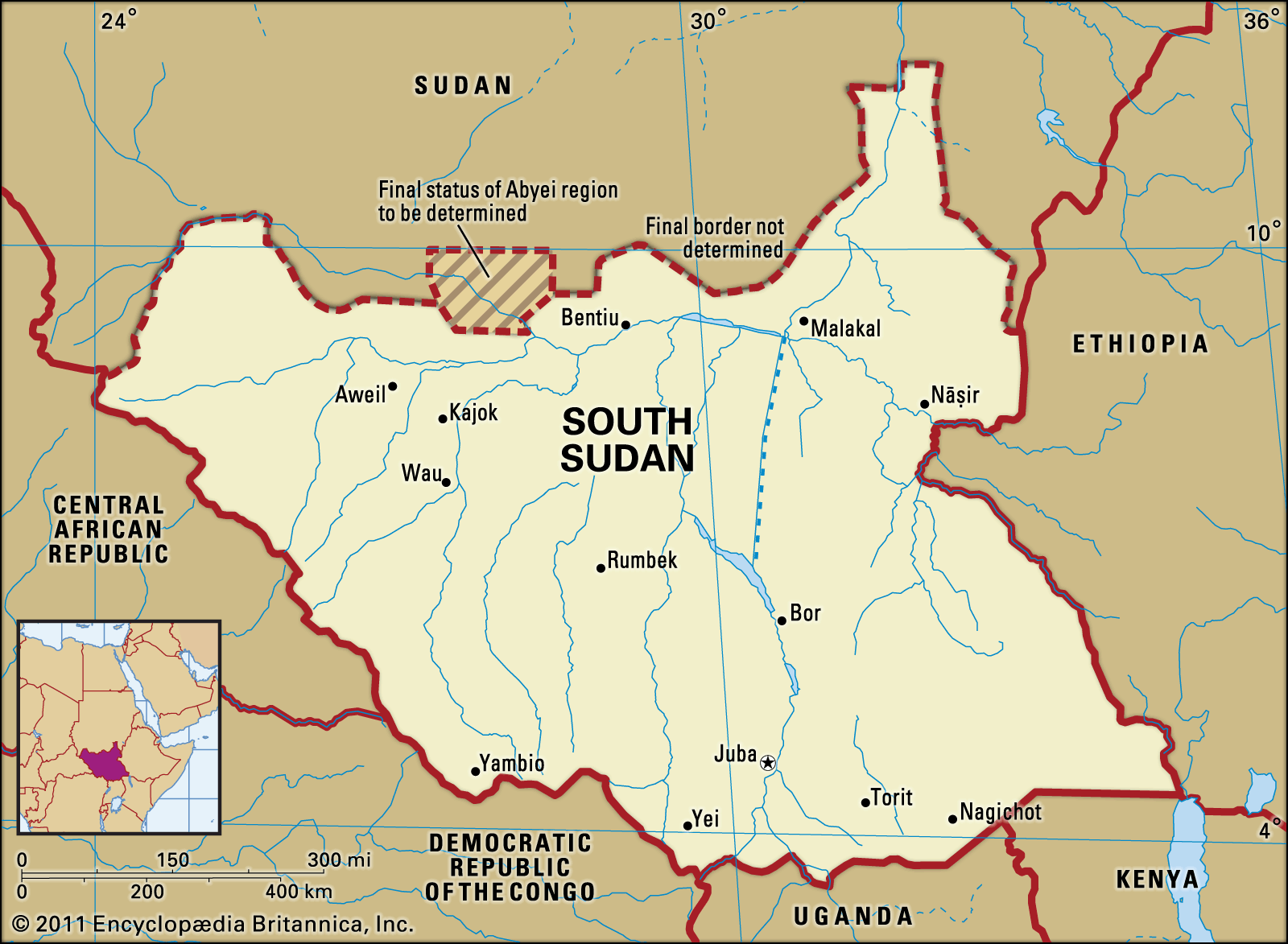
The South Sudan People’s Defence Forces (SSPDF) announced an “imminent” large-scale military campaign dubbed “Operation Enduring Peace,” targeting opposition strongholds in the counties of Nyirol, Uror, and Akobo. The order, issued in late January, instructs all civilians, humanitarian workers, and non-essential international staff to leave the designated areas within 48 hours.
SSPDF spokesperson Major General Lul Ruai Koang said the operation aims to counter advances by the Sudan People’s Liberation Army-in-Opposition (SPLA-IO). In a stark warning, the military declared that any armed civilians who fail to surrender their weapons in the affected zones will be considered “legitimate military targets.”
The announcement has triggered serious concern among humanitarian agencies and international observers, who fear that densely populated rural communities could be transformed into active battlefields.
Humanitarian Alarm as Displacement Grows
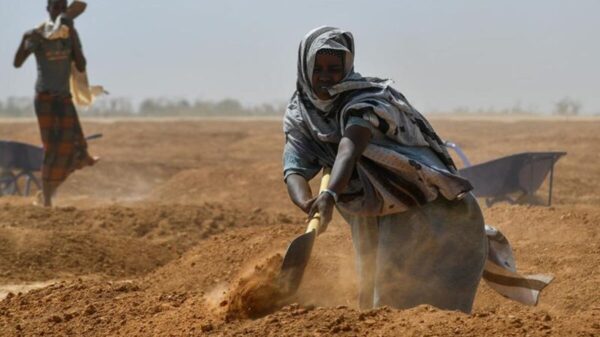
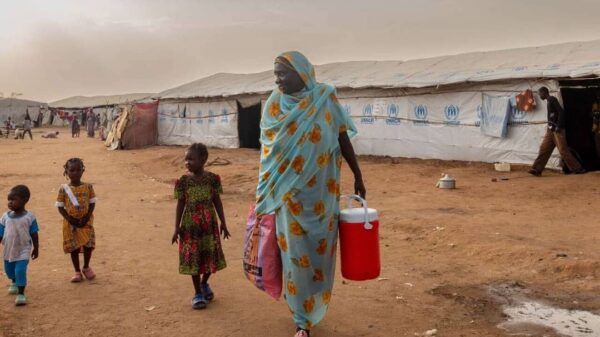
The United Nations Mission in South Sudan (UNMISS) warned of a rapidly deteriorating humanitarian situation. According to UNMISS figures, more than 180,000 people have been displaced in Jonglei State since late December 2025, with thousands fleeing toward already overstretched displacement sites.
Medical charity Médecins Sans Frontières (MSF) confirmed it has evacuated key staff from health facilities in Akobo and Lankien, citing direct instructions from authorities and concerns over possible airstrikes. The withdrawal leaves vast areas without essential medical services at a time when malnutrition, malaria, and waterborne diseases are already widespread.
While the SSPDF evacuation directive includes UN personnel, UNMISS peacekeepers in Akobo said they would remain in place to continue protecting civilians under their mandate. Non-essential UN staff are being relocated to safer locations.
Opposition Gains Raise Strategic Stakes
The escalation follows significant battlefield developments. Opposition forces recently captured the town of Pajut, considered a strategic gateway to Bor, the capital of Jonglei State. Analysts describe the loss as a major setback for government forces and a key factor behind the launch of Operation Enduring Peace.
In a further sign of intensifying conflict, the SPLA-IO last week called on its forces to advance toward the national capital, Juba, marking one of the most direct threats to the government since the height of the civil war in 2017.
Military observers say the scale of current mobilization and the rhetoric on both sides suggest a return to full-scale warfare not seen in nearly a decade.
Peace Agreement Under Severe Strain
The renewed fighting poses a serious test to the 2018 Revitalized Peace Agreement, which ended the previous phase of civil war and established a fragile unity government. Political tensions have already been mounting ahead of planned national elections in late 2026, and the latest violence risks derailing the process entirely.
Diplomatic sources say regional and international mediators are urgently seeking to de-escalate the situation, though no formal ceasefire talks have yet been announced.
Crisis Snapshot
- Affected areas: Nyirol, Uror, Akobo (Jonglei State)
- Evacuation window: 48 hours (issued January 25–26, 2026)
- Main belligerents: SSPDF (government) vs. SPLA-IO (opposition)
- Displaced persons: More than 180,000 since late December 2025
Growing Fears for Civilians
With evacuation deadlines looming, aid groups warn that many civilians — particularly the elderly, people with disabilities, and those without access to transport may be unable to flee in time. Humanitarian corridors remain limited, while seasonal flooding has already made large areas inaccessible.
As South Sudan once again teeters on the brink of intensified war, the international community faces mounting pressure to intervene diplomatically before Operation Enduring Peace ignites a broader humanitarian catastrophe.