











A wave of retaliatory drone strikes hit the city of Dilling in Sudan’s South Kordofan state, days after the Sudanese Armed Forces (SAF) announced it had broken a two-year siege on the city, according to medical, United Nations and local military sources.
Officials from the Sudan Doctors Network and the UN Office for the Coordination of Humanitarian Affairs (OCHA) said the security situation remains highly volatile, with civilians again bearing the brunt of renewed fighting.
Retaliatory drone offensive
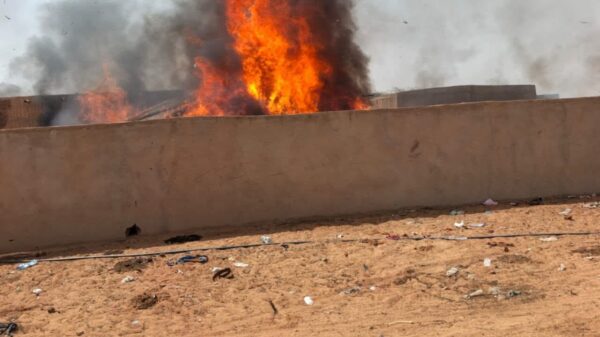
On Jan. 28, the Rapid Support Forces (RSF) and allied factions launched coordinated drone attacks on Dilling, about 48 hours after the army declared the siege lifted, medical officials said.
Local health authorities reported dozens of civilians killed or wounded, though casualty figures are still being verified. Suicide drones struck Dilling’s central market, several residential districts — including the Fath al-Rahman neighbourhood — and the headquarters of the SAF’s 54th Brigade, witnesses said.
Hospitals were quickly overwhelmed, with severe shortages of trauma kits, surgical supplies and intravenous fluids, medical sources added.
Military analysts said the drone campaign appeared to be retaliation for the army’s reopening of the strategic supply route linking Dilling to North Kordofan and the capture of Habila on Jan. 26.
Breaking the siege
The SAF operation to lift the blockade marked one of its most significant gains in South Kordofan since the conflict began. Army units, backed by allied local forces, advanced along multiple axes to reopen eastern access routes into the city.
Dilling is South Kordofan’s second-largest city and a key node on the supply corridor between Kadugli, the state capital, and El-Obeid in neighbouring North Kordofan.
Despite the army’s entry, the RSF is now seeking to re-impose the siege, launching renewed ground attacks around Habila while maintaining what observers described as a sustained drone campaign against urban targets.
Humanitarian crisis deepens
The United Nations and the Sudan Doctors Network warned that Dilling remains at “crisis level” after months of isolation.
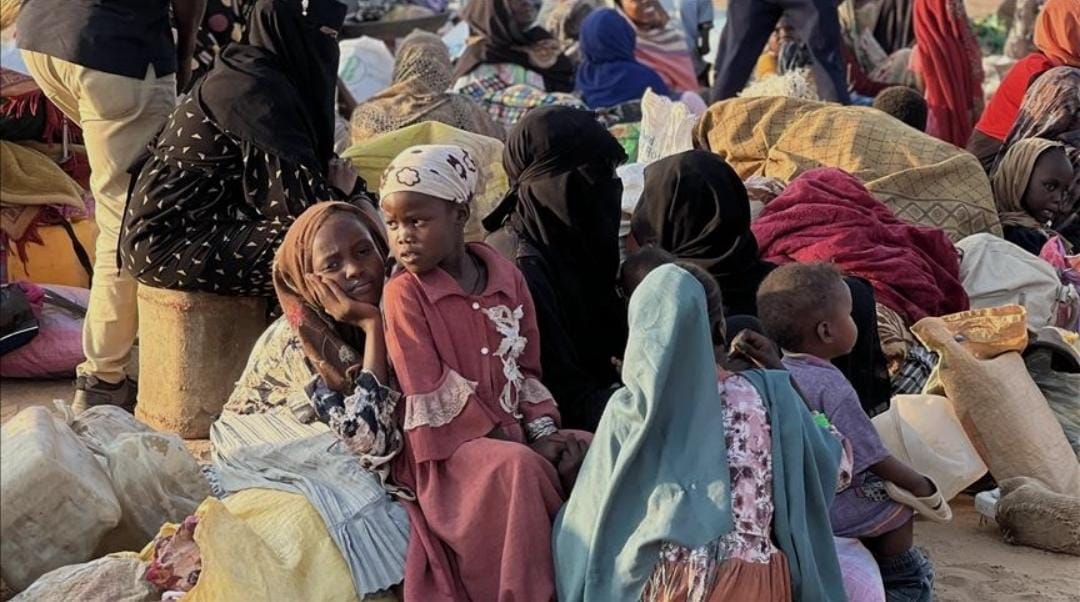
UN figures show more than 1,300 cases of severe malnutrition, most of them children. Displacement tracking data indicate that roughly half of the city’s population has fled.
With land routes still unsafe, aid agencies are urging the establishment of an emergency humanitarian air bridge or a secured corridor to deliver food, medical supplies and fuel.
UN spokesperson Stéphane Dujarric said on Jan. 28 that Dilling’s prolonged isolation had pushed humanitarian conditions to a critical threshold.
Control on the ground
- Dilling city centre: Contested, with SAF presence
- Habila: Recently captured by SAF
- Surrounding rural areas: Contested by RSF and SPLM-N (al-Hilu faction)
- Kadugli: Under SAF control but still besieged
Fragile gains
While the lifting of the siege initially signalled a potential turning point for the army in South Kordofan, the rapid RSF drone retaliation has underscored the fragility of recent territorial gains and the continued vulnerability of civilians.
Humanitarian agencies warn that without immediate secured access, conditions in Dilling could deteriorate further in the coming days.