


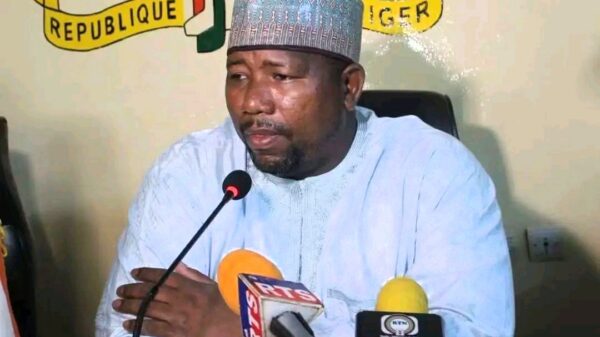
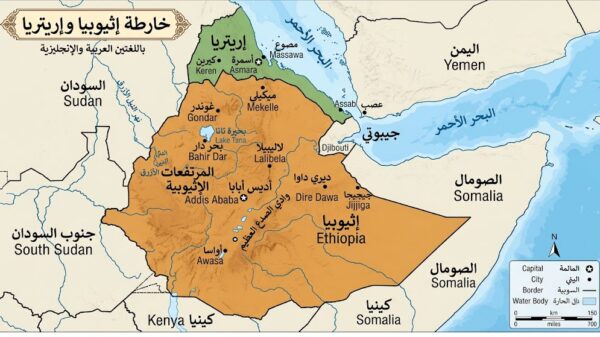





Ethiopia’s Minister of Water, Habtamu Itefa, declared the completion of all construction and filling phases of the Grand Ethiopian Renaissance Dam (GERD), confirming that the country is preparing a national celebration to mark the achievement.
Speaking on state television, the minister stressed that the dam is a regional integration project designed to foster cooperation and shared benefits between upstream and downstream countries, rather than a source of conflict.
He affirmed that the dam’s completion will not affect downstream nations’ water shares but will instead regulate water flow more consistently, benefiting all parties.
Itefa emphasized that Ethiopia had taken care not to harm any neighboring country during construction, maintaining information exchange with Sudan and ensuring uninterrupted water flow.
He urged that the issue be kept away from political tensions and approached in a spirit of cooperation to serve the interests of the region’s peoples.
Expected reactions from Egypt and Sudan
- Egypt: Cairo is likely to adopt a firm stance, viewing the dam as an existential threat to its historical share of Nile waters (55.5 billion m³ annually). Egypt will likely continue diplomatic pressure through the UN Security Council and the African Union, while implicitly signaling that more forceful options remain on the table if its water security is directly endangered.
- Sudan: Khartoum’s position is more complex. While it sees benefits in regulating Blue Nile flows (reduced flooding and increased power generation), it remains concerned about the lack of a joint coordination mechanism. Sudan may push for technical and operational guarantees to safeguard its own dams, particularly the Roseires dam.
- Overall: The dam’s completion without a binding legal agreement is expected to deepen mistrust and make the GERD a recurring flashpoint in regional politics, likely prompting renewed international pressure to resume negotiations under the African Union or alternative mediators.