






The White House is preparing to host a trilateral summit in the coming days, bringing together U.S. President Donald Trump, Congolese President Félix Tshisekedi, and Rwandan President Paul Kagame, in a last-ditch effort to salvage the peace agreement signed by both countries in late June—an agreement that has so far failed to halt fighting in eastern DR Congo.
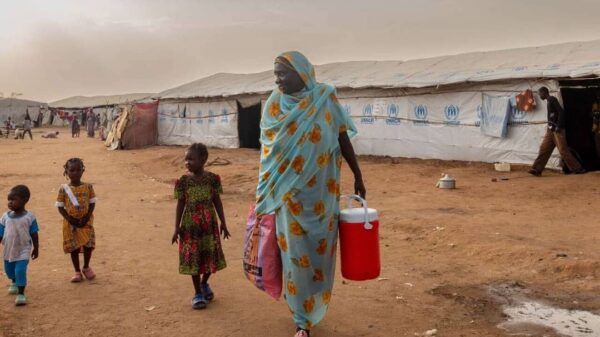
The high-stakes meeting comes amid escalating tensions, following the M23 movement’s capture of the strategic cities of Goma and Bukavu—an offensive widely attributed to Rwandan backing—which triggered the mass displacement of civilians and heightened regional instability.
On the ground, the peace deal’s implementation remains stalled as clashes continue, despite parallel mediation efforts led by the United States, upcoming Qatari-hosted talks with rebel groups, and Kenya’s ongoing support for the “Luanda-Nairobi” framework that blends political dialogue and military coordination.
The peace process faces significant hurdles, including mutual distrust between Kinshasa and Kigali, ongoing accusations, and the complex stakes surrounding mineral wealth in the resource-rich Kivu provinces.
Should the summit succeed, it could pave the way for a breakthrough—starting with a joint security mechanism, the disarmament of rebels, the return of millions of displaced people, and a revival of the fragile regional economy.
However, failure would likely mean renewed military escalation and deepening humanitarian disaster in a region already scarred by the longest-running war in modern African history—testing the international community’s resolve and its capacity to enforce sustainable peace on the continent.