













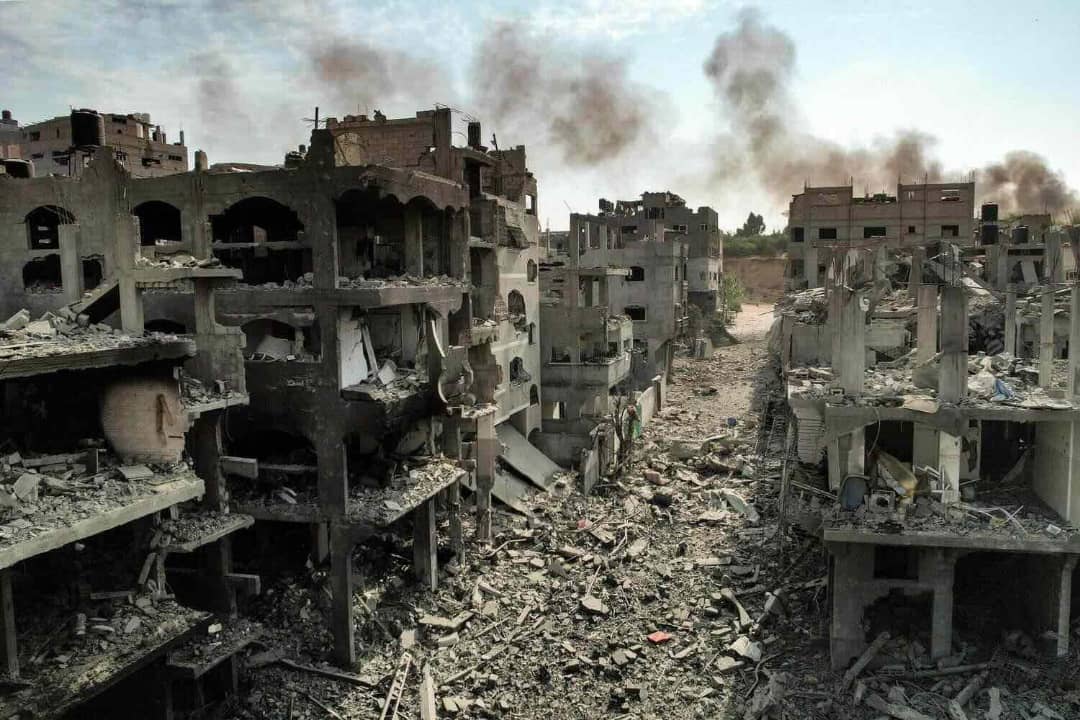
Negotiations in Doha over a Gaza ceasefire and prisoner exchange have shown tangible progress, amid reports that Israel is showing greater flexibility regarding the withdrawal of its forces, under mounting U.S. pressure to end the crisis.
The issue of hostages held in Gaza was central to talks between Israeli Prime Minister Benjamin Netanyahu and U.S. President Donald Trump, during their second White House meeting within 24 hours.
According to Axios, a secret trilateral meeting was held involving American, Israeli, and Qatari officials to discuss ceasefire terms. The Israeli army stated that conditions are now favorable for a prisoner exchange deal.
Israel’s foreign minister expressed optimism about reaching an agreement, noting that the country would be ready to negotiate a permanent ceasefire if a temporary truce is secured.
However, Netanyahu reiterated to Trump the need to maintain military pressure despite the high human cost, including the death of five Israeli soldiers in northern Gaza, claiming that such pressure is essential to defeat Hamas.
Trump described the war as a “tragedy” and expressed that all sides desire a resolution, according to Yedioth Ahronoth, which also reported that Trump had exerted intense pressure on Netanyahu to halt the fighting.
Sky News cited sources saying the last remaining obstacle in the talks is the Israeli military presence in Gaza—particularly Netanyahu’s insistence on maintaining control over the Morag corridor in southern Rafah, despite opposition from Israel’s own security establishment.
The two sides have reportedly overcome disputes over humanitarian aid and guarantees against resuming hostilities. Hamas has received indirect communications through confidential channels.
In a public statement, Israeli Chief of Staff Herzi Halevi acknowledged the severe toll of the war but confirmed that conditions are ripe for a prisoner swap agreement.