










Yaoundé – MOUMITE MOHAMED BASIL
Since 2016, Cameroon has been engulfed in a political and security crisis that has evolved into an asymmetrical war between the central government and separatists in the English-speaking Northwest and Southwest regions. The separatists seek to establish an independent state called Ambazonia, with Buea as its capital.
Historical Background
The roots of the conflict date back to the colonial division of Cameroon after World War I. While French Cameroon gained independence in 1960, the British-administered regions chose their future through a 1961 referendum. The southern part joined Cameroon, forming a federal republic intended to preserve linguistic and cultural identities.
In 1972, President Ahmadou Ahidjo abolished the federal structure and established a centralized state — a move that ignited long-term resentment among the Anglophone population.
From Protest to Insurgency
The current crisis erupted in 2016 when Anglophone teachers and lawyers took to the streets to protest marginalization and forced assimilation. Violent repression of the protests led to radicalization. On October 1, 2017, separatist leader Sisiku Ayuk Tabe declared the independence of Ambazonia. The state’s harsh military response triggered a wave of armed resistance.
Multiple rebel groups have since emerged, all claiming to fight for the independence of the Anglophone regions.
Humanitarian Fallout
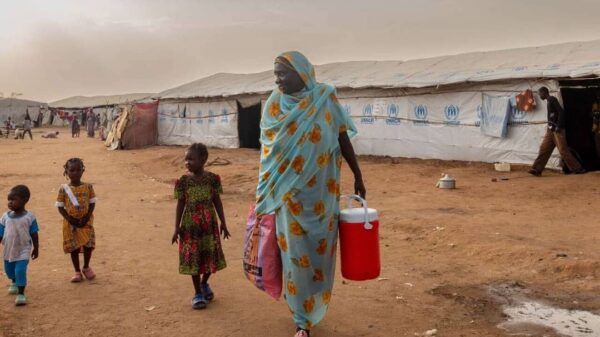
The conflict has displaced nearly half the population in the affected regions. Those who remain live in constant fear — caught between suspicion by separatists and crackdowns by the army. Daily life has become unbearable, with frequent power outages, soaring prices for basic goods, and widespread kidnappings for ransom. “Ghost town” operations regularly shut down local economies.
What’s Next?
This crisis raises deep questions about national unity in Cameroon. Without sincere engagement, respect for diversity, and justice for affected communities, the country risks further descent into violence and fragmentation.