










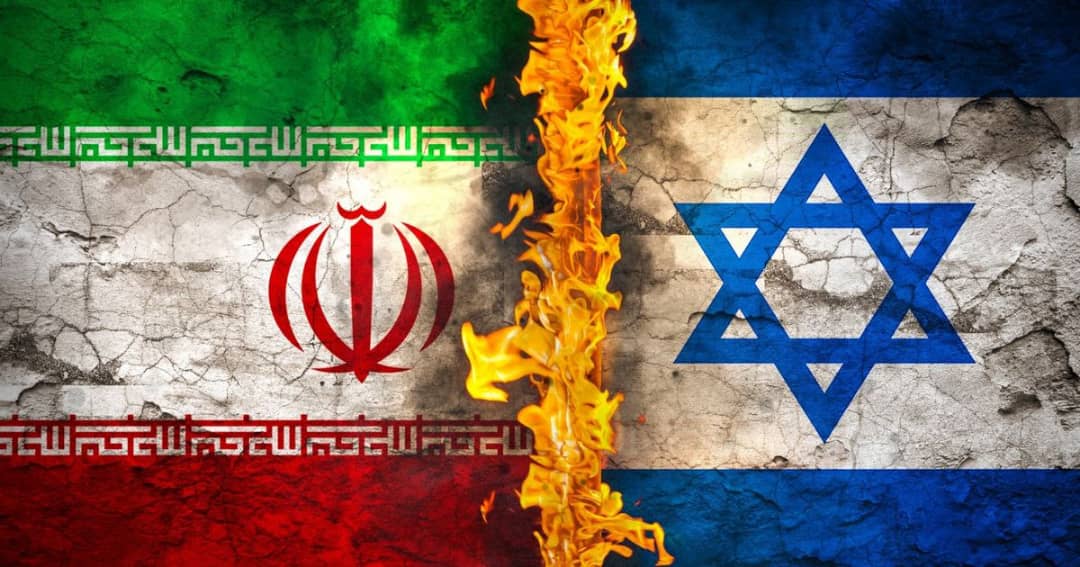
A new round of military confrontation erupted between Israel and Iran on the night of June 14–15, 2025, with mutual airstrikes intensifying fears of a broader regional conflict.
The Israeli military confirmed it had carried out air raids on strategic targets in Tehran, including Iran’s Ministry of Defense building and the South Pars gas field — the world’s largest — partially halting gas production.
In response, Iran launched several waves of missiles toward Israel, killing at least ten people — including civilians in cities like Tel Aviv and Tamra — and injuring dozens. According to the Islamic Revolutionary Guard Corps, the missiles also targeted energy infrastructure and fighter jet fuel depots.
Tehran has announced the cancellation of its nuclear talks with Washington, condemning the Israeli strikes as “barbaric” and warning of a “stronger retaliation” if military actions continue.
Israeli Prime Minister Benjamin Netanyahu warned that the current strikes are “nothing compared to what’s coming next.”
The escalation led to a 9% surge in global oil prices, with Iran reportedly considering the closure of the Strait of Hormuz — a critical route for global energy shipments.
While the United States expressed implicit support for Israel’s actions, the international community urged both sides to exercise restraint.