














A turning point in asylum policy as families remain trapped between laws and borders
In a move that sparked wide controversy, the German Bundestag voted on Friday, June 27, 2025, to suspend family reunification for beneficiaries of “subsidiary protection” for two years.
African Perceptions explores the implications of this divisive decision…
The measure reflects a broader shift across Europe, where migration and asylum policies are hardening amid rising far-right influence and narrowing legal pathways for those fleeing war and persecution.
From open arms… to border walls
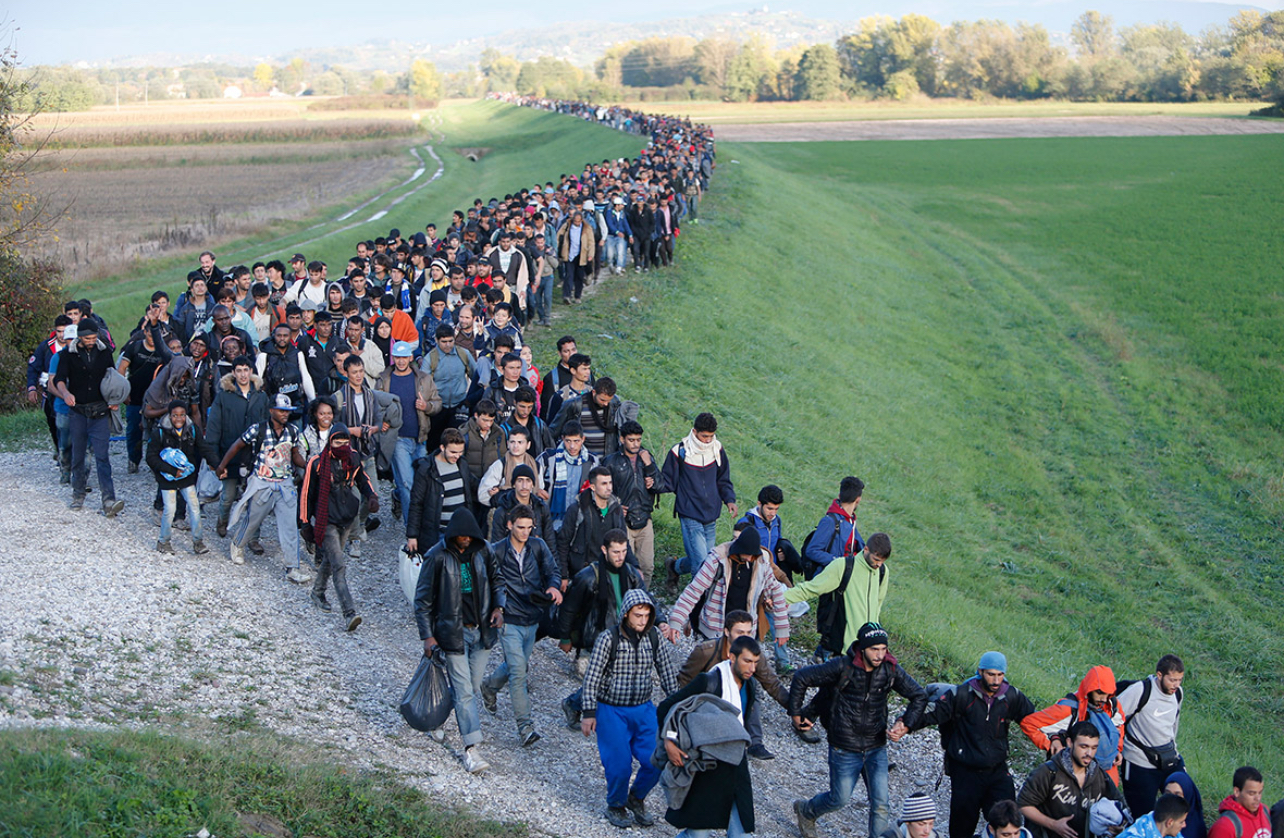
Germany, which welcomed over a million refugees in 2015, now stands at a critical crossroads.
The new law affects nearly 388,000 people under the “subsidiary protection” status — mostly Syrians who fled war but were not granted full refugee status.
Interior Minister Alexander Dobrindt defended the move, stating:
“Integration capacity has reached its limit… We need a more realistic system that sets boundaries and prevents legal loopholes from being abused.”
The law was a direct response to growing pressure from the far-right AfD party, which came second in the February elections with a strong anti-immigration stance.
From Berlin to Stockholm: Europe changes its tone
Germany is not alone.
Sweden, once hailed for its generous asylum policies, has drastically reduced its quotas since 2022 and introduced renewable temporary permits with strict family reunification rules.
Austria also froze family reunification for those with temporary protection.
France and Belgium are revising their asylum laws to fast-track deportations and limit protection for so-called “economic migrants.”
What’s behind the shift?
Three main drivers explain this sudden policy turn:
- The rise of populist right-wing parties, fueling fear-based narratives to gain votes.
- Economic and social pressure, with inflation and declining growth straining health, housing, and education systems.
- The EU’s New Pact on Migration and Asylum, passed in April 2024, which prioritizes deportations and restricts subsidiary protection.
Though the pact will come into force in 2026, many countries have already begun implementing its provisions.
Human cost: families torn apart
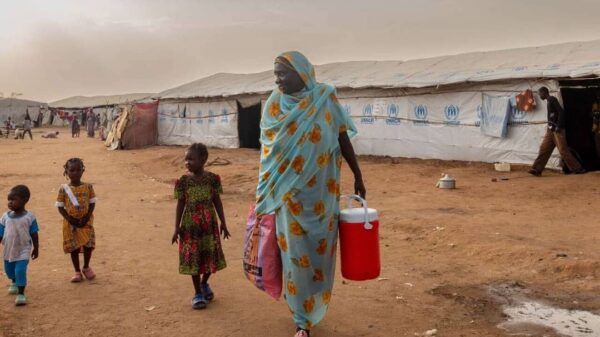
The immediate result: thousands of families are now separated.
In Germany alone, over 12,000 people are awaiting reunification — now blocked by a new legal wall, with no fast-track appeals or humanitarian exemptions.
Is Europe closing the door — or just changing the key?
Analysts say asylum is still possible, but only for those with the “right” profile: the right skills, political status, or access to increasingly narrow legal channels.
Without real European solidarity, the path to safety grows longer, harder — and more brutal than ever.