





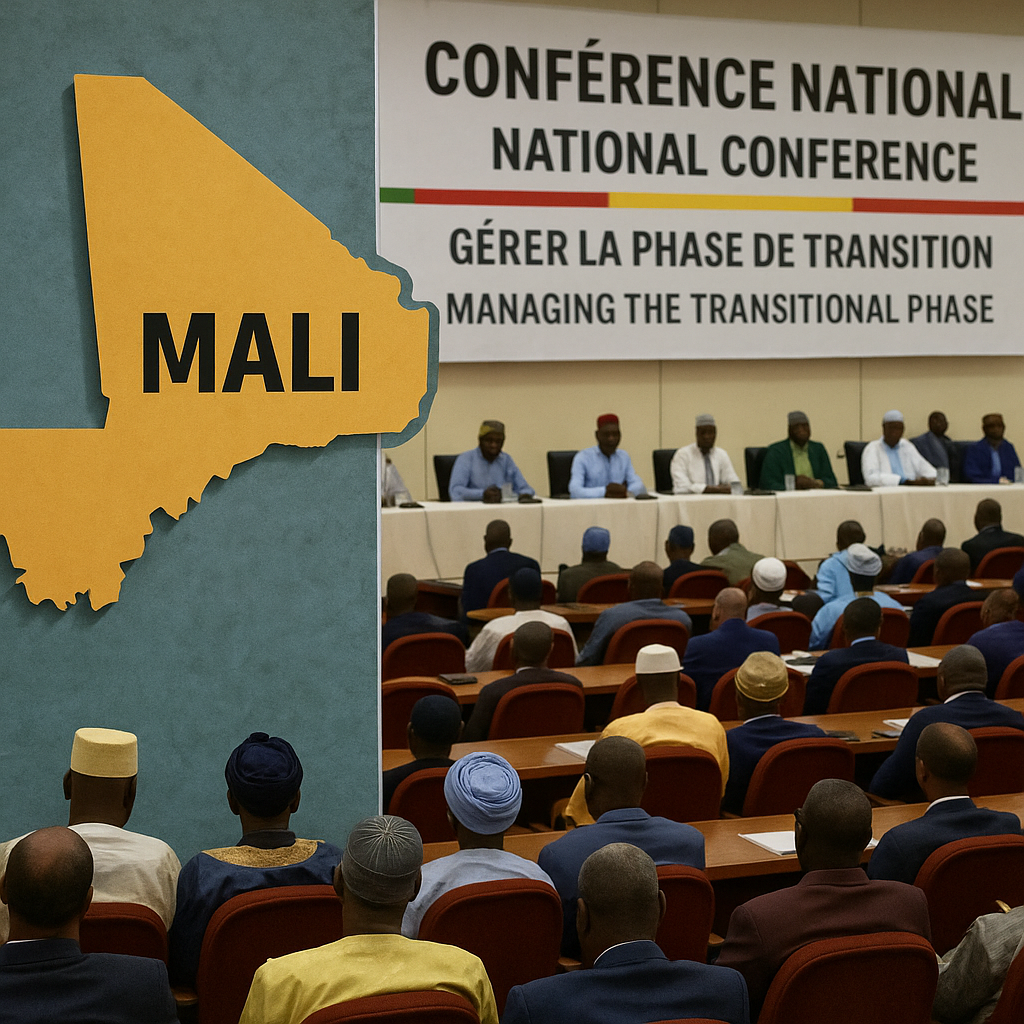
The recommendations emerging from Mali’s National Dialogue Conference represent a critical turning point in the country’s political trajectory, as they reinforce the military’s grip on state institutions under the banner of a “transitional phase.”
Among the most controversial measures are the appointment of Colonel Assimi Goïta, head of the ruling military junta, as transitional president for a five-year term, and the dissolution of all political parties.
These recommendations point to a shift toward entrenching military rule and sidelining political pluralism, raising serious questions about the future of democracy in Mali and the compatibility of such steps with public aspirations and international expectations.
Colonel Goïta, who seized power through two coups in 2020 and 2021, appears intent on extending his rule under the pretense of a transitional government. The elimination of political parties seems aimed at consolidating military dominance and weakening any organized opposition.
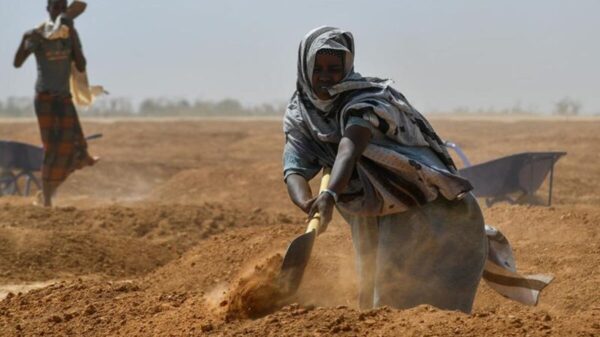
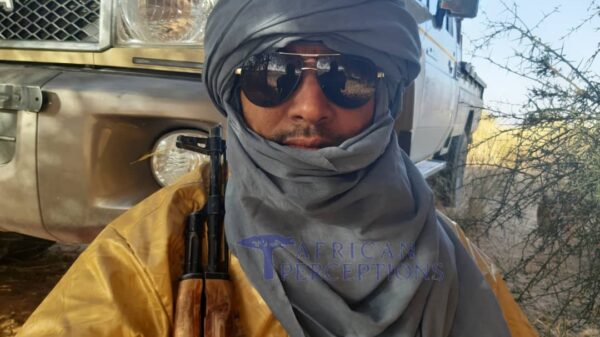
This comes amid a highly complex security environment. Since 2012, Mali has grappled with escalating violence, including attacks by jihadist groups linked to al-Qaeda and ISIS, as well as ethnic conflicts and social unrest.
Politically, these recommendations have drawn criticism from international actors, particularly from the African Union, ECOWAS, and Western powers, all of whom have urged a swift return to civilian rule.
The dissolution of parties further deepens internal polarization and limits broad societal participation in decision-making, thereby undermining the legitimacy of the political process.
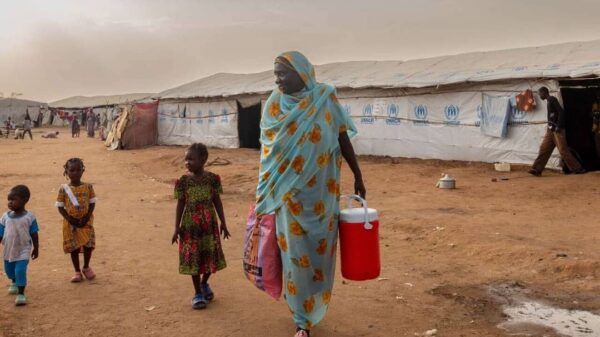
From a security perspective, the military justifies these actions as necessary for “restoring stability.” However, the lack of a clear counterterrorism strategy and effective humanitarian response casts doubt on the efficacy of prolonging the transitional period. The restriction of political freedoms could also serve as a tool for suppressing dissent under the guise of “national unity.”
According to analysts, the conference’s recommendations reflect the military’s desire to solidify its hold on power. Yet, they pose serious challenges to sustainable stability. Without popular legitimacy or international backing, Mali may face growing isolation and internal unrest, particularly if economic and security conditions continue to deteriorate.
The greatest challenge remains striking a balance between security imperatives and political requirements—without entirely abandoning the democratic path.