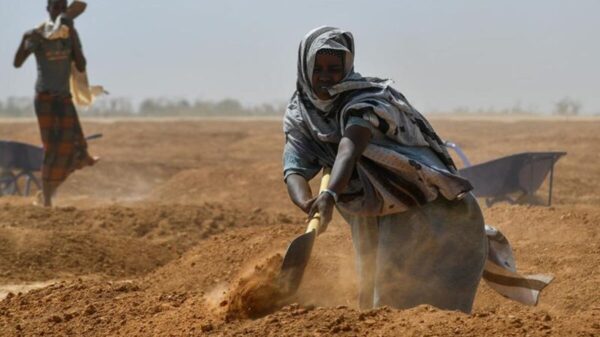










The UN’s Central Emergency Response Fund (CERF) has allocated 110 million dollars to neglected crises across Africa, Asia, and Latin America, amid deep cuts to global humanitarian funding,
UN’s top aid official Tom Fletcher in a statement, said more than 300 million people were in urgent need of assistance.
But funding has been falling annually, and this year’s levels are projected to drop to a record low.
“Brutal funding cuts don’t mean that humanitarian needs disappear; today’s emergency fund allocation channels resources swiftly to where they’re needed most,” he said.
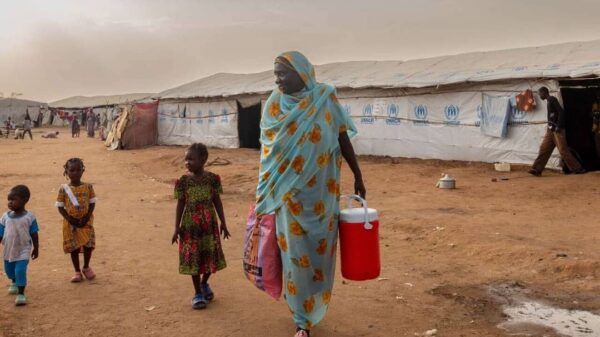
One third of the CERF money will support Sudan and neighbouring Chad, which is home to many uprooted Sudanese.
The funds will also bolster aid response in Afghanistan, the Central African Republic, Honduras, Mauritania, Niger, Somalia, Venezuela, and Zambia.
Part of the allocation will go towards life-saving initiatives to protect vulnerable people from climate shocks too.
Speaking on the situation, UN Children’s Fund’s (UNICEF) Executive Director, Catherine Russell said funding cuts to overseas aid levels in multiple countries were severely limiting the UN Children Fund’s ability to reach millions of children in dire need.
Russell highlighted cuts “by numerous donor countries follow two years of aid reductions at a time of unprecedented need. Millions of children are affected by conflict, need to be vaccinated against deadly diseases such as measles and polio, and must be educated and kept healthy.”
She added that needs are outpacing resources and despite introducing efficiencies and innovation to their work, UNICEF teams have stretched every contribution to its limit.
“But there is no way around it, these new cuts are creating a global funding crisis that will put the lives of millions of additional children at risk.”
Funded entirely by voluntary contributions, the UN children’s agency has helped save millions, making “historic progress”.
Since 2000, global under-fives mortality has dropped by 50 per cent: “UNICEF implores all donors to continue to fund critical aid programs for the world’s children. We cannot fail them now,” Russell underlined.
Offering one snapshot of how cuts and shortfalls in aid are impacting one of the world’s most vulnerable nations, UN Spokesperson Stéphane Dujarric highlighted conditions in Afghanistan.
“Our humanitarian colleagues warn that Afghanistan continues to face a severe humanitarian crisis defined by decades of conflict, entrenched poverty, climate-induced shocks and rising protection risks, especially for women and girls,” he told reporters at the regular daily briefing in New York.
More than half of the population – or 23 million people – need humanitarian assistance in the country, which has been run by the Taliban since they seized power from the democratically elected Government in August 2021.
Nearly 3.5 million children under five and more than a million pregnant and breastfeeding women are expected to become acutely malnourished, while explosive hazards continue to pose a lethal threat following decades of brutal civil conflict.
An estimated 55 people are killed or injured by ordnance every month – most of them are children.
“Funding cuts are already significantly constraining the humanitarian community’s efforts to provide assistance to those most in need,” Dujarric said.