











Nigeria’s economy is experiencing significant growth in trade and foreign investment inflows due to economic reforms implemented by the Presisent Bola Tinubu administration,.
TheChairman, Independent Media and Policy Initiative (IMPI), Omoniyi Akinsiju said in a statement on Wednesday in Abuja.
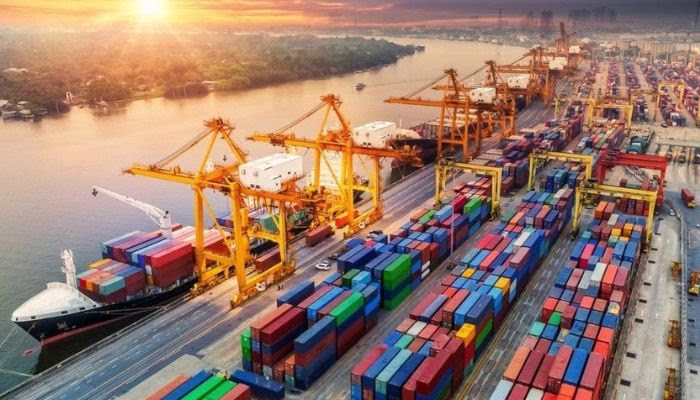
“Nigeria’s total trade volume reached a historic high of N138 trillion in 2024, representing a 106 per cent increase from the previous year.
“The surge is attributed to the harmonisation of foreign exchange rates and the removal of fuel subsidies, key policies under Tinubu’s reform agenda.
“Total exports nearly doubled, rising by 96.3 per cent to N60.59 trillion in 2024, with crude oil exports accounting for 36 billion dollars,” he said.
The IMPI also noted a shift in Nigeria’s trade dynamics, with Africa emerging as the largest export destination, due to increased intra-African trade under the African Continental Free Trade Area (AfCFTA).
“Additionally, foreign exchange inflows into Nigeria rose by 41 per cent in 2024, reaching 79.8 billion dollars, with Foreign Direct Investment (FDI) also witnessing significant growth.
“When final figures for 2024 are tallied, Nigeria is expected to have attracted around 21 billion dollars in foreign investments, including 17 billion dollars from the Nigerian National Petroleum Corporation Limited (NNPCL).
“This has enormous implications for the country’s productivity, job creation, and wealth creation. Foreign investors are naturally drawn to economies that promise higher returns than those in their home countries,” he said.
The chairman said in spite these gains, there are concerns over the declining growth of the agriculture sector.
“This growth distortion has been attributed to the worsening impact of climate change, high input costs, and inadequate funding for farmers.
“It resulted from the trailing effect of the scrapping of the Anchor Borrowers’ Programme (ABP), an initiative that provided cheap input credits for farmers. This implies a reduced or non-intervention in the agriculture sector in 2024,” he said.
The IMPI chairman called for sustained policy measures to address agricultural challenges and ensure that economic gains translate to broader benefits for Nigerians.
“We hope these agriculture sector-related challenges will be addressed, especially considering the N1.5 trillion Bank of Agriculture (BOA) recapitalisation as provided in the 2025 Appropriation Act.
” This institutionalisation of funding channels to the agriculture sector is a more nuanced and sustainable approach to intervention in the industry.