











The Cadre Harmonisé (CH) Report for October has predicted that at least 33.1 million people in 26 states and the FCT would face food and nutrition crisis between June and August 2025.
The prediction came from the CH Analysis Report released on Friday in Abuja.
The analysis was conducted by the UN Food and Agriculture Organisation (FAO), World Food Programme (WFP), Federal Ministry of Agriculture and Food Security, and other partners.
The affected states are Sokoto, Zamfara, Borno, Adamawa, Yobe, Gombe, Taraba, Katsina, Jigawa, Kano, Bauchi, Plateau, Kaduna, Kebbi, Niger and Benue.
Others are Cross River, Enugu, Edo, Abia, Kogi, Nasarawa, Kwara, Ogun, Lagos, Rivers, and the FCT.
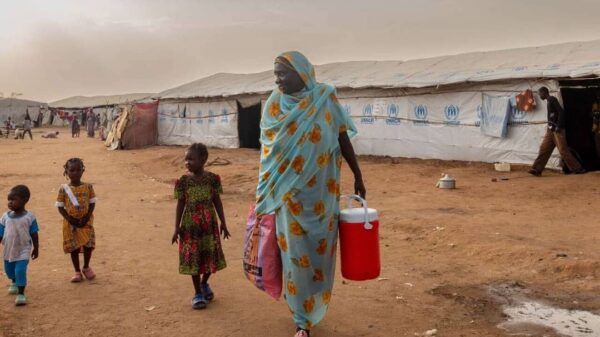
The report indicates that this figure includes 514,474 Internally Displaced Persons (IDPs) in Borno, Sokoto, and Zamfara.
It revealed that approximately 25 million people across the 26 states and the FCT are currently experiencing food crises.
Kouacou Koffy, FAO Country Representative to Nigeria and ECOWAS called for urgent attention and a unified approach to address food and nutrition security in the country.
He stated, “With the concerted efforts of the government, CH stakeholders, and the international community, we can move closer to alleviating hunger and reducing suffering for Nigeria’s most vulnerable populations.
“We are facing unprecedented challenges affecting livelihoods and food and nutrition security globally, regionally, and nationally”.
Koffy said that Nigeria is experiencing a combination of shocks, including economic factors affecting the prices of staple crops and agricultural commodities, climate-related events such as floods and droughts, and insecurity.
He explained that the goal of CH workshops is to analyse available food security data and contributing factors to identify populations and areas at risk of food and nutrition insecurity in the country.
According to him, these workshops also aim to propose appropriate measures to prevent or mitigate ongoing food crises.
He stated, “CH analysis is the most reliable and widely accepted early warning tool for humanitarian programming, food security, and livelihood response targeting, as well as for prioritising development programmes”.
Temitope Fashedemi, Permanent Secretary of the Federal Ministry of Agriculture and Food Security, pledged the government’s commitment to applying the findings of the report to guide food and nutrition security programmes across states.
Balama Dauda, CH Focal Person for the National Programme on Food Security, identified key drivers of the food crisis as high prices of foodstuffs and non-food items, flooding, and insecurity.