

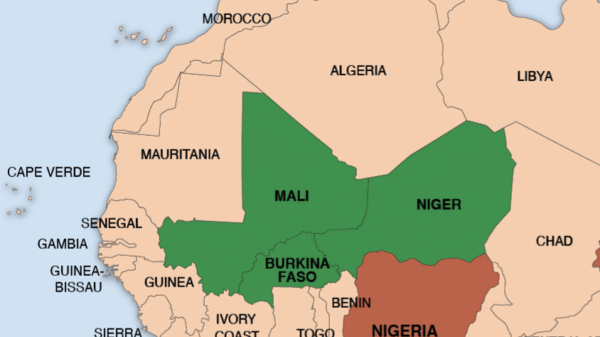




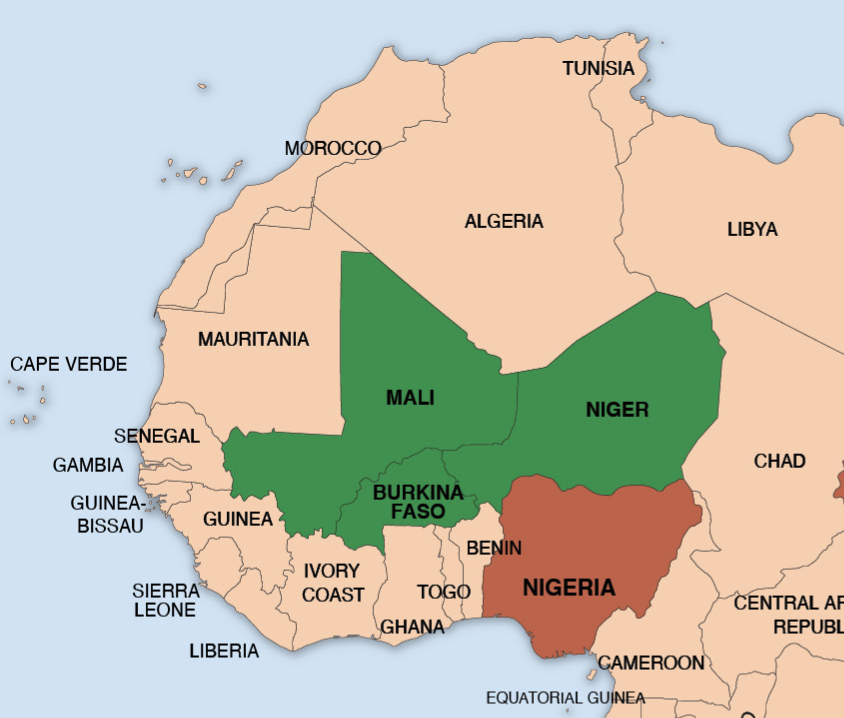
Remarks by Nigerian President Bola Ahmed Tinubu linking his country’s worsening security crisis to instability in Mali, Burkina Faso, and Niger have triggered a new diplomatic dispute with the Sahel Alliance states, prompting Ouagadougou to summon Nigeria’s chargé d’affaires in protest.
A summons backed by all three allies
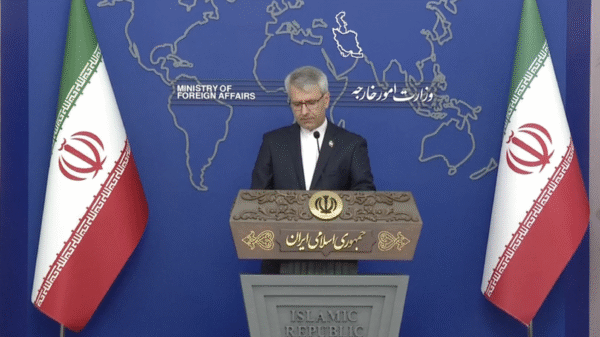
The summons took place on the evening of Thursday, August 6, and was attended by the chargés d’affaires of Mali and Niger as well — a clear show of unity among the three Alliance states. Burkinabè Foreign Minister Karamoko Jean Marie Traoré described Tinubu’s comments as inaccurate and out of step with the solidarity that should exist between neighboring countries facing a shared threat. He called them evidence of “troubling bias” from Nigeria’s highest office, and said they diminished the sacrifices made by Sahel forces and civilians in the fight against armed groups.
The backdrop: a hostage crisis in Oyo State
Tinubu made the remarks on July 30 during a meeting with traditional leaders, saying that some of the armed men active inside Nigeria are not Nigerian nationals, and that worsening insecurity in Mali, Burkina Faso, and Niger was compounding his country’s own challenges. He called for strengthening domestic security forces to confront armed groups, kidnapping networks, and organized crime operating across borders.
The comments came days after a security operation freed students and teachers who had been abducted from three schools in the Eruwa area of Oyo State, in southwestern Nigeria. Gunmen had attacked the schools on May 15, kidnapping 39 students and 7 teachers; reports indicated one teacher was killed during the attack or while in captivity. Nigerian authorities announced the hostages’ release on July 10, after 56 days in captivity, following a joint operation involving several security and military agencies. Eight suspects were reported arrested, and officials denied paying any ransom.
“The real enemies are elsewhere”
Traoré rejected placing responsibility for Nigeria’s deteriorating security situation on the Sahel states, stressing that all four countries face the same threat, and that successes by Alliance forces against armed groups benefit the wider region — including Nigeria — by limiting these groups’ freedom of movement across borders.
He said the Alliance states would have preferred a more accurate account of the situation rather than one that shifts blame onto neighboring countries facing a complex crisis, warning that such framing risks deepening misunderstanding among peoples bound by shared history, geography, and kinship. “We are not responsible for what is happening to us,” he said. “We are the ones paying the price, but the real enemies are elsewhere.”
Cross-border links between armed groups
Traoré acknowledged links between Boko Haram and some armed groups active in the Sahel, but said the Alliance states had deliberately avoided publicly accusing Nigeria, favoring an approach built on cooperation and shared responsibility instead. He argued that blaming neighboring states for a complex security crisis risks obscuring the cross-border nature of these threats and undermining regional coordination against them.
Groups linked to al-Qaeda and the Islamic State operate across the Sahel and Lake Chad Basin, alongside Boko Haram, its breakaway factions, and criminal networks specializing in kidnapping and smuggling. Long, porous borders and a limited state presence in some areas allow these groups to move freely between countries, making intelligence-sharing and regional military coordination essential to countering them.
A dispute layered onto tensions dating to 2023
This latest crisis unfolds against a backdrop of strained ties between Nigeria and the Sahel Alliance states dating back to the July 2023 coup that ousted Nigerien President Mohamed Bazoum. Nigeria, then chairing the Economic Community of West African States (ECOWAS), backed sanctions against Niger and threatened military intervention to restore constitutional order, before later lifting most of those sanctions.
Tensions escalated further after Mali, Burkina Faso, and Niger opted to withdraw from ECOWAS and form a separate political and defense alliance, with the withdrawal becoming official in early 2025. The three military-led governments accused ECOWAS of failing to provide adequate support against armed groups and of imposing sanctions that harmed their populations. The unraveling of some regional cooperation arrangements has since complicated intelligence-sharing, joint operations, and cross-border coordination — particularly along the long Nigeria-Niger border.
Tensions flared again in December 2025, when a Nigerian military transport aircraft made an emergency landing in Bobo-Dioulasso, Burkina Faso, while en route to Portugal for maintenance. The Sahel Alliance described the unauthorized entry into Burkinabè airspace as an “unfriendly act” before releasing the crew and 11 passengers following diplomatic contacts.
Calls to restore cooperation
Despite the dispute, Traoré affirmed the Alliance states’ readiness to keep engaging with Nigeria and to work together on shared security threats. For its part, Abuja has sought to preserve cooperation channels with the Sahel states against armed groups and cross-border criminal networks, despite the political rift between the Alliance and ECOWAS. Nigerian Defense Minister Christopher Musa has previously called for regional cooperation bringing together the Sahel Alliance and ECOWAS to confront armed insurgency, arguing that the complexity of West Africa’s security landscape demands a coordinated front that rises above political divisions.
The dispute lays bare a paradox facing the region: as diplomatic friction between Nigeria and its Sahel neighbors grows, the security threats confronting these countries remain deeply interconnected — and cannot be effectively contained without cross-border intelligence and military cooperation.