













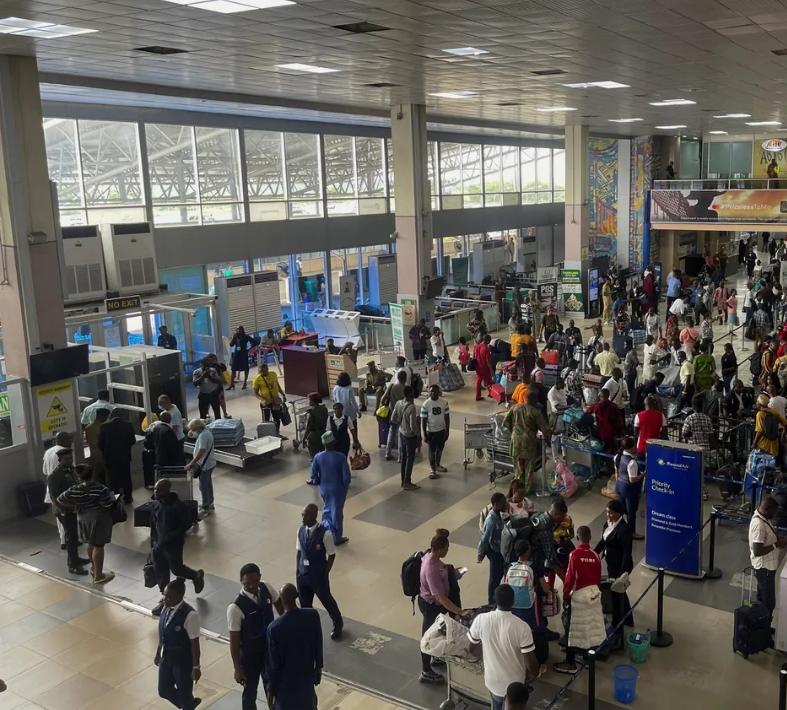
Nigeria’s domestic aviation sector has narrowly avoided a complete shutdown after President Bola Tinubu approved emergency measures to support airlines facing a sharp surge in fuel costs.
The intervention followed urgent consultations in Abuja, days after airline operators warned they would suspend domestic flights due to mounting financial losses driven by rising operational expenses.
At the core of the measures is a proposed debt relief package aimed at easing financial pressure on carriers through concessions on obligations owed to aviation agencies.
Authorities indicated that the plan covers debts to key institutions, while discussions continue on the scope of relief requested by airline operators.
In parallel, the government has initiated a review of taxes and levies applied to the sector, with the aim of simplifying the structure and reducing cost pressures.
Officials say the process could result in adjustments that affect pricing and operational sustainability across the industry.
The crisis has been driven primarily by a sharp increase in aviation fuel prices, which have risen significantly over a short period due to global market disruptions.
These disruptions are linked to geopolitical tensions that have affected supply chains and increased energy costs.
The impact has extended beyond Nigeria, with international airlines also adjusting operations in response to higher fuel prices and route constraints.
Despite the intervention, uncertainty remains, as industry operators continue to await concrete implementation of the announced measures.
Discussions are ongoing between authorities and fuel suppliers to address supply stability and pricing concerns.
Airline operators are also seeking financial support mechanisms to sustain operations amid continued volatility.
For now, domestic flights continue, but stakeholders warn that the situation remains fragile without swift and effective policy execution.