









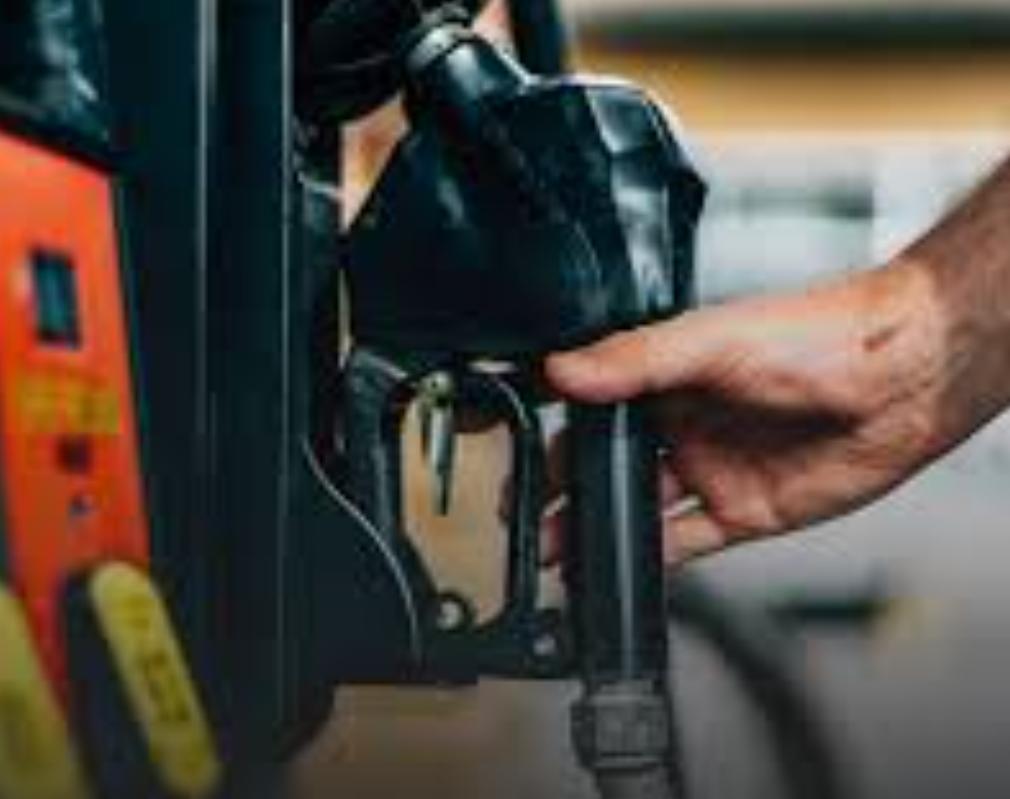
The government of Ghana has introduced a one-month temporary intervention aimed at easing the impact of rising global fuel prices on consumers, as volatility in international markets continues, particularly in the Middle East.
Under the policy, which took effect on April 16, the government will absorb part of fuel costs to stabilize pump prices, covering GH¢2.00 per litre of diesel and GH¢0.36 per litre of petrol.
The Ministry of Energy described the move as a necessary sacrifice to shield households and businesses from sudden price increases, despite the fiscal implications.
Government estimates indicate the measure will result in a revenue shortfall of around GH¢200 million over the one-month period, with officials emphasizing that the intervention is temporary and subject to review depending on global oil market trends.
In parallel, authorities have instructed the Ministry of Transport to fast-track the deployment of 100 additional buses under the Metro Mass Transit system to provide more affordable transportation, particularly in major urban areas.
Fuel pricing remains under the oversight of the National Petroleum Authority, which manages a deregulated market. For the current pricing window, the minimum price floor has been set at GH¢13.27 per litre for petrol and GH¢16.10 per litre for diesel, reflecting recent adjustments.
Actual retail prices may vary across oil marketing companies due to differences in operational costs, margins, and supply dynamics within the liberalized system.
Officials say the intervention is part of a broader strategy to maintain price stability and support economic recovery, while analysts note the challenge of balancing fiscal discipline with short-term relief.
The coming weeks will be critical as authorities monitor global oil price movements and assess whether further measures will be needed.