










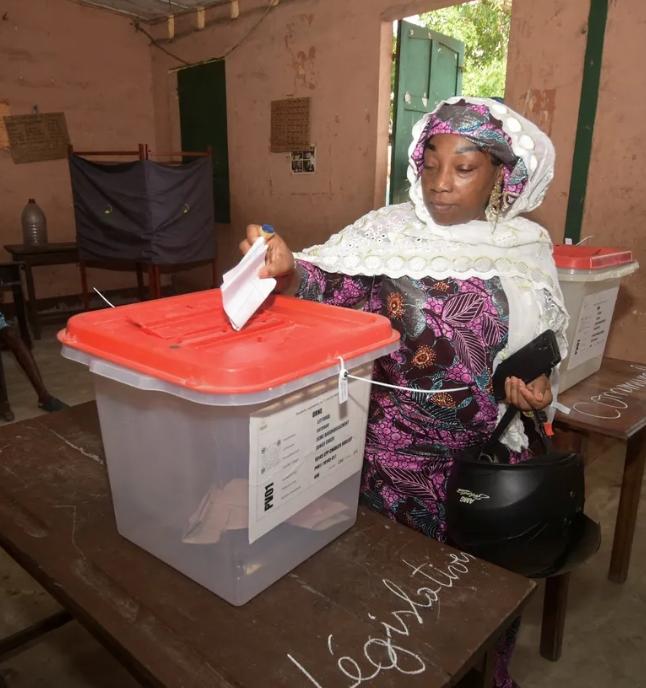
Cotonou, April 12, 2026 — Voters in Benin have gone to the polls in a pivotal presidential election marking the end of President Patrice Talon’s decade-long tenure, testing the country’s democratic resilience amid rising political and security pressures.
Transition of power
Talon is stepping down after serving the constitutional limit of two five-year terms. His administration has been credited with major economic reforms, including infrastructure expansion and sustained GDP growth exceeding 6% annually.
However, critics argue that these gains have not translated into broad improvements in living standards, with inequality persisting.
The leading candidate is Finance Minister Romuald Wadagni, widely seen as the ruling coalition’s preferred successor and a key architect of the country’s economic policies.
Limited opposition participation
The election’s credibility has been questioned due to the absence of the main opposition party, The Democrats, which failed to meet new requirements mandating parliamentary endorsements for candidates.
The only challenger is Paul Hounkpè of the Cowry Forces for an Emerging Benin (FCBE), with analysts describing the race as largely symbolic.
Constitutional changes reshape the system
This is the first election under a revised constitutional framework adopted in November 2025, extending the presidential term from five to seven years and aligning presidential and legislative elections, with the next general elections scheduled for 2033.
Supporters argue the reform enhances stability and reduces costs, while critics warn it may consolidate executive power and weaken democratic accountability.
Persistent challenges
Despite economic progress, more than 30% of the population remains below the poverty line, highlighting structural inequalities.
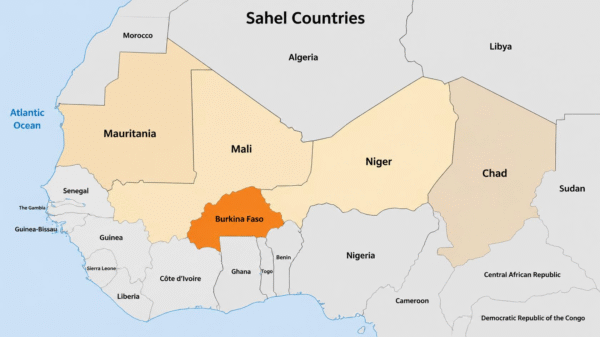
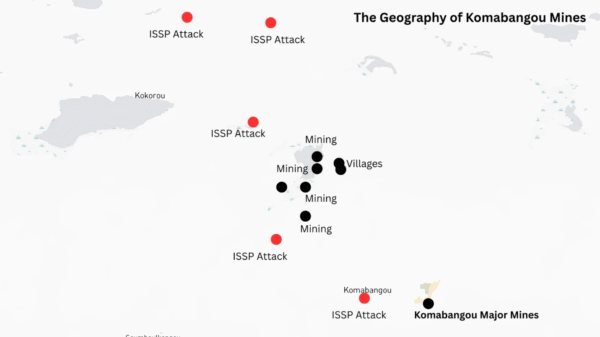
Security concerns are also rising, particularly in northern regions bordering the Sahel, where extremist groups have expanded their presence.
The political climate remains tense following a reported failed coup attempt in December 2025 and ongoing concerns about restrictions on political freedoms and media space.
Outlook
As voting proceeds, the outcome is expected to shape Benin’s political trajectory for years to come.
Perceptions of legitimacy and inclusiveness will be key in determining whether the election reinforces democratic norms or deepens existing divisions, as international observers closely monitor the process.