







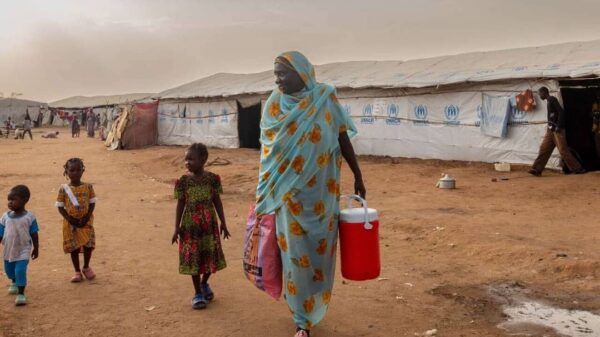




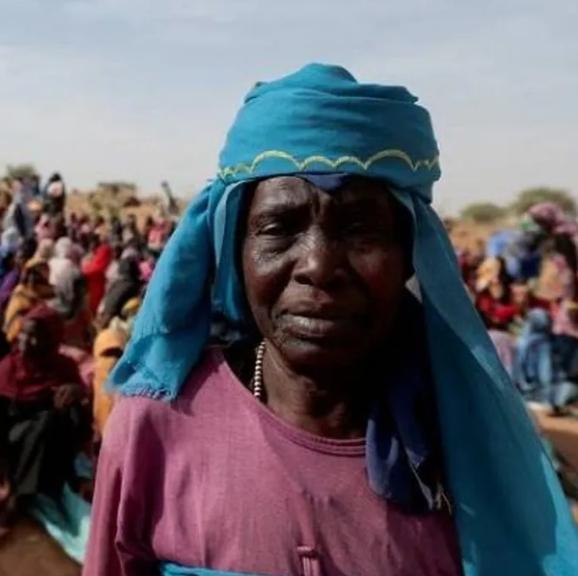
Chad is facing a deepening humanitarian emergency as critical assistance for more than one million Sudanese refugees is at risk due to a severe funding gap, according to a joint report by the UNHCR and the World Food Programme.
The agencies warn that without immediate financial intervention, life-saving services—including food, water, shelter, and education—could collapse in the coming months.
Mounting funding crisis
The United Nations estimates that $428 million is required to sustain humanitarian operations in Chad through the end of 2026. However, a significant shortfall threatens ongoing efforts:
- UNHCR faces a $289 million deficit
- WFP is short by $139 million
The report notes that WFP currently has less than half the resources needed to provide adequate food supplies, while UNHCR ended 2025 with only one-third of its required funding.
Officials attribute the funding gap partly to shifting global priorities, as some donor countries redirect spending toward defense. Although the United States has pledged a broader $2 billion aid package for Sudan and Chad, disbursements have yet to match urgent needs.
Severe impact on refugees
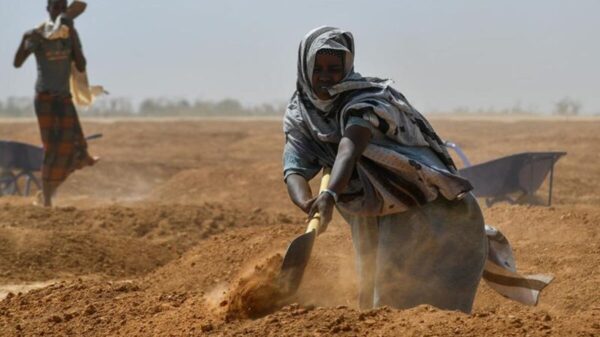
The consequences are already visible in refugee camps, particularly in eastern Chad, where conditions are rapidly deteriorating:
- Food security: rations cut by half
- Water access: supplies below half minimum standards in some camps
- Shelter: around 80,000 families lack proper housing
- Education: classrooms exceeding 100 students per teacher
- Relocation: about 243,000 refugees remain near border areas due to lack of funding
Aid workers warn that such conditions are forcing refugees into extreme coping mechanisms, including skipping meals and pulling children out of school, increasing exposure to exploitation.
Eastern Chad under strain
Eastern Chad remains the epicenter of the crisis, driven by continued displacement from Sudan. Since January 2026, nearly 15,000 new arrivals have crossed into the country.
Refugees now account for roughly one-third of the population in some areas, placing immense pressure on infrastructure and services. Ongoing violence in Darfur, particularly in El Fasher, continues to drive displacement.
Urgent warnings
WFP Country Director Sarah Gordon-Gibson warned that current funding levels are insufficient to sustain even basic operations, noting that refugees are being pushed into “devastating coping strategies.”
Humanitarian agencies are calling for urgent international action to close the funding gap and stabilize aid delivery, warning that delays could trigger a large-scale humanitarian catastrophe.
Outlook
With conflict in Sudan ongoing and displacement expected to rise, Chad’s capacity is nearing its limits.
The coming weeks will be critical in determining whether donors step in to prevent the collapse of essential services or risk long-term humanitarian and regional consequences.