










The battle for Wereta in South Gondar on Feb. 13-14 is the latest sign that fighting in Ethiopia’s Amhara region is moving beyond a “local rebellion” and increasingly becoming a direct political and security test of the federal state’s ability to project authority outside major cities, as Prime Minister Abiy Ahmed faces multiple active fronts and mounting economic pressure.
A Logistics Hub Turns into a Power Test
Wereta – also spelled Woreta – sits in South Gondar on a road network linking areas around Lake Tana with routes toward Bahir Dar, Gondar and Debre Tabor, making it a sensitive transit point for military movement and supply in the heart of Amhara.
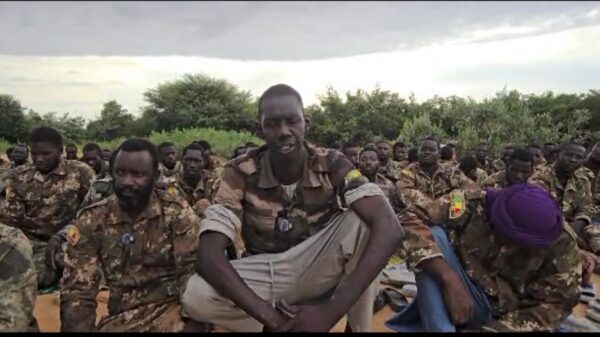
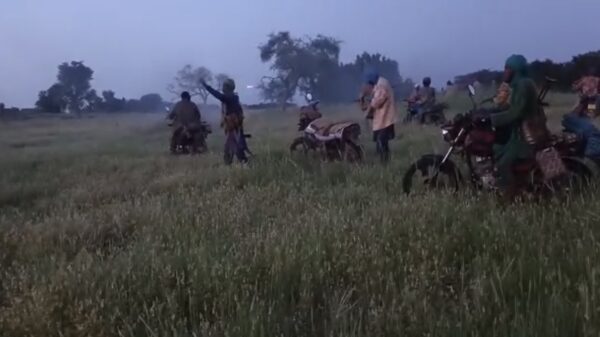
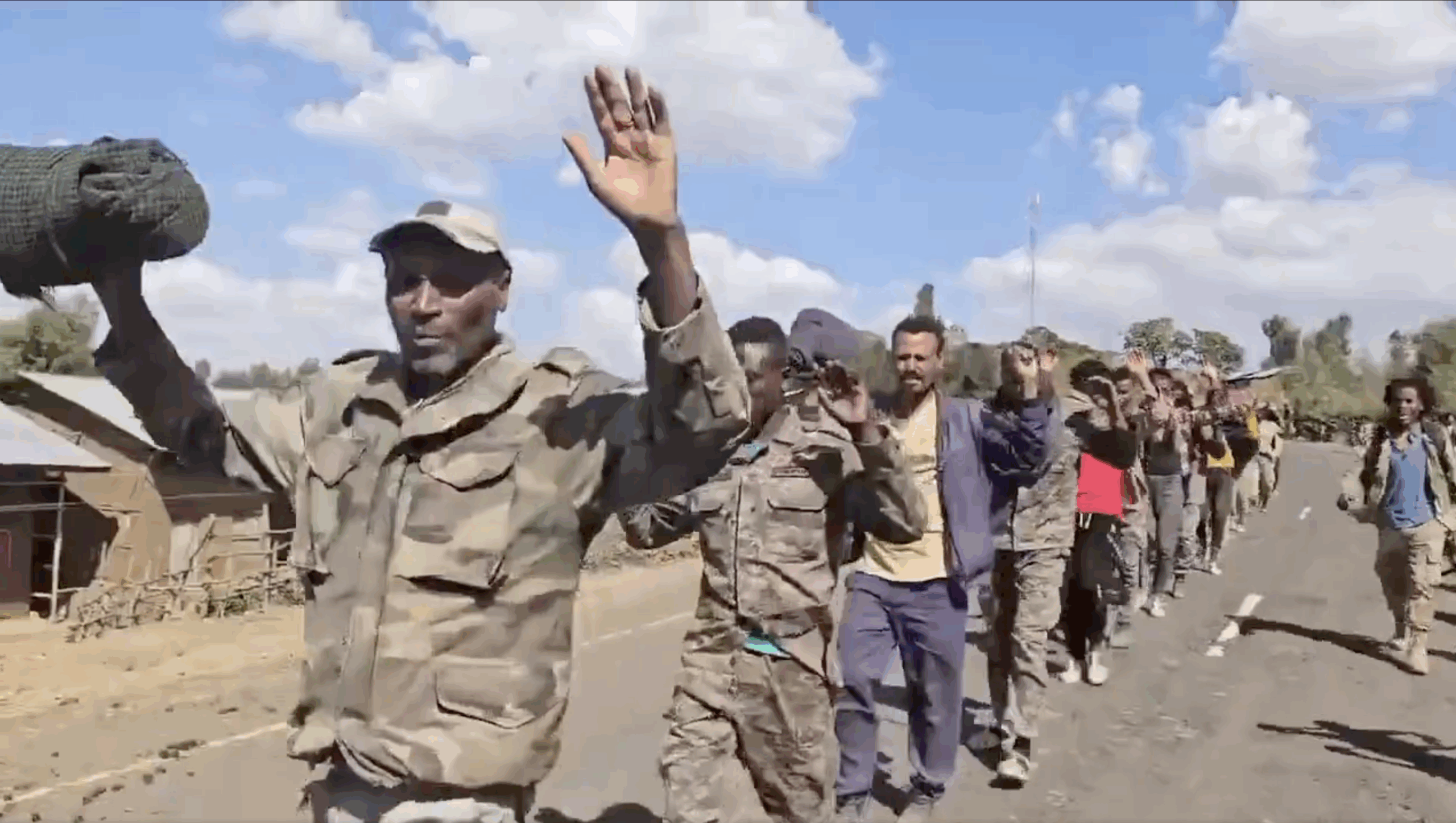
Accounts circulated on platforms linked to Fano said fighting erupted on Feb. 13-14 and lasted about 13 hours near the Alem Saga axis, ending with the withdrawal of federal forces and the capture of some soldiers and weapons. Reuters could not independently verify those claims due to security restrictions and communications outages in parts of the region.
Alem Saga: A Social Layer to Battlefield Calculus
The reported proximity of the clashes to Alem Saga – described in local accounts as a Muslim-majority area – adds a social layer to the conflict. Fano has sought to present itself as a cross-religious “national liberation” movement rather than an ethnic Amhara militia with historically Christian roots, aiming to secure support and avoid opening internal fault lines in mixed or sensitive areas.
From Government Ally to Government Foe
Fano’s roots lie in informal self-defence formations that backed federal forces during the 2020-2022 Tigray war. The relationship shifted after the government moved in 2023 to dissolve regional forces and integrate them into federal structures, a step many in Amhara saw as disarmament that would weaken the region’s ability to protect itself.
Since then, Fano has benefited from decentralised organisation, mobility in rural terrain, and defections or transfers of local armed elements – with weapons – into its ranks. That has enabled it to evolve from guerrilla tactics toward pressure on urban centres and key road axes, turning supply lines and secondary roads into targets as much as symbols of control.
What Wereta Says About the Federal Army
If the battle’s contours are broadly accurate, the duration and intensity underscore a compound challenge for the Ethiopian National Defence Force (ENDF): manpower fatigue after years of war and reduced ground readiness against fighters who frame themselves as defending “villages and identity” — a familiar dynamic in insurgencies where morale and terrain knowledge can offset numerical strength.
The broader pattern in Amhara also points to the limits of a purely military approach. Reports have described continued clashes around Debre Tabor and across South Gondar, suggesting a chronic conflict in which repeated emergency measures have not restored state control over rural areas and secondary routes.
The “Breadbasket” Economy Under Strain
Amhara is among Ethiopia’s most important agricultural regions. Prolonged disruption along transport corridors and local markets can quickly affect food prices and the flow of goods to Addis Ababa and other major cities. As fighting spreads, seasonal trade disruption and trucking delays add to cost-of-living pressures. .
Ethiopia in 2026: Multiple Fronts Narrow Abiy’s Options
Wereta comes as Oromia remains a battleground against an armed insurgency, and as tensions have re-emerged in Tigray in recent weeks, complicating the allocation of forces and resources. Addis Ababa also faces wider Horn of Africa disputes, further narrowing its military and political room for manoeuvre.
Drone Warfare as a Substitute for Ground Control
As fighting expands and ground control becomes harder to sustain, drones have become a central tool in government operations in Amhara, amid repeated reports of air strikes and casualties — including incidents that hit allied forces by mistake, according to media reports citing local officials and witnesses.
That reliance increases the likelihood of aerial retaliation against hubs such as Wereta if Addis Ababa judges that losing road nodes threatens supply lines. But past internal conflicts suggest airpower can disrupt opponents without decisively ending an insurgency unless paired with political accommodation or locally accepted security arrangements.
Humanitarian Toll as Fighting Moves Closer to Towns
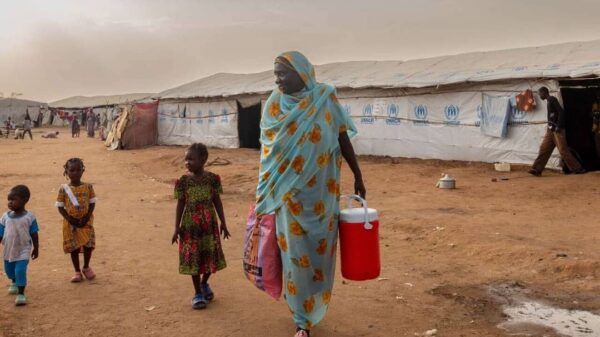
Urban and peri-urban fighting raises the risks of internal displacement and service breakdown, especially amid reported communications blackouts that hamper verification of casualties. As accusations and counter-claims intensify, civilians remain most exposed to heavy weapons, sweeps and potential detention along shifting front lines.
The ENDF setback — or withdrawal — in Wereta, even if key details remain difficult to verify, reinforces the picture of an “Amhara stalemate”: a conflict widening geographically, draining the state economically and militarily, and turning Fano from a local phenomenon into a structural challenge to Ethiopia’s federal centre.