











The Nigerian military has confirmed the killing of a senior commander of the Islamic State West Africa Province, describing the operation as a significant breakthrough in its counterinsurgency campaign in northeastern Nigeria.
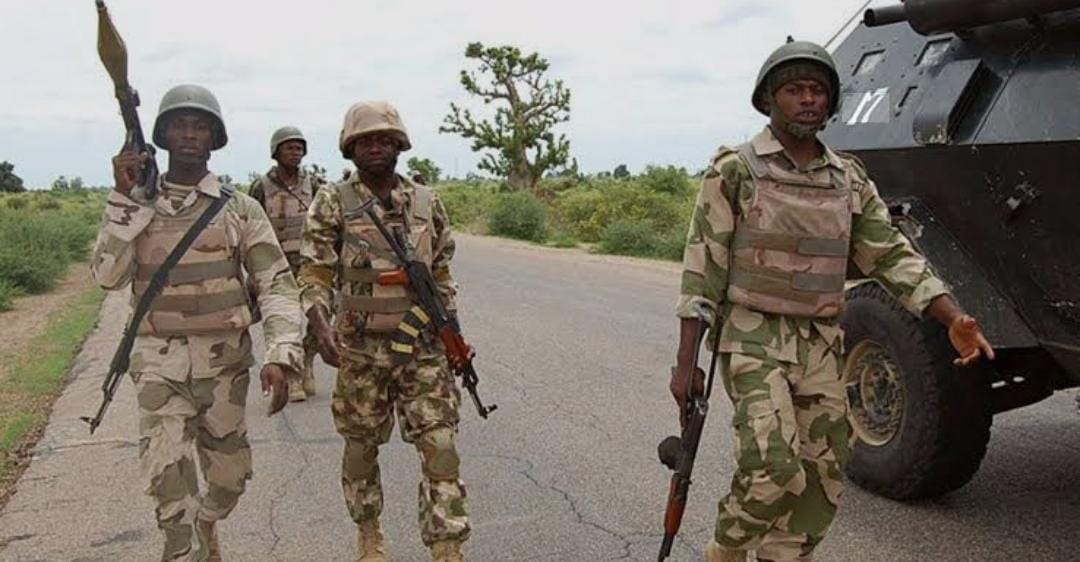
According to official statements from the Defence Headquarters and intelligence briefings from Operation Hadin Kai, Nigerian troops on Friday, January 30, carried out a targeted operation in the Kimba area of Damboa Local Government Area in Borno State, resulting in the death of an ISWAP commander known as “Julaibib.”
Military officials said Julaibib was a key operational figure responsible for coordinating attacks across the so-called Timbuktu Triangle, a forested insurgent stronghold spanning the Gujba–Damboa–Alagarno axis. The area has long been considered one of the group’s most resilient operational zones.
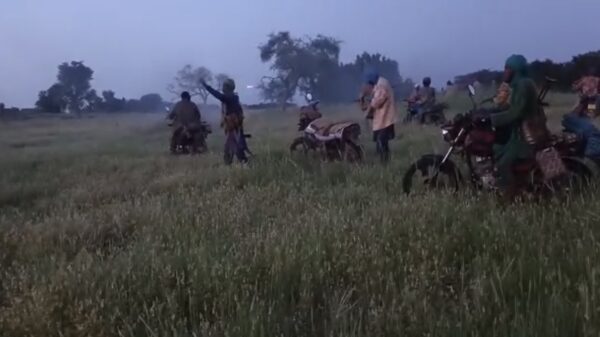
Speaking on behalf of Operation Hadin Kai, a military spokesperson said Julaibib was killed during a fierce exchange of fire with Nigerian forces. Several of his fighters were also killed, while others fled the scene with gunshot wounds.
Military intelligence assessments indicate that Julaibib’s death has created a significant leadership gap within ISWAP’s operations along the Gujba axis, triggering confusion and internal disruption among militant cells in the area.
Surge in Violence Across Borno
The operation comes amid intensified military activity and continued insurgent violence across Borno State in late January.
On the same day, joint forces of the Nigerian Army and the Civilian Joint Task Force reportedly killed three suspected militants in a separate ambush within the Timbuktu Triangle, recovering multiple assault rifles.
Earlier in the week, on January 29, suspected insurgents attacked a construction site in Sabon Gari, killing at least 25 workers in one of the deadliest assaults on civilian infrastructure projects in recent months.
Security forces also suffered losses. On January 28, militants used armed drones in an attack on a military base in Sabon Gari, killing nine soldiers and two Civilian Joint Task Force members. In another incident on January 23, fighters ambushed a military patrol near the Niger border in the Damask area, killing nine soldiers. Several personnel remain missing, with search operations ongoing.
Shifting Tactics, Ongoing Operations
The Nigerian military has intensified clearance operations across the Sambisa Forest and the Lake Chad Basin over the past three weeks, targeting insurgent camps, supply routes, and command centers. While the elimination of senior commanders is viewed as a tactical success, analysts warn that militant groups continue to adapt.
Security assessments suggest fighters are increasingly relying on improvised explosive devices and commercially modified drones to disrupt military logistics and target development projects, rather than engaging in sustained direct confrontations.
At the state level, authorities have reaffirmed their commitment to reconstruction and resettlement efforts. However, the recent spike in attacks has led to the temporary suspension of some road construction projects in southern Borno due to security concerns.
Officials say the coming weeks will be critical in determining whether recent blows to ISWAP leadership can be translated into lasting security gains across northeastern Nigeria.