











A recent report by the Armed Conflict Location & Event Data Project (ACLED) has warned of a sharp escalation in violence across West and Central Africa, cautioning that previously separate conflict hotspots are merging into a continuous arc of instability.
The report says that more than 10,000 people were killed last year in Burkina Faso, Mali and Niger, as armed groups intensified their operations.
Major jihadist organisations, including the Group for the Support of Islam and Muslims (JNIM) and Islamic State, have expanded their cross-border activities, strengthening their presence in northern Benin, Niger and Nigeria.
Northern Benin experienced its deadliest period on record, with fatalities rising by 70%. An April attack in which more than 50 soldiers were killed inside W National Park ranked among the deadliest incidents documented.
The report highlights a particularly dangerous trend: jihadist groups in the Sahel are now consolidating their foothold and cooperating with counterparts in northern and western Nigeria, effectively merging two conflict theatres that had previously remained distinct.
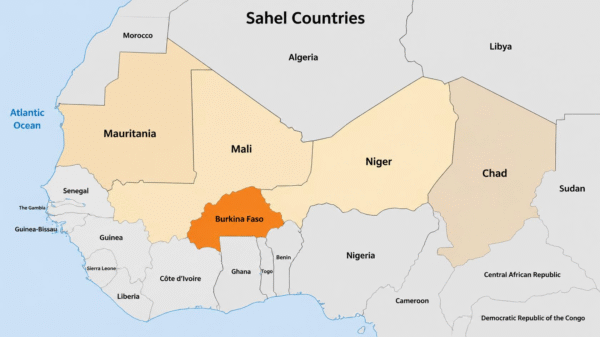
The tri-border area linking Mali, Burkina Faso and Niger—along with its extensions into Benin and Nigeria—has now emerged as the central hub of conflict in West Africa.
In Mali, while overall fatality figures have remained relatively stable, tactics have shifted in an alarming way, with systematic attacks on fuel convoys triggering economic blockades and an unprecedented surge in violence across several regions—the highest levels recorded since data collection began in 1997.