







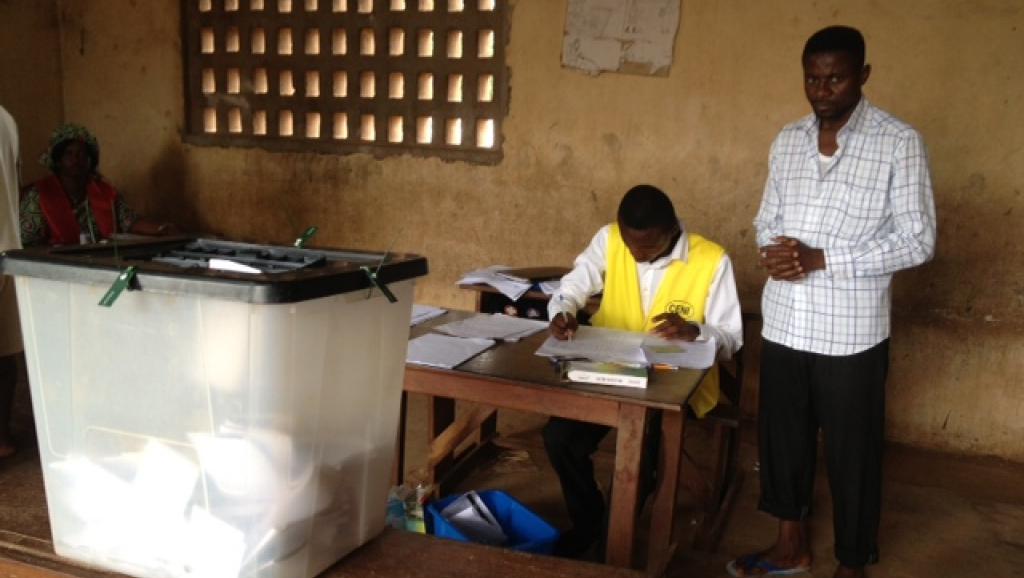
Togo is holding crucial local elections in a climate of political unrest, following months of violent protests sparked by a controversial constitutional reform.
The elections are taking place under tight security, with growing calls from the population to end the Gnassingbé family’s 56-year rule.
The reform, passed by parliament in April, shifted the country’s system from a presidential to a parliamentary one, allowing President Faure Gnassingbé to become a powerful Prime Minister while relegating the presidency to a ceremonial role.
The move ignited public outrage, leading to deadly protests in which at least seven people were killed, according to human rights organizations.
The electoral process faces serious challenges: opposition factions have called for a boycott, land borders have been closed, and the capital Lomé is under heavy police presence.
Observers see these elections as a key test of popular support following the recent constitutional crisis.
The Gnassingbé family has ruled Togo since 1967, when the current president’s father seized power in a military coup—making it one of Africa’s longest-running political dynasties.
The government faces mounting accusations of suppressing opposition voices and curbing civil liberties, amid growing youth-led protest movements across the country.