











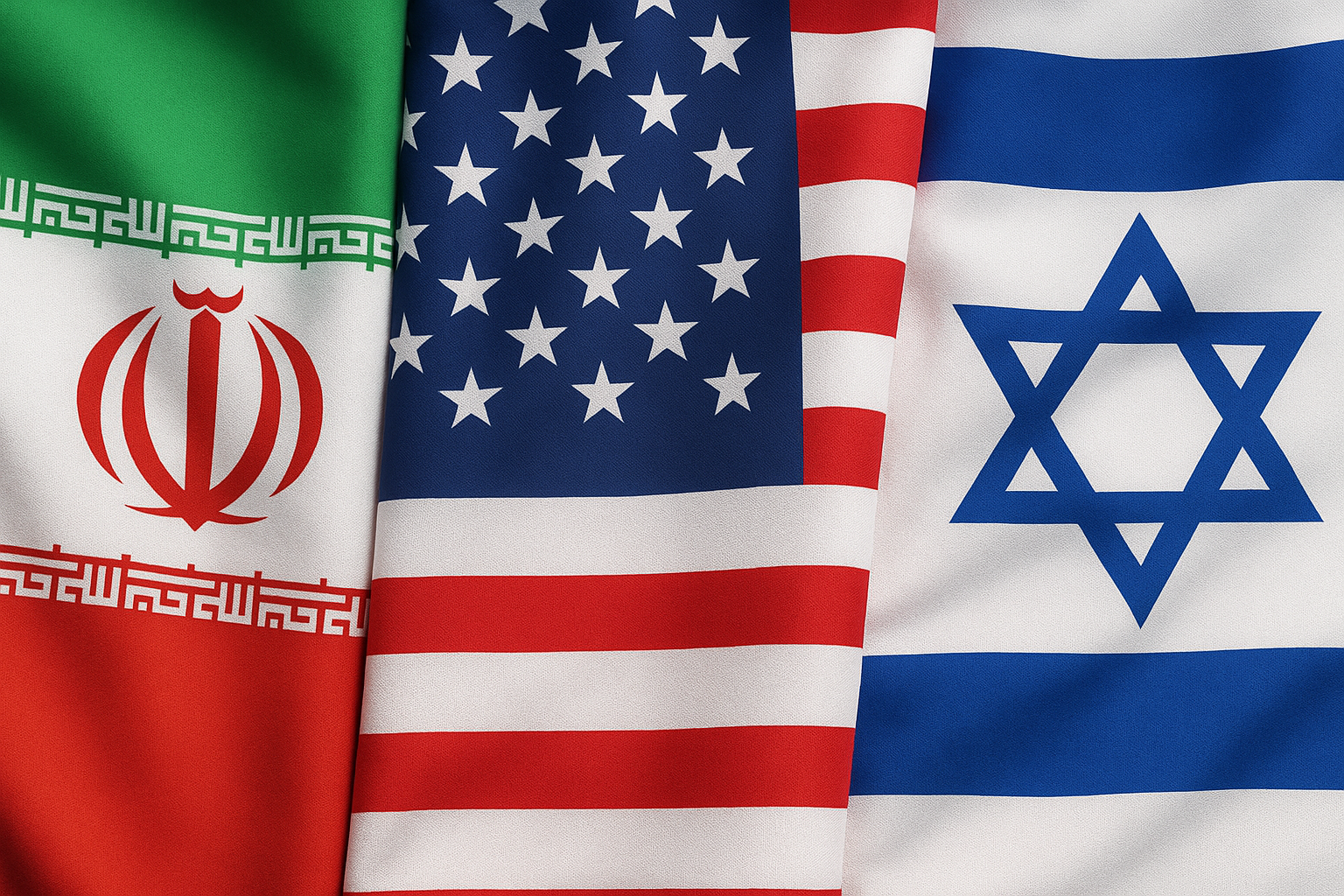
Major escalation triggers global concern – Tehran vows retaliation and insists nuclear program will continue
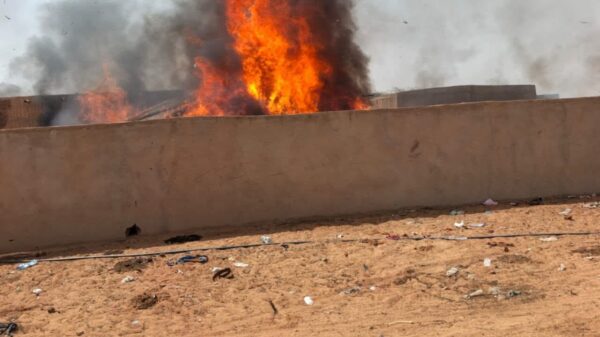
U.S. President Donald Trump announced that American forces carried out “highly successful” airstrikes on three major nuclear facilities in Iran—Fordow, Natanz, and Isfahan—claiming their complete destruction and warning of “stronger and easier” strikes if Tehran retaliates or refuses to seek peace.
The move, which comes nine days after the launch of Israel’s air campaign, marks Washington’s official entry into the conflict with Iran, drawing sharp international reactions and fears of broader regional escalation.
In a televised address from the White House, Trump called the operation a “brilliant military success,” noting that all aircraft had returned safely. Earlier, he posted on his “Truth Social” platform that a “full bomb load” had targeted the underground Fordow site, with prior coordination with Israel.
Tehran: Retaliation underway, nuclear program unchanged
Despite the strikes, Iran’s Atomic Energy Organization stated that nuclear activities would continue “unchanged” and reported no radioactive leaks near the Fordow site. The Islamic Revolutionary Guard Corps later announced the launch of “suicide drones” toward Israeli targets.
President Masoud Pezeshkian vowed a “more devastating” response, insisting Iran would “not halt its nuclear program under any circumstances.”
Israel: Full coordination with the U.S. and emergency lockdown
Israeli Prime Minister Benjamin Netanyahu declared that “the promise to neutralize Iran’s nuclear threat has been fulfilled,” confirming full coordination with Washington. Israel closed its airspace and suspended non-essential activities, including schools and workplaces.
Global reactions: UN urges de-escalation
UN Secretary-General António Guterres warned of a “dangerous escalation in a region on the edge,” calling for restraint and emphasizing that “there is no military solution.”
In contrast, Hamas and Ansar Allah (Houthis) condemned the U.S. strikes as “blatant aggression against a sovereign state,” holding both Washington and Tel Aviv responsible for the consequences. The Houthis also threatened to target American ships in the Red Sea.
Background: Escalation since June 13
The U.S. strikes followed a wave of Israeli attacks launched on June 13 against Iranian nuclear infrastructure, amid growing allegations that Tehran was close to developing a nuclear weapon. The International Atomic Energy Agency confirmed that a centrifuge production site in Isfahan had been damaged.