

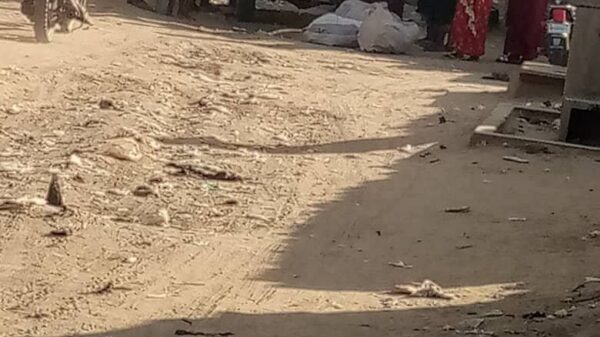







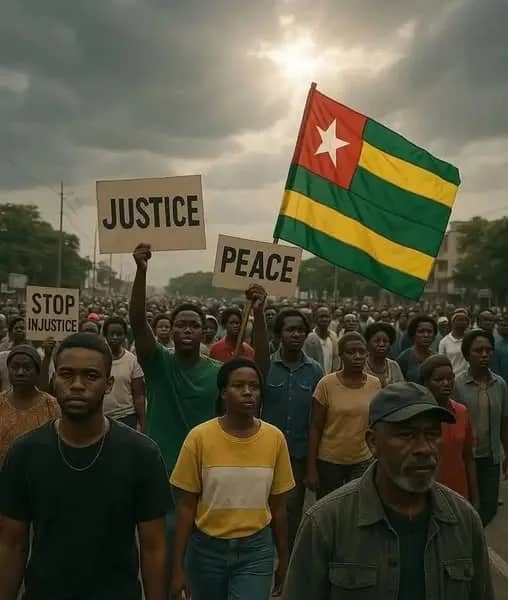
Popular protests continue in Togo against recent constitutional reforms passed by Parliament, which opponents accuse of entrenching the power of President Faure Gnassingbé, in office since 2005. The capital, Lomé, witnessed clashes between demonstrators and security forces, who used tear gas to disperse the crowds.
The opposition described the amendments as “high treason” and called for the president’s resignation, arguing that the reforms were enacted without a public referendum or national consensus, thus violating the people’s will.
The crisis dates back to April 2024, when the system shifted to a parliamentary regime, allowing Parliament to appoint Gnassingbé as President of the High Council of State.
The ruling party’s overwhelming parliamentary majority enabled it to push the reforms through with ease, while the opposition sees them as a move to prolong Gnassingbé’s rule after two decades in power.
The government, for its part, defended the reforms, claiming they aim to “strengthen national unity” and “institutionalize governance,” while accusing the opposition of inefficiency.
Activists have called for new demonstrations from June 26 to 28 and a civil disobedience campaign starting June 23, in a direct challenge to the regime.