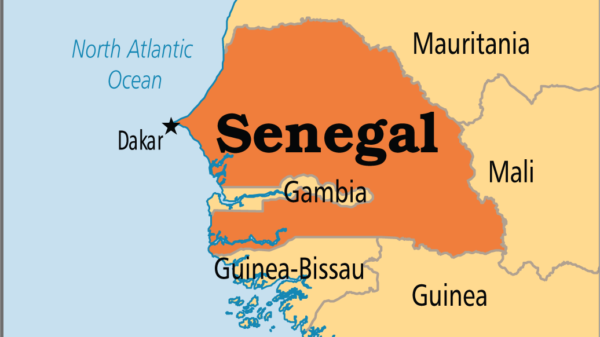







The African Sahel is undergoing a profound geopolitical shift, marked by the rise of Russian military presence, which has evolved from a marginal phenomenon into a central security pillar for countries like Mali, Burkina Faso, and Niger—following the withdrawal of French and international forces.
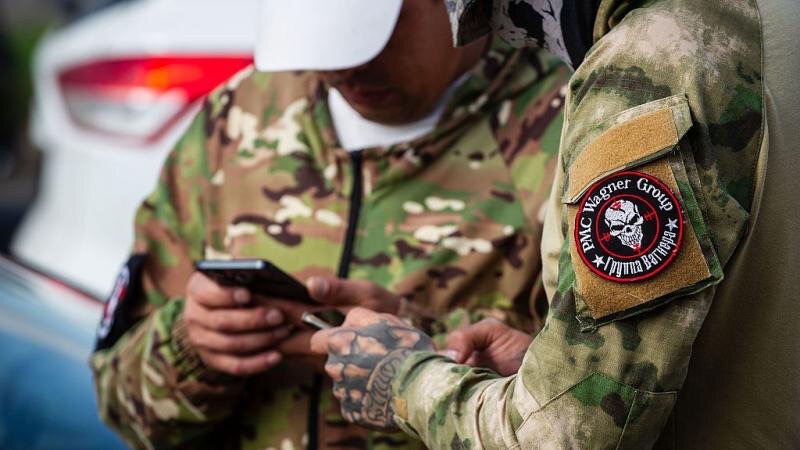
This expansion relies on unconventional instruments, most notably paramilitary groups such as Wagner and the “Africa Corps”, amid growing warnings over security fragility and intensifying global competition.
Historical Context and Russian Instruments
Russia’s penetration into the Sahel accelerated after 2020, in the wake of a series of military coups in Mali, Burkina Faso, and Niger, which led to the expulsion of French and UN forces.
Moscow seized this security vacuum as an opportunity to strengthen its influence through paramilitary groups like Wagner, offering military training and protection to ruling elites in exchange for mining contracts and economic concessions.
Following the death of its leader, Yevgeny Prigozhin, in 2023, these units were reorganized under the Russian Ministry of Defense’s “Africa Corps”, reflecting a move toward official state integration.
Russia also promotes a sovereignist diplomacy centered on anti-Western rhetoric, highlighting resistance to “neo-colonialism” and avoiding political conditions—an appealing approach for military regimes.
Additionally, Russia has been exporting weapons and building bases, such as in the Central African Republic, where it plans to host a base with 10,000 troops.
Security and Strategic Implications
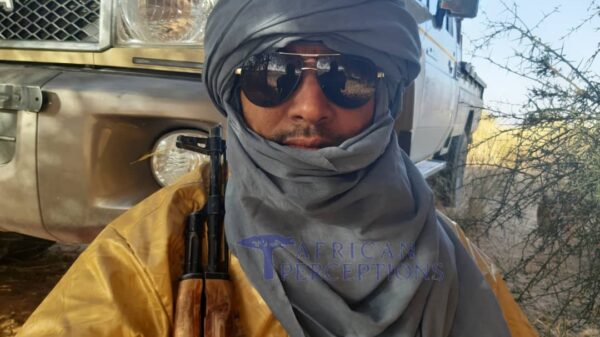
Despite Russian claims of success in counterterrorism, violence is on the rise. Armed groups like Jama’at Nusrat al-Islam wal-Muslimin (JNIM) have capitalized on Wagner’s withdrawal from Mali to make territorial gains.
Reliance on mercenaries has led to the erosion of local military capabilities. Reports indicate declining training standards within the Malian army and rising battlefield losses.
The Sahel is becoming an arena for indirect rivalry between Russia and the West, while new players like China seek to expand their security engagement through the Global Security Initiative.
Economic Interests and Criticism
Russia’s strategy hinges on resource exploitation. Mining contracts are granted to companies linked to Moscow in return for military support.
In Mali, authorities seized $200 million worth of gold from a Canadian firm, while French and Chinese companies face similar pressures.
These deals are widely criticized for failing to foster local development and instead deepening corruption and dependency.
The Future of Russia’s Presence
Russia aims to reinforce the “Africa Corps” as a structured successor to Wagner, focusing on training and weapons supply. Local governments seek to leverage this support to boost their legitimacy.
However, major challenges remain: declining Russian military capacity due to the war in Ukraine, risks to key logistical hubs—such as Syria—and rising public dissent, as seen in Burkina Faso, where Russian troops have been accused of abuses.
Russia’s presence represents a hybrid power model, blending militarization with political economy. While effective in undermining Western influence, it leaves behind a more fragile security environment and turns the region into an open battlefield for global rivalry.
Ultimately, Moscow may reassess its ambitions if the costs of African expansion outweigh the uncertain gains