



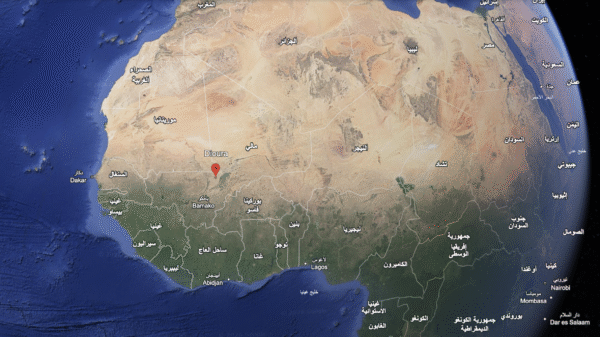





The African Sahel is undergoing profound geopolitical transformations as new actors compete for influence across one of the world’s most volatile regions. While international attention often focuses on Russian and Chinese activities in Africa, Turkey has quietly emerged as one of the fastest-growing strategic players in Mali, capitalizing on the security and political vacuum created by years of instability and successive military takeovers.
What began as a relationship driven by diplomacy, trade and development assistance has evolved into a comprehensive security and defense partnership, positioning Ankara as one of the most important external partners of Mali’s military-led government.
Security Challenges and Growing Doubts About Traditional Partners
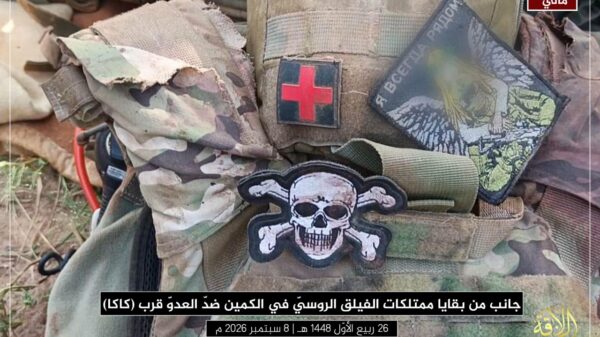
The coordinated attacks that struck Mali in the spring of 2026 marked a significant turning point in Bamako’s assessment of its security needs.
Simultaneous operations targeting strategic locations in Bamako, Kati and Gao demonstrated that armed groups retained the ability to launch sophisticated and coordinated attacks despite years of military campaigns.
These developments highlighted the limits of conventional counterinsurgency approaches and reinforced the need for advanced surveillance, intelligence and precision-strike capabilities.
Against this backdrop, Turkey increasingly appeared as a partner capable of providing modern military technology without many of the political and diplomatic constraints associated with Western or Russian security partnerships.
From Trade to Security: Building Influence Over Time
Turkey’s military expansion in Mali did not emerge overnight. It was built upon nearly two decades of growing economic and diplomatic engagement.
Since the early 2000s, Ankara has systematically expanded its presence across West Africa through diplomatic outreach, commercial partnerships and investment initiatives.
In Mali, relations accelerated after the opening of the Turkish Embassy in Bamako in 2010, followed by direct flights operated by Turkish Airlines and a series of high-level visits that strengthened political trust between the two countries.
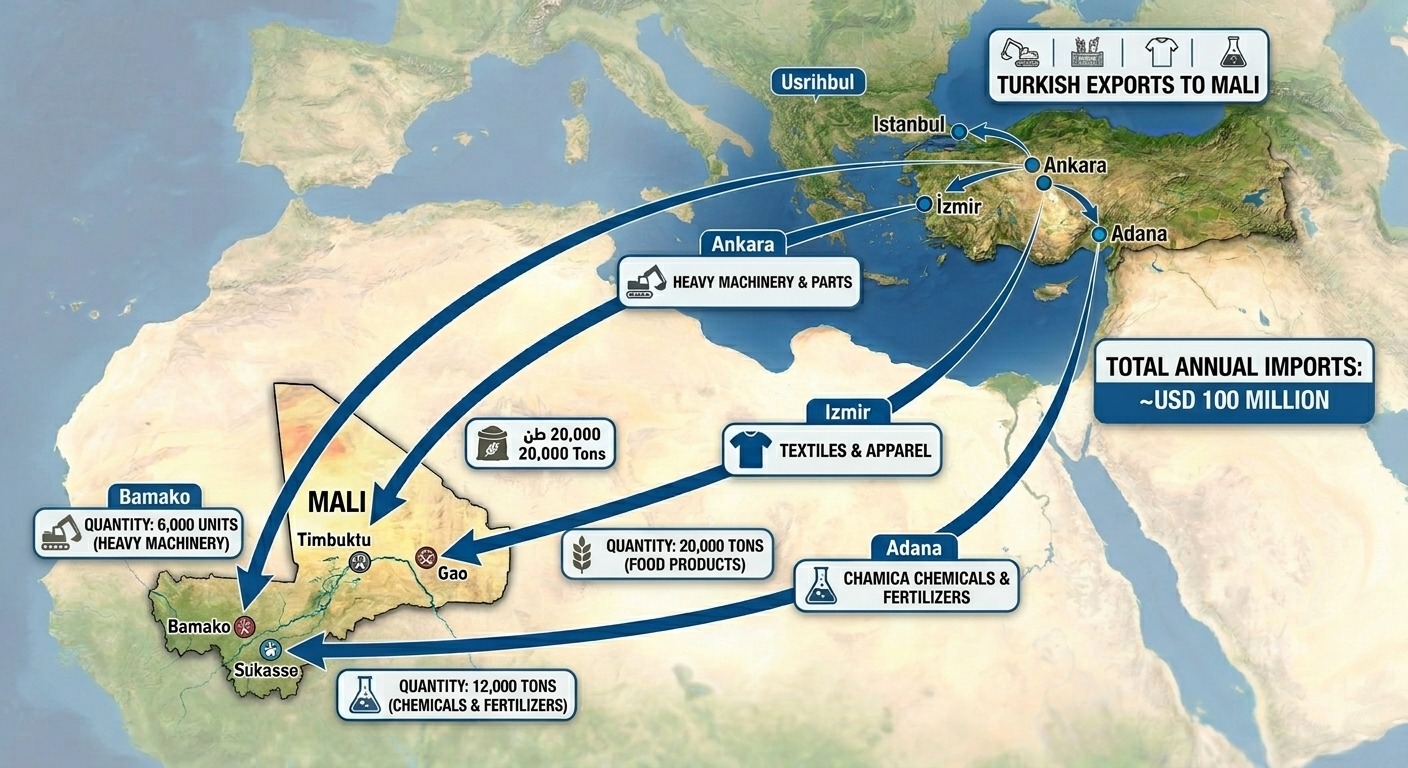
Within less than two decades, bilateral trade grew from modest levels to tens of millions of dollars annually, creating an economic foundation that later facilitated deeper defense and security cooperation.
Turkey Becomes a Leading Defense Supplier
In recent years, Turkey’s defense industry has emerged as one of the principal beneficiaries of Mali’s evolving security priorities.
As the Malian military sought affordable and effective equipment to address growing security threats, Turkish companies positioned themselves as providers of cost-effective systems adapted to the realities of counterinsurgency warfare.
Defense cooperation has expanded to include armored vehicles, surveillance systems, night-vision technology, mine-resistant equipment and military training programs.
This has gradually transformed Turkey into one of Mali’s most important defense partners at a time when Bamako is actively seeking to diversify its sources of military equipment and reduce dependence on any single supplier.
Bayraktar TB2: The Centerpiece of Mali’s New Military Strategy
The acquisition of Bayraktar TB2 unmanned aerial vehicles has become one of the most visible symbols of Mali’s evolving military doctrine.
In a country characterized by vast deserts, remote regions and limited infrastructure, drones provide surveillance and strike capabilities that are difficult to achieve through conventional means.
For Malian decision-makers, the attractiveness of the Bayraktar platform lies in its balance between operational effectiveness and affordability.
The drones can remain airborne for extended periods, conduct reconnaissance missions across vast territories and carry out precision strikes against mobile targets operating in difficult terrain.
As a result, drone warfare has become an increasingly important component of Mali’s efforts to improve situational awareness and expand state presence in remote areas.
A Different Model of Partnership
One of the key factors behind Turkey’s success in Mali is the way Ankara presents itself as an international partner.
Unlike France, whose presence remains associated with a complex colonial legacy, and unlike Russia, whose security role has generated growing controversy, Turkey promotes a narrative centered on partnership, technology transfer and mutual economic benefit.
Turkish defense products also offer African governments relatively affordable alternatives to more expensive Western systems, giving Ankara a significant competitive advantage.
For Mali, cooperation with Turkey extends beyond arms procurement to include broader engagement in infrastructure, training, commerce and long-term strategic cooperation.
Reshaping the Balance of Power in the Sahel
The rise of Turkish influence reflects a broader transformation in the geopolitical landscape of the Sahel.
The competition for influence is no longer limited to traditional powers that dominated the region for decades. As French influence declines and questions persist regarding the sustainability of Russian security engagement, Turkey has positioned itself as a flexible actor capable of combining soft power with military and technological capabilities.
This trend is unlikely to remain confined to Mali. Several governments across the Sahel and West Africa are closely monitoring Turkey’s approach, particularly in the fields of defense technology, drone warfare and security cooperation.
Conclusion
Recent developments suggest that Turkey has successfully transformed itself from a relatively modest economic partner into a significant security actor in the African Sahel.
As Mali continues to confront complex security challenges and seeks access to advanced military technology, Turkish influence appears likely to expand further in the years ahead.
In a region where alliances are rapidly evolving, the central question is no longer whether Turkey has become a major player in the Sahel, but how far Ankara will be able to convert its growing military and economic presence into long-term strategic influence capable of reshaping regional power dynamics.