






Pakistan has been rocked by widespread and volatile protests following the confirmed death of Iran’s Supreme Leader, Ali Khamenei, with authorities reporting at least 23 to 24 fatalities and more than 120 injuries as unrest spreads across major cities and sensitive regions.
According to local officials and international reporting, demonstrations that began as political and religious gatherings have increasingly turned violent, prompting emergency security measures and diplomatic alerts.
Casualties and Major Incidents
Karachi – 10 deaths
In Karachi, protesters breached the outer wall of the U.S. Consulate compound. Security forces responded with tear gas and, according to official reports, live ammunition to disperse the crowd, resulting in multiple deaths and injuries during chaotic clashes.
Skardu – 11–14 deaths
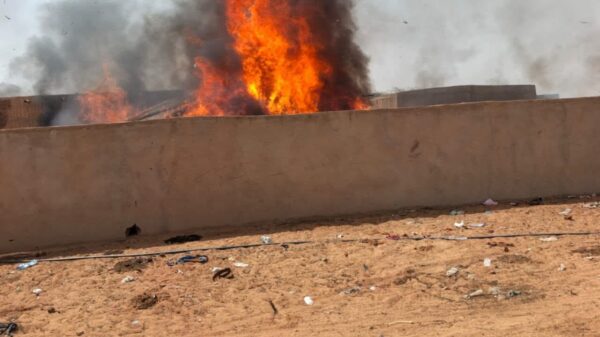
In Skardu, a United Nations office was set on fire. The UN confirmed that all personnel were safe despite the destruction of the facility. Local authorities reported the death of one soldier and several protesters during confrontations.
Islamabad – 2 deaths
In the capital, thousands attempted to march toward the diplomatic enclave known as the Red Zone. Security forces clashed with demonstrators, leaving at least two people dead and several injured.
Gilgit – 7 deaths
Officials reported additional fatalities during confrontations between demonstrators and security forces, further heightening tensions in the mountainous northern region.
Heightened Security and Diplomatic Measures
The U.S. Embassy in Islamabad and consulates in major cities suspended all visa and American Citizen Services appointments on Monday, March 2. A Worldwide Caution alert was issued, restricting the movement of U.S. government personnel.
In Gilgit-Baltistan, authorities imposed a three-day curfew and formally requested deployment of the Pakistan Army to restore order in Gilgit and Skardu.
Meanwhile, authorities in Punjab province and the federal capital enforced Section 144, banning public gatherings, rallies, and the carrying of weapons. Security has been significantly reinforced around diplomatic missions and Red Zone areas nationwide.
Government Response and Diplomatic Balancing
Prime Minister Shehbaz Sharif issued a statement expressing “sincere condolences” to Iran, describing the targeting of a head of state as a violation of international norms and international law.
At the same time, Sharif held talks with Saudi Crown Prince Mohammed bin Salman to reaffirm solidarity with Gulf states.
Pakistan maintains close religious and border ties with Iran while also holding strategic defense and economic relations with Saudi Arabia, placing Islamabad in a complex geopolitical position amid regional turmoil.
International Missions on High Alert
The United Nations confirmed that all staff members were safe despite the destruction of its Skardu office. International diplomatic missions across Pakistan have heightened security protocols, and movement restrictions remain in effect in several high-risk areas.
A Nation Under Strain
The unrest represents one of Pakistan’s most serious internal security crises in recent years. With curfews, military deployment, and diplomatic alerts now in place, authorities face growing pressure to restore order while carefully balancing sensitive regional relationships.
Security analysts warn that further escalation could strain Pakistan’s internal stability and complicate its foreign policy at a time of heightened tensions across the broader Middle East.