











The confrontation involving the United States Israel and Iran has entered a highly volatile phase with intensifying strikes and expanding political and security consequences raising fears of a broader regional war.
Reports indicate that a senior Iranian national security figure was killed in an airstrike along with a key paramilitary commander in developments seen as weakening Iran’s command structure at a critical moment.
Analysts say the near simultaneous loss of senior leadership could disrupt decision making and operational coordination as the conflict escalates.
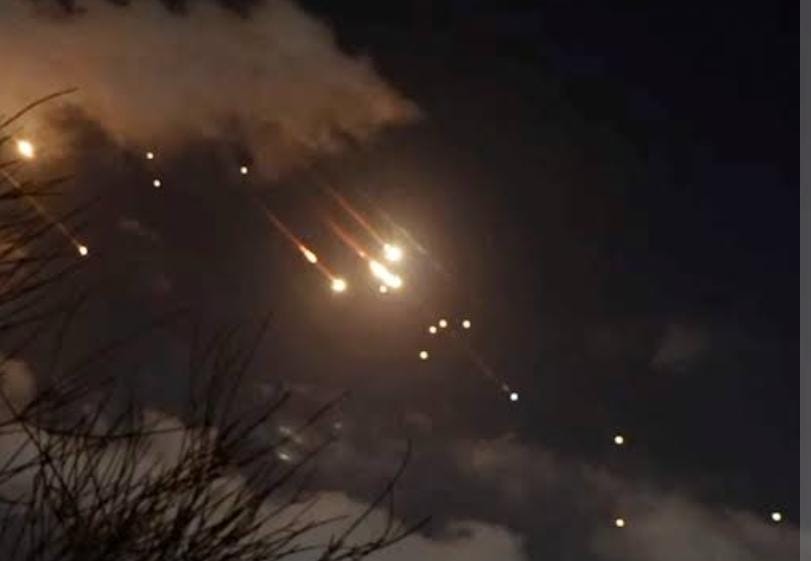
In response Iran launched a wave of missiles targeting areas inside Israel resulting in civilian casualties and infrastructure damage while air defence systems intercepted several incoming projectiles.
The escalation has spread across the Gulf with multiple states reporting interceptions of drones and missiles highlighting the widening geographical scope of the confrontation.
Concerns have also risen after a projectile struck near a nuclear facility although no radiation leak or structural damage was reported underscoring the sensitivity of the situation.
Inside Iran the developments coincide with ongoing political adjustments at the top of the leadership structure adding complexity amid mounting military pressure.
Globally concerns over energy markets are increasing as tensions affect critical maritime routes and push oil prices higher reflecting the broader economic impact.
In the United States signs of internal dissent have emerged regarding the military engagement raising questions about the long term trajectory of the conflict.
Observers warn that continued military exchanges without a clear diplomatic track could push the region toward a wider confrontation as international pressure mounts to contain the escalation.