











A dramatic and unprecedented military escalation unfolded early Saturday as the United States and Israel launched coordinated strikes inside Iran, targeting military, intelligence, and nuclear-linked facilities. The operation represents one of the most serious confrontations between the three parties in decades and has sent shockwaves across the Middle East.
The Military Operation
According to U.S., Israeli, and international media reports, the joint strikes were conducted under the code names “Operation Shield of Judah” by the United States and “Operation Roaring Lion” by Israel.
Targeted Cities and Strategic Sites
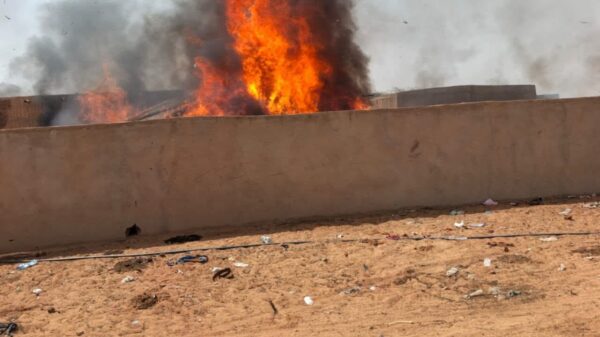
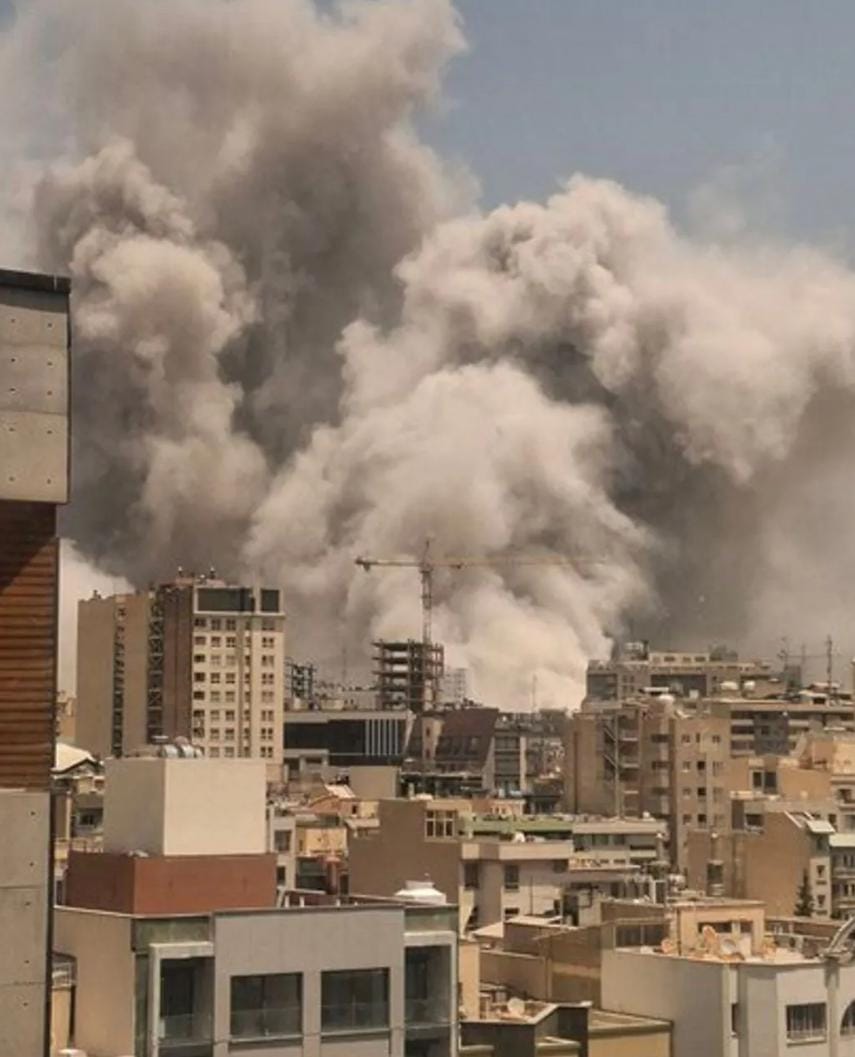
Large explosions were reported in several locations, including Tehran — particularly near University Street and the Jomhouri district — as well as Qom, Isfahan, Kermanshah, and Karaj.
Preliminary information indicates that the strikes targeted Iran’s Ministry of Defense, the Ministry of Intelligence, and facilities linked to the Atomic Energy Organization of Iran.
U.S. President Donald Trump confirmed that the United States had initiated “major combat operations” aimed at neutralizing what he described as “imminent threats” related to Iran’s nuclear activities.
A senior U.S. official told Reuters that the operations are being conducted using both air and naval assets, indicating a coordinated multi-domain assault.
Immediate Security Measures
The region entered a state of maximum alert following the strikes.
Airspace Closures
Civil aviation has been suspended across multiple countries, with Iran, Israel, and Iraq closing their national airspace. Commercial flights across the region are being diverted or canceled.
State of Emergency in Israel
Israeli Defense Minister Israel Katz declared a nationwide state of emergency, warning of a “high probability” of Iranian retaliation. The Home Front Command has been placed on full alert.
Iranian Leadership and Communication Disruptions
Iranian state media reported that Supreme Leader Ali Khamenei was moved to a secure location outside Tehran.
Meanwhile, residents in parts of the capital reported major disruptions to mobile and internet services, raising concerns about information flow and emergency response.
Diplomatic Breakdown and Strategic Context
The escalation follows a week of intense diplomatic tensions.
Failed Nuclear Talks
Indirect negotiations held in Switzerland earlier this week reportedly collapsed without progress, further straining already fragile diplomatic channels.
U.S. Military Buildup
In recent weeks, Washington deployed its largest military presence in the Middle East since 2003, including multiple carrier strike groups positioned strategically across regional waters.
Retaliation Warning
An Iranian official told Reuters that Tehran is preparing a “crushing” response.
The United Nations Secretary-General had previously called for “maximum restraint,” but rapidly evolving military developments appear to have overtaken those appeals.
Current Status
Iran: Airspace closed and retaliatory measures reportedly underway
Israel: Nationwide state of emergency and heightened military readiness
United States: Conducting major combat operations via air and naval forces
Iraq: National airspace closed
Regional and Global Implications
Analysts warn that the confrontation could expand into a broader regional conflict involving allied states and proxy forces. Oil markets, global aviation routes, and diplomatic relations are expected to face immediate volatility.
As of publication, no official casualty figures have been released.
The coming hours — particularly Iran’s response — are expected to determine whether the crisis escalates into a prolonged regional war or opens a narrow window for renewed diplomacy.