






Burkina Faso is entering a sensitive new phase in its political and security trajectory, as the military-led government extends its security measures beyond political opponents and civil society activists to include Islamic religious figures and organizations.
The suspension of Islamic associations, the arrest of a prominent imam in Ouagadougou, and the reported use of forced recruitment against protesters have raised concerns among observers who fear that the country’s security-centered approach may deepen social tensions rather than reduce them.
Suspension of Islamic Associations
Authorities recently suspended the activities of the Coordination of Muslim Youth of Burkina Faso and the Association for Peace for a period of three months, arguing that the move was necessary to preserve public order and national security.
Government officials believe that some youth and religious networks have evolved beyond their traditional educational and charitable roles and have become platforms through which dissatisfaction with deteriorating security and economic conditions can be expressed and organized.
For the military authorities, preventing the emergence of alternative centers of influence has become an important component of maintaining political stability during a period marked by persistent insurgent violence.
Arrest of a Prominent Imam
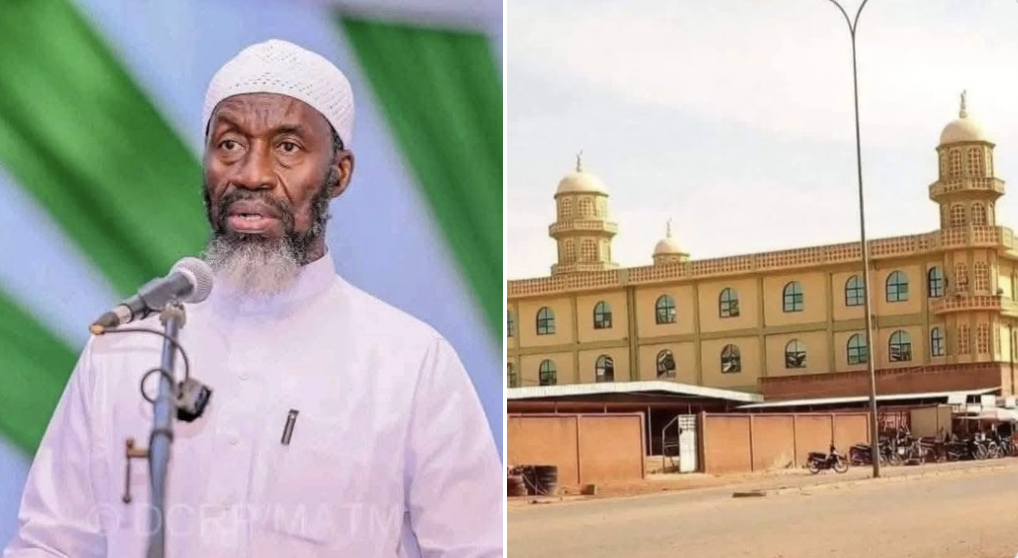
The arrest of the imam of the Grand Mosque in Ouagadougou has generated significant public debate due to his influence and standing within Burkina Faso’s Muslim community.
Observers link the arrest to sermons and public remarks that allegedly questioned the effectiveness of a purely military response to the country’s security crisis and expressed concern over restrictions on civil liberties and the impact of military operations on civilians.
Many analysts view the incident as part of a broader effort to ensure that major religious institutions align closely with the government’s narrative regarding the ongoing conflict.
Forced Recruitment as a Deterrent
One of the most controversial allegations concerns the use of compulsory recruitment against individuals participating in protests or solidarity demonstrations.
According to local reports, some protesters have been detained and subsequently incorporated into the Volunteers for the Defense of the Homeland (VDP) program or deployed to conflict-affected areas in northern and eastern Burkina Faso.
Critics argue that such practices transform military service from a voluntary act of national defense into a punitive measure aimed at discouraging public dissent.
If confirmed, this approach risks increasing resentment among affected communities and further straining relations between citizens and the state.
Concerns Over Extremist Exploitation
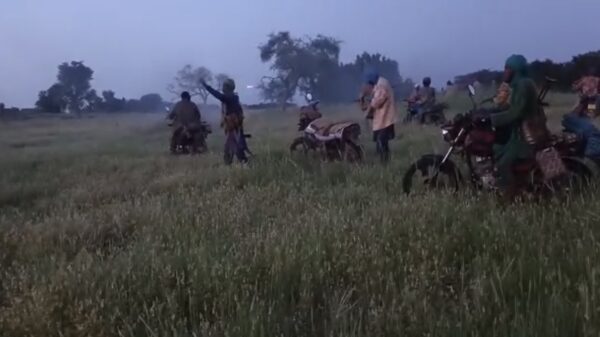
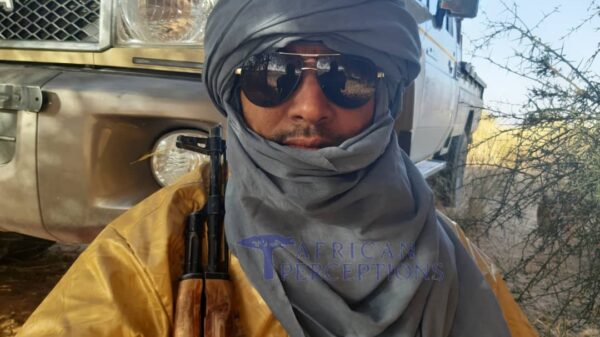
Security experts warn that increased pressure on moderate Islamic organizations and religious leaders could inadvertently benefit jihadist groups operating across the Sahel.
Organizations such as Jama’at Nasr al-Islam wal-Muslimin (JNIM) and the Islamic State affiliate in the Sahel have long relied on narratives portraying governments as hostile to Islam and Muslim communities.
Restrictions on religious organizations and the detention of respected clerics may provide these groups with additional propaganda opportunities, enabling them to recruit among frustrated and disillusioned youth.
The suspension of community-based Islamic associations may also create social and educational gaps that extremist groups could seek to exploit.
Security Versus Social Cohesion
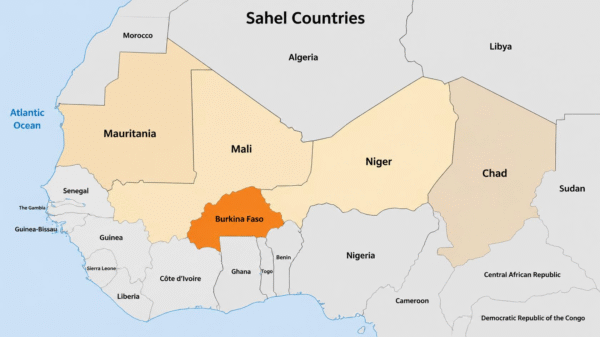
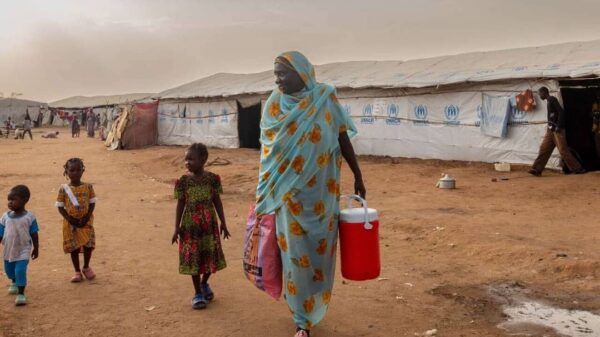
Burkina Faso remains at the center of one of West Africa’s most challenging security crises. Armed groups continue to operate across large areas of the country, while millions of people face displacement, insecurity, and limited access to essential services.
However, analysts caution that expanding security measures to encompass religious institutions carries significant risks. While governments have a legitimate responsibility to maintain public order, alienating influential religious actors could weaken social cohesion at a time when national unity is essential.
Long-term stability, many experts argue, will depend not only on military victories but also on preserving trust between the state, communities, and religious leaders.
Conclusion
The latest developments highlight the delicate balance Burkina Faso faces between ensuring security and preserving civic and religious freedoms.
As the military government intensifies its efforts to confront insurgent threats, the challenge will be to avoid policies that could deepen grievances, strengthen extremist narratives, and undermine the very social foundations needed to achieve lasting peace and stability.