











The United States has initiated a maritime blockade targeting Iranian ports and coastal areas, marking a major escalation in tensions with Tehran following the collapse of nuclear negotiations.
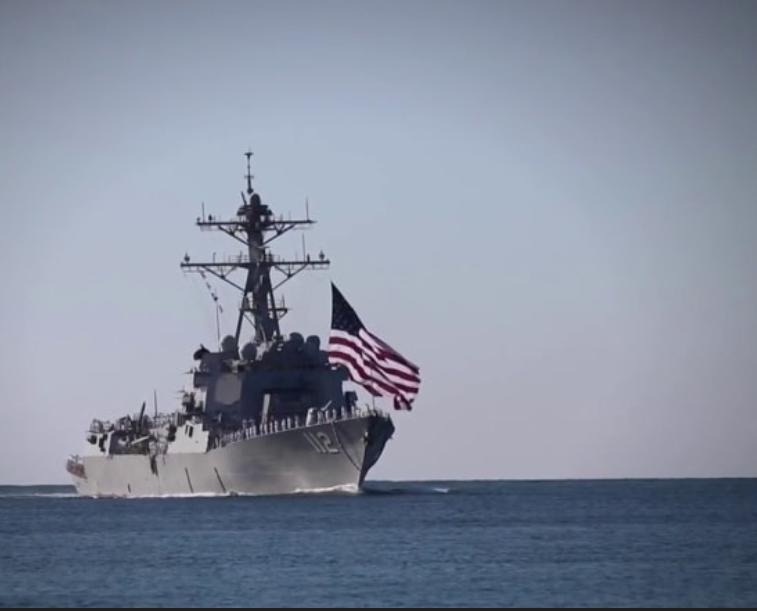
U.S. Central Command said the blockade applies to all vessels, regardless of nationality, entering or leaving Iranian ports along the Gulf and the Gulf of Oman, as part of an effort to isolate Iran’s maritime activity while limiting disruption to global shipping.
Washington emphasized that freedom of navigation through the Strait of Hormuz will remain in place for vessels heading to non-Iranian ports, in an attempt to safeguard global trade flows and avoid a full shutdown of a critical energy corridor.
Authorities instructed mariners to monitor official navigation alerts and maintain communication with U.S. naval forces while operating in the Gulf of Oman and surrounding waters.
The move follows the breakdown of high-level talks between the United States and Iran, which ended without agreement amid continued disputes over Tehran’s nuclear program.
U.S. officials defended the blockade as a necessary economic and strategic pressure tool, noting that naval forces are prepared to interdict vessels suspected of financially supporting Iran through port access or transit payments. Washington also signaled plans to conduct mine-clearing operations in the Strait of Hormuz.
Iran’s Islamic Revolutionary Guard Corps condemned the action, describing it as “piracy” and warning that any military approach toward Iranian-controlled waters would be considered a violation of the ceasefire and could trigger retaliation.
The announcement pushed oil prices higher, as markets reacted to concerns over potential disruptions in the Strait of Hormuz, through which roughly 20% of global oil and gas supplies pass. Analysts warned of continued volatility in energy markets.
Observers say the coming days will be critical in determining whether the situation stabilizes through diplomatic channels or escalates into a broader regional confrontation.